




African Culture and Traditions
Mbom Uzo || An Age-Old Obowo Festival

Mbom Uzo is an ancient traditional festival of the Obowo people of Imo State, Nigeria. This cultural and spiritual event celebrates cleansing, unity and renewal before the farming season. Discover its origin, significance, and unique community performances.

In the quiet villages of Obowo in Imo State, Nigeria, a deep sense of renewal fills the air each year as men, women and children prepare for Mbom Uzo, the ancient “clearing of the path” festival. Long before the rains arrive and farming begins, the people gather in unity to cleanse their roads, reconcile with one another and purify the land.
It is a time when the physical act of clearing paths becomes a sacred ritual. A symbol of preparing the way for prosperity, peace and divine blessings.
Mbom Uzo is more than a cultural celebration. It is a living bridge between the spiritual and earthly worlds, between the ancestors and the living, and between one farming season and the next. Every song, drumbeat and prayer carries centuries of meaning, reminding the people that life itself must be kept pure and orderly, just as the roads must remain open and clean.
For the people of Obowo and neighbouring communities like Ihitte/Uboma and Nsu, this festival is a declaration of identity and faith. A reaffirmation of their bond with the land that sustains them.
Even in a fast-changing world, Mbom Uzo continues to echo the wisdom of their forebears that a community that clears its path together, prospers together.
Meaning of Mbom Uzo
The term “Mbom Uzo” comes from the Obowo dialect of Igbo and literally means “clearing or preparing the road.” At face value, it may appear to describe a simple act of community labour, of people coming together to weed paths and tidy the environment. But to the people of Obowo, it carries a deeper, spiritual and social meaning that goes far beyond physical cleaning.
In Obowo tradition, the uzo represents more than a pathway for movement. It symbolizes thejourney of life, the connection between the living and the ancestors and the link through which blessings, health and fortune travel. To “clear the road,” therefore, is to make way for good fortune, to remove obstacles that could block progress, and to ensure harmony between the visible and invisible worlds.
During Mbom Uzo, the people believe that weeds and debris on the road are not just physical obstructions but spiritual barriers that can affect the well-being of the land and its people. Clearing them is a form of purification. A collective prayer for peace, fruitful harvests and renewed strength.
The festival also reinforces community unity. Every household, age grade and family contributes to the exercise, reflecting the belief that no one person’s progress is complete without the cooperation of others. When the people clear the road together, they are symbolically clearing their hearts of grudges and misunderstandings, preparing the community for a new season of togetherness and growth.
This way, Mbom Uzo is both practical and sacred. It keeps the environment clean while purifying the spirit of the people. It is a moment of reflection, renewal and reconnection with the values that hold Obowo society together which are unity, hard work and respect for the ancestors who first cleared the paths of life.
Origins and Historical Overview

Mbom Uzo festival is one of the oldest and most respected traditions in Obowo, a region in Imo State known for its strong cultural identity and deep ancestral ties. Its origin dates back centuries, to a time when Obowo people lived in close harmony with nature and relied heavily on the land for their survival. Farming was the central activity of life, and the community believed that maintaining cleanliness and order in both physical and spiritual spaces was vital for a successful planting season.
According to oral history passed down through generations, Mbom Uzo began as a communal exercise to clear pathways leading to farmlands, streams, shrines and marketplaces. These paths were not merely routes for travel. They represented the community’s lifelines.
The roads through which people connected with their ancestors, the gods of the land, and one another. Before any major season of planting, it was customary to cleanse these roads to ensure that both human and spiritual journeys would be smooth and unblocked.
Elders in Obowo recount that the first Mbom Uzo was instituted after a period of misfortune characterized with poor harvests, sickness and quarrels among clans. The community consulted diviners who revealed that the land had become “clogged” with spiritual impurities.
The solution was simple yet, profound: the people had to cleanse their paths, both physically and symbolically, to restore balance between the living and the unseen forces that governed fertility and peace.
From that time, the annual ritual of road clearing became a sacred covenant between the people, their ancestors and the earth. Each year, before planting season, the community would gather with cutlasses, hoes and brooms to open up the paths, while elders poured libations and offered prayers of renewal. What started as a practical act of maintenance evolved into a spiritual ceremony of purification, thanksgiving, and renewal, the heart of what is now celebrated as Mbom Uzo.
Historically, the festival also played an important social function. It was a time when disputes were settled, estranged families reconciled, and age grades competed in friendly rivalry to prove their commitment to the community. It reinforced respect for elders, the value of collective labour, and the idea that the road each person walks in life is only clear when the entire community walks in peace.
Over the centuries, Mbom Uzo has retained its sacred essence even as society has changed. Though modern roads and technology have altered village life, the spirit of the festival remains the same. It is a reminder that before progress can flourish, the paths of life must first be cleared of disorder, conflict and impurity. It is this timeless wisdom that keeps Mbom Uzo alive in the hearts of the Obowo people today.
Cultural Significance of Mbom Uzo to Ngwa People
Mbom Uzo festival holds deep cultural meaning for the people of Obowo as it serves as both a spiritual and social compass that guides the community’s rhythm of life. Beyond being an annual celebration, it reflects the Obowo worldview that cleanliness, unity and respect for tradition are key to sustaining peace and prosperity.
At its core, the festival represents the renewal of the bond between humans, the land and the spirit world. The act of clearing roads and paths is not just about physical tidiness, it symbolizes removing obstacles that hinder progress in personal and communal life.
It is believed that when the roads are clean, blessings, good harvests and harmony can freely flow into the community. This makes Mbom Uzo both a thanksgiving and a prayer for a fruitful year ahead.
The festival also reinforces community identity and unity. Every clan, age grade and household takes part in the event as a reminder to everyone that no one stands alone in the affairs of the community. The cooperative spirit that emerges from working together strengthens social ties and helps resolve lingering disputes. It is a cultural mechanism for healing – a time when forgiveness is extended and friendships renewed.
Mbom Uzo equally preserves the Obowo people’s moral and ancestral values. Elders use the occasion to teach younger generations about the importance of diligence, respect for elders and communal responsibility. Through songs, drumming and storytelling, age-old lessons about honesty, hard work and respect for the earth are passed down, ensuring that the cultural heritage of Obowo does not fade with time.
In addition, the festival plays a symbolic role in agricultural life. Since it precedes the planting season, it is viewed as a ritual of preparation and purification. A way of inviting fertility and abundance. The cleared paths signify open channels for divine favour, while the offerings made to the deities and ancestors express gratitude and hope for a bountiful harvest.
Socially, Mbom Uzo provides a sense of belonging and pride. It is a period when the sons and daughters of Obowo, including those living in cities or abroad return home to celebrate their roots. The festival rekindles the sense of shared heritage and reminds every Obowo person that their progress is tied to the well-being of their land and people.
Ultimately, Mbom Uzo embodies what it means to be Obowo – a people deeply connected to their environment, their ancestors and one another. It is not just a festival of cleaning paths but a celebration of life, unity and continuity, reaffirming that the strength of the community lies in its collective spirit.
Spiritual Significance and Cosmology

The spiritual dimension of Mbom Uzo is the deepest layer of its meaning and the reason it has endured through generations in Obowo. To the people, the festival is not merely a social or agricultural event but a sacred communion between the living, the ancestors and the divine forces that govern nature and human destiny. It is rooted in the belief that spiritual harmony ensures peace, health, and prosperity for the entire community.
In the traditional Obowo worldview, the world is divided into two realms: the visible world of humans and the invisible world of spirits and ancestors. These two realms are believed to coexist and influence each other. Mbom Uzo serves as the bridge that keeps this balance intact. The clearing of roads and pathways is symbolic of opening spiritual routes so that blessings, fertility and protection can reach the people unhindered.
The festival also functions as a spiritual cleansing ritual. It is believed that as bushes and debris are removed from the roads, unseen negative energies, misfortunes and ancestral displeasures are also cleared away. This act of purification prepares the land and the people for new beginnings, much like washing away the remnants of the past to make room for renewal.
In many villages, elders and priests offer prayers and libations to the earth goddess and local deities, asking them to sanctify the community and forgive any transgressions committed during the year.
Ancestral veneration plays a central role in this cosmology. During Mbom Uzo, ancestors are invoked and honoured as the spiritual guardians of the land. Offerings of kola nut, palm wine and native fowl are presented at family shrines or community altars, acknowledging the ancestors’ continued influence over the fortunes of the living. The people believe that when the ancestors are pleased, they intercede on behalf of their descendants, ensuring peace and fertility throughout the year.
The festival’s spiritual ceremonies also affirm the unity between humans and nature. Obowo people regard the earth as a living entity deserving of care and respect. Hence, cleaning the roads and paths symbolizes an act of reverence to Ala, the earth goddess, who is seen as the ultimate custodian of morality, fertility and justice. Any act of pollution or neglect toward the land is considered an offense against Ala, and Mbom Uzo serves as an opportunity to seek her cleansing and blessings.
In addition, Mbom Uzo highlights the cyclical rhythm of life and time in Igbo cosmology. The festival marks the transition from one phase of the agricultural and spiritual calendar to another. It is both an end and a beginning, the closing of one year’s struggles and the welcoming of new possibilities. Through prayers, songs and rituals, the people reaffirm their faith in the unseen forces that guide existence, ensuring that every household begins the new season on a purified and hopeful note.
In essence, the spiritual significance of Mbom Uzo lies in its role as a ritual of renewal and reconnection. It reminds the people of Obowo that their well-being depends not only on physical effort but also on maintaining right relationships with the ancestors, deities, and the earth itself.
Through Mbom Uzo, the spiritual heartbeat of the community is refreshed, allowing the people to live in peace with both the seen and unseen worlds.
Typical Mbom Uzo Ceremonies and Stages
The Mbom Uzo festival in Obowo unfolds in a well-structured sequence of activities that combine spirituality, communal work and cultural expression. Each stage serves a symbolic purpose and contributes to the festival’s overall goal of renewal, purification and unity. While variations exist among different villages in Obowo, the sequence of events generally follows a shared cultural pattern that binds the people together in rhythm and spirit.
The first stage is the announcement of the festival, usually made by the village elders or traditional rulers after consulting the calendar and community priests. The chosen date often aligns with the end of the farming season or the beginning of the planting period. This timing is deliberate, symbolizing the transition from one agricultural cycle to another, and the need to prepare both the land and the people for a new year of blessings.
Before the main day, families engage in general cleaning and preparation. Paths leading to family compounds, markets and village squares are cleared of grass and debris. This communal clearing, which gives the festival its name reflects the belief that physical cleanliness mirrors spiritual purity.
In some villages, young men lead this exercise while women tidy up compounds and public spaces. Every household participates, for failing to do so is often seen as a sign of disregard for community unity and ancestral respect.
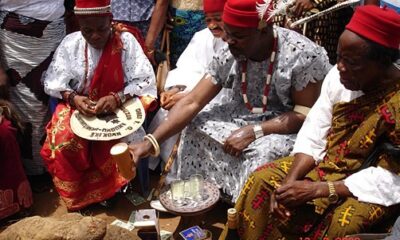
On the morning of the main day, the community gathers at designated shrines or village squares for the opening rites. The traditional priest or eldest man in the village offers prayers and libations to the ancestors and deities, invoking peace, fertility and prosperity for the coming season.
Offerings of kola nuts, palm wine and sometimes, native fowl are made to the earth goddess and the spirits of the land. These rituals are conducted in solemn silence, with moments of drumming or song to signify the presence of spiritual forces.
After the prayers, a symbolic procession takes place. This may include age grades, titled men and community leaders walking through the freshly cleared roads, carrying palm fronds and singing ancestral songs. The procession signifies the opening of pathways for blessings and the renewal of communal life. In some areas, masquerades appear at this stage to dramatize the victory of light over darkness and purity over pollution.
Later in the day, the festival transitions into a period of music, dance and social bonding. Drummers and flutists fill the air with traditional rhythms as young people perform dances that express joy and gratitude. Families exchange visits, share food and palm wine and settle old disagreements. This atmosphere of reconciliation and togetherness reinforces the values of unity and cooperation that the festival upholds.
As evening falls, the closing rituals are performed. These may involve final prayers or chants, during which the priest blesses the people and the land, declaring that all obstacles have been removed and that the way forward is now open. Some communities light symbolic fires or strike traditional gongs to mark the end of the ceremonies, signaling the beginning of a new phase of life and work.
Each of these stages, from preparation to celebration is rich in symbolism. The clearing of paths represents the removal of hindrances, the prayers connect the community to the spiritual world, and the dances celebrate life and renewal.
Together, they form a cycle of continuity that keeps the people of Obowo spiritually grounded, culturally united and socially refreshed year after year.
Community Performances
The festive mood of Mbom Uzo reaches its height in the lively community performances that bring together sound, movement and artistry. Music, dance and masquerades form the expressive heart of the celebration, transforming the ritual of purification into a shared experience of joy, identity and creativity. These performances are not mere entertainment but living expressions of Obowo’s history, spirituality and communal values.
Music plays a central role throughout the festival. Traditional drummers and flutists set the tone with rhythmic beats that echo through the villages. The talking drum, wooden slit gong and local percussion instruments provide steady rhythms that guide both the dancers and the masquerades. Songs performed during Mbom Uzo are often composed in praise of the ancestors, the earth goddess and the community’s heroes. Some songs carry moral messages, reminding people of the importance of unity, hard work and moral discipline. Others express pure joy and gratitude for life, fertility and peace.
Dance is another vital element that binds people emotionally and spiritually. Every age group and social class participates in the dancing, though each has its unique style. Women perform graceful movements that symbolize fertility, prosperity and family harmony, while men display energetic and bold steps that convey strength, courage and protection.
These dances are performed in groups, forming a circle or line that reflects the unity and equality of the participants. The synchronization of movements mirrors the shared rhythm of community life, a reminder that harmony within the group ensures prosperity for all.
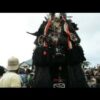
Masquerades add depth and spectacle to the Mbom Uzo celebrations. Known locally as “Mmanwu,” they are considered the physical manifestation of ancestral spirits. Their appearance during the festival signifies the presence and approval of the ancestors. Each masquerade has its unique costume, dance pattern and symbolic message.
Some masquerades entertain with acrobatics and humour while others play more sacred roles, performing rituals of blessing or purification. The sight of the masquerades, accompanied by drummers and singers creates an atmosphere of awe and excitement that captures the festival’s spiritual intensity.
The masquerade performances also serve as social commentary. Through songs, gestures and satire, the masked dancers may indirectly address issues within the community such as laziness, dishonesty, or disunity, reminding the people of their moral obligations. This creative form of social correction reinforces the idea that the festival is not only a celebration but also a time for reflection and self-improvement.
Beyond their spiritual and moral messages, these community performances strengthen bonds among the people. Neighbours gather to sing, clap and cheer as performers display their talents. The collective participation blurs social boundaries, bringing together the old and young, the rich and poor, and even visitors from nearby towns. It is a moment of shared humanity and cultural pride that transcends everyday divisions.
Through its music, dance and masquerades, Mbom Uzo becomes a living museum of Obowo identity. Each drumbeat and dance step tells a story of continuity, resilience and joy. These performances ensure that the values, artistry and spirituality of Obowo people are not lost to time but passed on vibrantly from one generation to the next.
Mbom Uzo Today
Over the years, Mbom Uzo has evolved from a purely traditional ritual into a cultural celebration that balances ancestral practices with contemporary life. While the core spiritual and communal principles remain intact, the festival has adapted to modern realities, ensuring that it continues to resonate with both residents and the Obowo diaspora.
One major area of change is the integration of modern beliefs alongside traditional customs. With the widespread influence of Christianity and other faiths, some of the older rituals and sacrifices have been simplified or replaced with prayers and thanksgiving ceremonies.
However, this adaptation has not diminished the festival’s essence. The act of clearing paths, offering libations and honoring ancestors continues to symbolize renewal, purification and unity, showing that tradition can coexist with evolving faith practices.
Mbom Uzo has also expanded in scope as communities seek to showcase their culture to a wider audience. Local governments, cultural organizations and tourism boards now recognize the festival as a potential avenue for economic growth, attracting visitors who come to experience its unique music, dance, and masquerade displays. Schools, youth groups and community associations are increasingly involved, helping younger generations learn the history, values and artistry embedded in the festival.
The festival also serves as a homecoming event for Obowo sons and daughters living in cities or abroad. For them, Mbom Uzo is an opportunity to reconnect with their roots, participate in communal labour and contribute to local development projects. This return fosters a sense of belonging and pride, reinforcing the bonds between individuals and their ancestral land.
Despite these changes, the essence of Mbom Uzo remains the same. Physical road clearing, spiritual cleansing, feasting, and communal gatherings continue to define the festival. The forms may have modernized, with enhanced performances, organized competitions, or media coverage, but the purpose which includes fostering community unity, honouring ancestors and preparing the land and people for a prosperous season still endures.
Mbom Uzo today is a story of resilience and adaptation. It shows that culture is not static but alive, capable of growing while maintaining its core identity. Through continuity and change, the festival continues to inspire communal solidarity, spiritual mindfulness and cultural pride among the people of Obowo, ensuring that this age-old tradition remains a guiding force for generations to come.
The Wider Relevance of Mbom Uzo
While Mbom Uzo is deeply rooted in the communities of Obowo, its significance extends far beyond the local context. The festival embodies universal values that resonate with any society seeking unity, renewal and cultural continuity. It provides lessons on community, shared responsibility and the importance of honouring one’s roots. These are principles that remain relevant in a rapidly changing world.
One of the most important lessons of Mbom Uzo is the power of collective effort. The act of clearing roads, cleaning public spaces and preparing communal areas illustrates how individuals working together can achieve greater outcomes. In a global context where social fragmentation and individualism are increasing, this principle serves as a reminder that progress depends on cooperation, mutual respect and shared responsibility.
Mbom Uzo also highlights the importance of cultural preservation. In an era dominated by technology and globalization, indigenous traditions risk fading into memory. By maintaining this festival, the people of Obowo demonstrate that culture and modern life can coexist. It provides a framework for other communities to celebrate their heritage, ensuring that identity is not lost even as societies modernize.
The symbolic cleansing at the heart of Mbom Uzo carries lessons for emotional and spiritual well-being. Removing debris from paths mirrors the need to clear away grudges, misunderstandings and past conflicts. This act of purification offers a model for personal and social reflection, showing that renewal is as much about mental and moral clarity as it is about physical space.
Furthermore, Mbom Uzo strengthens intergenerational bonds. Young people learn from elders through participation in rituals, dances, and storytelling. This interaction fosters respect, preserves moral values, and ensures that knowledge and cultural wisdom are passed down. In societies experiencing widening generational gaps, such traditions offer practical methods for teaching respect, responsibility and community cohesion.
Finally, Mbom Uzo serves as a symbol of African cultural philosophy. It emphasizes the interconnectedness of humans, nature and the spiritual realm. The festival demonstrates that sustainable development, social harmony and moral integrity are interconnected and that societies thrive when they respect these links.
In essence, Mbom Uzo is more than a local festival. It is a living example of how cultural practices can teach universal truths about unity, renewal and the importance of maintaining strong social and spiritual connections.
Its lessons are applicable to communities everywhere, showing that traditions, when nurtured, can guide societies toward holistic growth and collective well-being.
In Conclusion…
Mbom Uzo is a living expression of the identity, history and spirituality of the people of Obowo. Rooted in ancient practices, it transforms ordinary communal activities like clearing roads into profound acts of renewal, reconciliation and cultural affirmation. Every prayer, libation, dance and masquerade performance carry meaning, linking the living with their ancestors and reinforcing the bonds that hold the community together.
Even as modern influences shape the ways it is celebrated, the core values of Mbom Uzo remain unchanged. The festival continues to promote unity, spiritual mindfulness and respect for tradition. It reminds the people of Obowo that true progress and well-being are achieved not just through individual effort but through collective action, shared responsibility and a strong connection to heritage.
Beyond its local significance, Mbom Uzo offers lessons for communities everywhere. It teaches the importance of cooperation, the value of preserving cultural identity, and the need for spiritual and emotional renewal. It demonstrates how tradition can coexist with modern life, providing guidance for building resilient, harmonious and culturally grounded societies.
As the drums echo through the villages of Obowo each year, Mbom Uzo stands as a timeless symbol. A celebration of life, unity and the enduring relationship between people, their land and their ancestors. It is a reminder that communities that honour their roots and work together can clear any path toward a prosperous and peaceful future.
As modernization spreads, festivals like Mbom Uzo remind Nigerians and the world at large that true progress does not mean forgetting one’s roots. The rhythm of the drums, the laughter of the dancers, and the prayers of the elders continue to echo the same timeless message that a clean path leads to a fruitful journey.
References
- https://www.igwebuikeresearchinstitute.org/amamihe_journal_article.php?paper=211&
- https://www.igwebuikeresearchinstitute.org/journal/IGWEBUIKE_7_2_6.pdf
- https://www.researchgate.net/publication/353236058_%27MBOM-UZO%27_AN_AFRICAN_IDENTITY_IN_IGBO_COSMOLOGY
- https://www.hacpod.org/history-of-achara-obowo-by-placid-agbamoro/
- https://en.wikipedia.org/wiki/Obowo
You might want to check this out…