





African Culture and Traditions
Nzire-Ani Festival: An Age-Old Tradition of Anam People

Nzire-Ani Festival is an age-old yearly celebration of Anam people that marks survival from floods and historic victories, and welcomes a new farming season with prayers, masquerades, and community rites.

Nzire-Ani Festival is one of the most treasured cultural traditions of Anam people in Anambra State. It is a yearly celebration that reminds the community of their survival through heavy floods, their ancient victories on the river, and their deep connection to the land.
For the people of Anam, Nzire-Ani is a time to return to the roots of their history, honour the covenant of their ancestors, and give thanks for life, protection, and the promise of a new farming season.
Every year, families, age grades, and masquerade groups come together for days of songs, rituals, storytelling, drumming, and colourful displays that fill the air with excitement. Nzire-Ani festival marks the moment when the Ani symbol is returned to the earth after the floods and signals that the land is ready once again for planting and renewal. It is a powerful reminder of how culture, environment, and community identity are woven together in the life of Anam.
Nzire-Ani Festival also serves as a public classroom where history is retold through masquerades and performances. Elders use the season to teach young people the values of unity, courage, honesty, and communal responsibility.
Even with modern changes, Nzire-Ani festival still stands strong as a living heritage that keeps the Anam story alive, welcomes home those in the diaspora, and strengthens the bond between the past and present.
Who Are the Anam People?
Anam people are a collection of related communities living in a peninsula in Anambra State, Nigeria. Their land lies between several rivers, including the Omambala River and part of the delta region near the Niger River. Because Anam is riverine and swampy in parts, the people’s way of life has traditionally been shaped by waterways, flood cycles, fishing, canoe travel and farming, once the land dries.
Anam community is made up of several villages or autonomous communities that together form what is referred to as Anam. Through generations, the people developed a shared identity based on common ancestry, shared customs, and a covenant tied to the land and an ancestral shrine or symbol – the Ani. Over time, this shared identity and the covenant helped to unify the villages under common spiritual, social, and moral values.
Living in a flood-prone river delta shaped much of Anam cultural philosophy. Seasonal floods would force the community to lift their Ani deity or trusted symbol to protect it from water. When the flood season ended and land reemerged, the return of Ani symbolized survival, renewal, and the re-establishment of life on dry land. The land, the waters, and the community became deeply connected in the Anam worldview.
Because of their environment and history, Anam people relate strongly to their environment, to ancestral traditions, and to communal solidarity. Their identity is not just about being from a certain place. It is about shared memory, collective responsibility, and respect for land, ancestors, and each other.
Put simply, Anam people are a riverine community rooted in Anambra State. Their geography, history, and traditions form the foundation for festivals such as Nzire-Ani Festival, festivals that help them to remember their survival, celebrate their unity, and renew their hopes for the future.
Meaning of Nzire-Ani Festival

Nzire-Ani Festival derives its name from the Igbo words “Nzire” and “Ani,” which together can be interpreted as “returning to the earth” or “coming down to the land.” The festival centres on the ritual of bringing down the Ani, a sacred symbol or deity that represents the earth, communal authority, and ancestral protection.
In Anam, the Ani is carefully lifted during the annual flood season to safeguard it from being submerged. When the floodwaters recede and the land is once again safe for habitation and farming, the Ani is ceremonially returned to its rightful place. This act of bringing the Ani down is the core of Nzire-Ani festival which symbolizes survival, renewal, and gratitude to the earth and ancestors.
Beyond its ritual meaning, Nzire-Ani festival also embodies cultural, historical, and moral significance. It commemorates the community’s resilience during floods and celebrates historical victories, including successful defense against slave raiders and other attacks in the past. The festival, therefore, reflects not only physical survival but also the preservation of communal identity, unity, and ethical values that have guided Anam people for generations.
Nzire-Ani festival is a living symbol of the community’s bond with the land, their ancestors, and one another, making it a festival of thanksgiving, reflection, and renewal.
Historical Roots of Nzire-Ani Festival
Nzire-Ani Festival has deep historical roots that reflect both the environmental and social realities of Anam people. Anam is a riverine community, and seasonal floods have always shaped life in the area. Historically, heavy rains and rising river levels posed serious threats to crops, homes, and community artifacts.
To protect their sacred Ani deity which symbolizes authority, justice, and ancestral protection, the people developed the ritual of lifting the Ani out of harm’s way during floods. When the waters receded, the Ani was ceremonially returned to the land. This annual ritual of bringing down the Ani became the foundation of Nzire-Ani festival as it marks survival, renewal, and thanksgiving.
In addition to its connection with natural events, Nzire-Ani festival also commemorates historical conflicts. Local histories and oral traditions recount how Anam people successfully defended their territory against slave raiders and invaders from nearby riverine communities. Adah masquerade which is a central feature of the festival symbolizes the community’s bravery and vigilance during these conflicts. Through performances, dances, and rituals, Nzire-Ani festival preserves the memory of these victories and links the festival to both cultural pride and historical identity.
The festival is also tied to a covenant made by the founding families of Anam. This covenant emphasized unity, justice, and communal responsibility with the Ani serving as a spiritual reminder of these values. Nzire-Ani functions as a public reaffirmation of this covenant, reminding all members of the community to uphold social norms, protect one another, and maintain the moral code established by their ancestors.
Today, Nzire-Ani Festival continues to celebrate survival, communal solidarity, and historical memory. It is both a spiritual ritual and a public festival that combines ancestral worship, masquerade performances, and communal thanksgiving. Its historical roots show how Anam people harmonized life with the environment, defended their community, and passed down cultural and moral lessons through generations.
The Ani Covenant and Social Order
Central to Nzire-Ani Festival is the concept of the Ani covenant, a traditional agreement that underpins the social and moral structure of Anam community. The Ani, a sacred symbol or deity represents the earth, ancestral authority, and communal governance. Historically, the founding families of Anam made a covenant around the Ani to ensure unity, justice, and collective responsibility among the villages.
The covenant served as both a spiritual and social framework. It bound the eight villages of Anam together, creating rules for peaceful coexistence, ethical behaviour, and community protection. The Ani deity acted as a guardian of these principles. It blesses those who upheld the rules and serves as a reminder of moral accountability. Violations of the covenant, such as theft, violence, or disobedience were believed to attract spiritual consequences that are aimed at reinforcing adherence to community norms.
During Nzire-Ani Festival, this covenant is publicly reaffirmed. The ceremonial return of the Ani symbolizes not only survival from floods but also the continued commitment of the community to the values embedded in the covenant. Elders and priests use the festival to remind all members, especially the youth of their responsibilities toward one another and the land. Through songs, masquerades, and public rites, the festival reinforces social cohesion, respect for authority, and the moral code that has guided Anam people for generations.
In essence, the Ani covenant transforms Nzire-Ani from a mere celebration into a living institution of governance, ethics, and communal solidarity. It ensures that the festival remains a cornerstone of Anam identity that links spiritual practice with everyday social life.
Timing and Modern Scheduling
Nzire-Ani Festival is traditionally linked to the annual flood cycle in Anam. Historically, the festival took place after the floodwaters receded, when the land was safe for farming and daily life could resume. This timing was crucial because the central ritual involves returning the Ani, the sacred symbol of ancestral authority to its rightful place on dry land. The festival, thus, marked both environmental recovery and the readiness of the land for a new agricultural season.
In contemporary practice, the scheduling of Nzire-Ani festival has adapted to modern life while maintaining its traditional significance. Many Anam communities now celebrate the festival on the last Eke market day before Christmas, a time when families and community members, including those living in cities or abroad can return home to participate. If the last Eke day falls on December 24, the festival may be shifted to the previous Eke day to allow broader attendance.
This modern scheduling ensures that the festival remains accessible and inclusive. It allows diaspora members to reconnect with their ancestral heritage and strengthens family and community ties. Despite these adjustments, the essential elements of Nzire-Ani, the rituals, prayers, masquerades, and communal thanksgiving remain unchanged.
By combining traditional timing with practical modern arrangements, the festival continues to preserve its spiritual and cultural relevance while embracing the realities of contemporary life.
Key Rituals and Ceremonies
Nzire-Ani Festival is distinguished by a series of carefully observed rituals and ceremonies that combine spiritual, social, and cultural elements. At the core of the festival is the ceremonial return of the Ani, the sacred earth symbol, after it has been protected during the flood season. This act symbolizes survival, renewal, and the community’s gratitude to the ancestors and the earth for sustaining life.
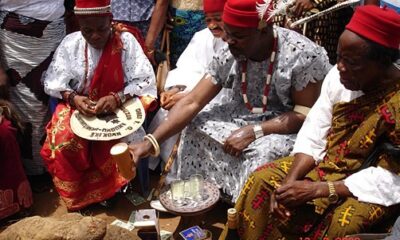
Preparation for Nzire-Ani festival begins several weeks in advance. Elders and priests inspect the Ani and perform preliminary rites to determine the exact timing of the festival. Families also make private offerings to the ancestors and deities, asking for blessings on their homes, farms, and community. The rituals emphasize harmony with nature, respect for ancestral authority, and ethical conduct.
A key feature of the festival is the involvement of masquerades which are both spiritual and performative. The Adah masquerade is central as it represents the bravery of Anam warriors who defended the community from slave raiders and other historical threats. Other masquerades such as Otimkpala and Owakwa play roles that reinforce moral lessons, communal discipline, and ancestral presence. These performances are accompanied by drumming, songs, and dances that narrate historical events and communal values.
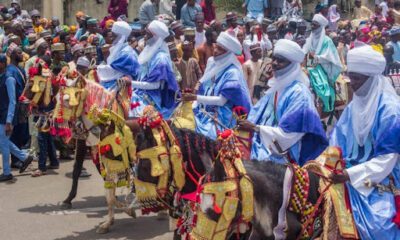
The festival also involves public processions, prayers, and offerings at riverbanks or village squares. Participants include elders, age-grade groups, families, and visitors. Songs and chants recounted during the ceremonies serve to educate younger generations about Anam history, moral codes, and environmental awareness.
In some villages, the night before the main festival day features masquerades performing acts that symbolize protection, vigilance, and spiritual authority. Strict traditional rules may be observed such as limiting certain movements or requiring specific community members to perform rites. These measures reinforce the sacred nature of the ceremonies and ensure that the rituals maintain their integrity.
Overall, the key rituals and ceremonies of Nzire-Ani festival integrate spiritual reverence, historical commemoration, and community education. They are designed to unify the people of Anam, honour their ancestors, and celebrate the renewal of life on the land. This makes the festival both a cultural and spiritual cornerstone of the community.
Masquerades and Performances

Masquerades are one of the most vibrant and symbolic features of the Nzire-Ani Festival. In Anam, masquerades are not just entertainment; they are living representations of the ancestors, historical events, moral lessons, and spiritual power. Each masquerade has a defined role, and their performances convey stories that preserve the history and identity of Anam people.
The Adah masquerade is the most prominent during Nzire-Ani festival. It symbolizes the courage and resilience of Anam warriors who historically defended the community against slave raiders and riverine invaders. During the festival, the Adah masquerade performs near rivers, sometimes engaging in mock displays of combat or symbolic gestures that recall past battles. These performances keep historical memory alive while teaching younger generations about bravery and communal responsibility.
Other masquerades such as Otimkpala, Owakwa, and Akpali serve multiple purposes. They act as guardians of social order, enforcing communal rules through symbolic actions. They also provide spiritual guidance and remind the community of the Ani covenant and ancestral presence. Some masquerades engage in dances, chants, and dramatic enactments that communicate moral lessons, correct social behaviour, and celebrate communal achievements.
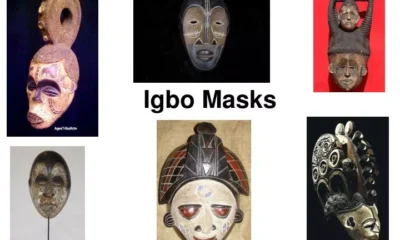
The performances combine music, drumming, singing, and elaborate costumes. Masks, colourful attire, and props are carefully prepared and maintained with each element carrying symbolic meaning. Masquerades often move through villages, visiting elders, performing for families, and gathering crowds in public squares. In addition to historical narratives, some masquerades introduce humour and playful interaction, making the festival both educational and enjoyable for all participants.
Masquerade performances also reinforce the spiritual significance of Nzire-Ani. Certain rituals performed by the masquerades, especially at riverbanks or shrines, are believed to ensure protection from floods, bring fertility to the land, and secure blessings for the community. By combining entertainment, history, spirituality, and social guidance, masquerades make Nzire-Ani festival a deeply meaningful and visually captivating festival that embodies the cultural heritage of the Anam people.
Social and Moral Functionsof Nzire-Ani Festival
Nzire-Ani Festival serves not only as a cultural celebration but also as a key instrument for reinforcing social order and moral values in Anam. Through its rituals, masquerades, and public gatherings, the festival strengthens community cohesion and reminds participants of the ethical standards that guide daily life.
One of the central moral functions of Nzire-Ani festival is the public affirmation of the Ani covenant. Elders and priests use the festival to remind the community, particularly young people of their duties to each other, the land, and ancestral traditions. The Ani symbol represents justice, truth, and communal responsibility. Its ceremonial return during the festival signals the reaffirmation of these values, encouraging honesty, respect, and fairness within the society.
Nzire-Ani festival also provides a forum for social accountability. During processions and masquerade performances, youths and age-grade groups may use songs, chants, or dramatizations to call out misconduct, highlight ethical lapses, and praise exemplary behaviour. This public expression helps to correct social wrongs in a culturally sanctioned way while maintaining harmony and respect within the community.
Moreover, Nzire-Ani fosters intergenerational learning and guidance. Through storytelling, songs, and masquerade narratives, elders educate younger members about historical events, communal responsibilities, and the consequences of unethical behaviour. The festival ensures that the community’s moral and cultural knowledge is transmitted effectively, thus preserving Anam identity across generations.
Finally, the social and moral aspects of Nzire-Ani festival are intertwined with its spiritual dimension. Observing the festival’s rituals correctly is believed to attract blessings, protect the community from misfortune, and ensure agricultural success.
By combining spiritual reverence, cultural memory, and moral reinforcement, Nzire-Ani plays a vital role in sustaining the social fabric of Anam people.
Agriculture and Renewal
Nzire-Ani Festival is closely tied to agriculture and the seasonal cycle of Anam people. Traditionally, the festival marks the end of the flood season and signals that the land is ready for cultivation. Because Anam is a riverine community, seasonal flooding historically affected farmlands, homes, and community life. Nzire-Ani, thus, serves as a communal marker of environmental recovery and agricultural renewal.
During the festival, elders, priests, and family heads offer prayers and perform rituals to the Ani deity and ancestral spirits, seeking blessings for fertile soil, abundant crops, and protection from natural calamities. Offerings may include food, kola nuts, and other symbolic gifts to honour the earth and ancestors. These acts reinforce the community’s belief in the interdependence between humans, nature, and spiritual forces.
Nzire-Ani festival also serves a practical purpose in guiding the farming calendar. The ceremonial return of the Ani signifies that it is safe to resume planting yams, cassava, vegetables, and other staple crops. Communities rely on the festival to coordinate farming activities to ensure that agricultural tasks begin at the appropriate time.
Beyond planting, the festival promotes communal participation in farming and land care. Age-grade groups and families often organize joint efforts to clear fields, repair dikes, or prepare farmland during the festival period. In this way, Nzire-Ani reinforces cooperation, collective responsibility, and sustainable land use.
By combining ritual, prayer, and practical farming guidance, Nzire-Ani festival links the spiritual and physical worlds. It ensures the survival and productivity of the community while preserving cultural traditions that celebrate the earth, ancestors, and communal life.
Changes Over Time and Contemporary Practices
Modern life has changed how some people take part in Nzire-Ani festival. Many residents of Anam now live outside the community in cities and abroad. Some celebrate more as tourists to their own culture during the festival period.
New media have helped to spread images of Nzire-Ani on social platforms and to attract visitors. Leaders now speak about promoting the festival to bring back relatives from far away and to build local tourism.
At the same time, some Christians and people of other faiths may avoid the spiritual parts of the old rites. This has led to debate inside the community about how to keep the cultural parts of the festival while respecting new religious convictions.
Many people now try to highlight the history, dance, music, and community spirit of Nzire-Ani festival while leaving out practices they see as conflicting with their faith. Community leaders and cultural scholars encourage inclusive celebrations that respect both tradition and current beliefs.
Challenges and Controversies
While Nzire-Ani Festival remains a vital cultural and spiritual event for Anam people, it faces several challenges and controversies in the modern era. One major challenge is declining participation, particularly among younger generations and community members who have moved to urban areas or abroad. As people live farther from their ancestral homes, fewer are able to attend or actively participate in the rituals and ceremonies. This creates concerns about the preservation of tradition.
Religious changes have also influenced the festival. With the spread of Christianity and other faiths in Anam, some community members view certain rituals as incompatible with their beliefs. This has led to debates over which elements of Nzire-Ani festival should be observed and which can be adapted or omitted, particularly spiritual practices that involve offerings to the Ani deity or ancestral spirits.
There are also practical and logistical challenges. Organizing a large-scale festival that involves multiple villages, masquerades, processions, and public rituals requires coordination, resources, and planning. Limited funding and modern pressures on community leaders can make it difficult to maintain the scale and quality of the celebration.
Additionally, the symbolic acts and performances of the festival are sometimes misunderstood by outsiders. Masquerade dances, mock combat, and ritual offerings may be misinterpreted, leading to misrepresentation of the festival in media or among visitors unfamiliar with Anam traditions.
Despite these challenges, community leaders, cultural custodians, and elders continue to advocate for Nzire-Ani festival. They emphasize the importance of educating young people about its history, social values, and spiritual significance.
By balancing tradition with modern realities, Anam people aim to preserve Nzire-Ani as a living cultural heritage that strengthens identity, unity, and continuity.
Economic and Tourism Potential
Nzire-Ani Festival holds significant economic and tourism potential for Anam community and Anambra State at large. Although the festival is primarily cultural and spiritual, its scale, uniqueness, and historical depth make it an event that can attract visitors, researchers, and cultural enthusiasts. With proper planning and community cooperation, Nzire-Ani can become a platform that stimulates local businesses and promotes cultural tourism.
During the festival period, the local economy experiences increased activity. Traders sell food, drinks, traditional clothing, crafts, and souvenirs. Artisans who create costumes, masks, and musical instruments used by masquerades also benefit from the increased demand. Transportation services, hospitality providers, and small businesses see more patronage as visitors move between the eight Anam communities.
The festival’s unique features, including the Adah masquerade, ancestral ceremonies, songs, and communal processions offer opportunities for cultural tourism development. Cultural scholars, photographers, and tourists interested in Igbo traditions can find Nzire-Ani especially valuable for understanding riverine heritage, indigenous governance, and ancestral worship among Anam people.
With the growing interest in indigenous festivals across Nigeria, Nzire-Ani festival can be positioned as an important cultural event in Anambra State. Promotion by tourism agencies, cultural bodies, and local governments could help create structured visitor experiences, guided tours, and cultural exhibitions that highlight the festival’s history and significance.
However, the tourism potential must be balanced with the need to protect the sacred elements of the festival. Community leaders often emphasize that rituals involving the Ani, ancestral blessings, and spiritual observances should remain respectful and undisturbed by commercial interests. Sustainable tourism would require collaboration between cultural custodians, village leaders, and tourism authorities to ensure that the essence of Nzire-Ani is not compromised.
If managed thoughtfully, Nzire-Ani Festival can serve as both a cultural symbol and an economic catalyst, supporting local livelihoods while showcasing the heritage and resilience of Anam people to a wider audience.
In Conclusion …
Nzire-Ani Festival remains one of the most important cultural traditions of Anam people. It brings together history, spirituality, community life, and the farming cycle in a way that reflects the values and identity of the eight Anam communities. Even with the pressures of modern life, changing beliefs, and shifting lifestyles, the festival still stands as a symbol of unity, ancestral respect, and renewal.
From the return of the Ani to the colourful masquerades, from communal prayers for a fruitful farming season to the reaffirmation of moral values, Nzire-Ani continues to hold deep meaning for those who celebrate it. Each year, the festival reconnects the community with its past and strengthens the bond between generations.
As efforts grow to document, preserve, and promote this heritage, Nzire-Ani Festival has the potential to remain a living tradition for many years to come. It can also serve as a source of cultural pride, education, economic benefit, and tourism growth for the wider region. What matters most is that Anam people continue to protect the sacred elements of the festival while embracing opportunities that help it remain relevant in today’s world.
Nzire-Ani Festival is a reminder of identity, resilience, and gratitude. It reflects the deep connection between Anam people, their land, and their ancestors, thus making it a heritage worth preserving and honouring.
References
- https://en.wikipedia.org/wiki/Anam%2C_Nigeria
- https://www.anambradaily.com/2024/12/24/why-anam-people-are-passionate-about-nzire-ani-festival-chief-engr-nnaemeka/
- https://nnewicity.com/anam-anambra-state-history-culture-traditions/
- http://anambradaily.com/2024/12/24/adah-anam-festival-igbos-urged-to-embrace-promote-their-rich-cultural-heritage/