






History and heritage
Anam, Anambra State: History, Culture, Traditions, Festivals

Anam is a riverine community in Anambra State with rich history, deep cultural roots, strong traditions and lively festivals. Read about this historic, multi-communities town.
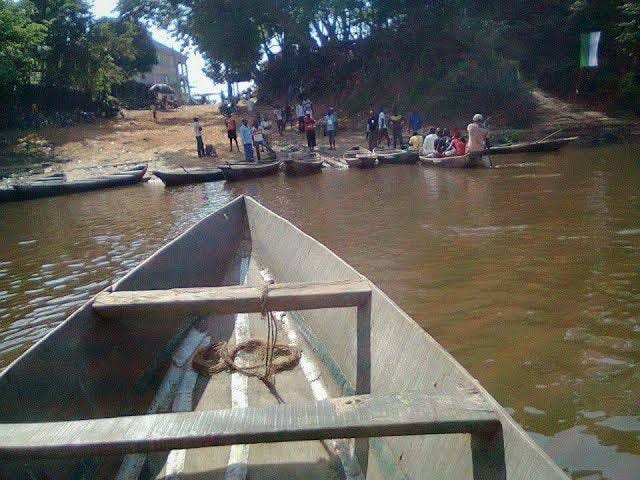
Omambala River
Anam is a vibrant and historic community in Anambra State, Nigeria known for its riverine landscapes, fertile lands, and rich cultural heritage. Situated between the Anambra River, River Niger, and several smaller waterways, Anam is not just a single town but a cluster of eight interconnected villages that have shared ancestry, traditions, and communal life for generations.
The people have built a unique identity rooted in farming, fishing, festivals, and age-old customs that continue to define the community today. From the lively Nzire-Ani Festival to the New Yam celebrations, Anam thrives as a centre of culture, tradition, and community cohesion.
In this article, we explore the history, culture, traditions, and festivals, uncovering what makes this riverine community one of the most significant and fascinating in Anambra State.
Geography and Location of Anam

Anam is a large and historically significant community located in Anambra State, South‑East Nigeria. It spans an island‑like peninsula bounded by three rivers, namely, the Omambala River (also known as Anambra River), River Niger, and Ezichi River. These waterways surround Anam. To the west lies River Niger, to the east and southeast, the Omambala River, and to the northeast, Ezichi River.
One of the villages, Umuoba Anam has parts that fall within a different administrative area, Anambra East Local Government Area, even though most of Anam lies within Anambra West Local Government Area.
Because of this layout, the town is, sometimes, described as a riverine or peninsula/island community with its land shaped and defined by flowing water. The land around the town is mostly flat and low‑lying, a typical floodplain shaped by its surrounding rivers.
Anam lies within the tropical rain‑forest belt of Southeastern Nigeria which means the climate is humid, and the region supports lush vegetation and rich soils. As a river‑fed floodplain, Anam experiences distinct seasonal cycles. The rainy season, sometimes heavy river flooding when rivers overflow, and dry periods.
Omambala River flows through the community and eventually joins River Niger, placing the town within the larger Niger basin. The presence of these major rivers informs how people live in the community. They influence farming cycles, fishing practices, settlement patterns, and even transport, making waterways vital.
At the same time, the close relationship with rivers means that the town is vulnerable to flooding, especially when rains are heavy or when rivers overflow, and that affects farmlands, homes, and access routes.
Studies and local records describe the environment as having humid tropical conditions, with significant rainfall that feeds the rivers and floodplains. However, the flat topography and location between rivers make Anam susceptible to seasonal flooding. These floods can be intense and disrupt daily life, affecting agriculture, housing, and mobility.
Structure of Anam
Anam is made up of several villages each of which has its own identity but together, they form the larger community. The town consists of eight main villages or communities: Umueze, Umuoba, Mmiata, Iyiora, Umuikwu, Umudora, Oroma‑Etiti, Umuenwelum
These villages, together, form the community often referred to as Anam. Traditionally, the town is divided into two zones. This division helps in understanding the distribution of villages within the larger community.
Ifite‑Anam: This zone includes Umueze, Umuoba, Mmiata, Iyiora
Ezi‑Anam: This zone includes Umuikwu, Umudora, Oroma‑Etiti, Umuenwelum
This two‑zone classification reflects both historical settlement patterns and administrative or communal organization. Most of the villages lie within Anambra West Local Government Area (AW‑LGA). However, Umuoba Anam is an exception because it is located in Anambra East Local Government Area (AE‑LGA). This split shows how the identity of the town transcends strictly administrative boundaries as the sense of belonging remains shared across villages.
With eight villages and a two‑zone structure, the community life is arranged around a network of linked but semi‑autonomous settlements. Each village often handles its own affairs in terms of traditional leadership, local events, and community decisions. Yet, all the villages are part of the broader Anam collective identity.
This structure affects social interactions, festivals, resource sharing, and even responses to challenges such as flooding. Because these villages are spread across riverine land, coordination among them is important for communal well‑being.
History of Anam
The history of Anam is a story of migration, alliance, survival, and unity, a narrative forged by rivers, fertile land, and a commitment by diverse groups to build a shared identity together.
The town is not descended from a single founding ancestor. Rather, it emerged as a coming together of people from different places who chose to settle together, hence the name “Anam.”
According to local history, many of its founding groups fled from slave raids and conflicts in their former homes. For example, some immigrants came from regions such as Nsugbe, Aguleri, Anaku, and other parts of Igboland.
These settlers initially gathered in a common ancestral settlement area called Odah. Over time, as their population grew and circumstances changed, especially because of external threats like slave‑hunters, they dispersed into different zones for security, farmland, and fishing grounds.
This foundational migration and settlement process eventually led to the formation of several villages which now make up Anam. Over time, neighbouring groups and settlers integrated into this framework, building a shared identity rooted in unity and mutual protection.
Historically, the community was referred to as Anam Mkpu Isaa which means Anam of seven kin groups. Over time, what was once seven villages grew to eight, with the later inclusion of a group known today as Umuenwelum. Among the earliest and central settlements was Umueze founded by an ancestor known as Aziam Nwavor, also called Avom who migrated from what is now Ezi‑Nteje area in Oyi Local Government Area.
Umueze Anam later became a spiritual and cultural centre for the wider community. The leaders of Umueze served as traditional custodians of the clan’s ancestral deity known as Ani Anam, an institution that anchored the spiritual unity of all the villages.
In the late 19th century, the community faced raids from warriors from neighbouring areas, specifically from the group referred to as Aboh/ Adda warriors. To escape danger, many Anam people fled their original settlement at Odah. Some scattered to distant areas, others regrouped and resettled in safer and more defensible lands. Some groups settled in what are now known as Mmiata, Umudora, Oroma, and Umuikwu areas.
In 1902, after the turbulence, people from Umueze returned to reclaim and resettle Odah. Meanwhile, some refugees and immigrants added new groups to Anam, thus enriching its diversity and further solidifying the coming together essence of the community.
To ensure long‑lasting unity, security, and fairness among themselves, the early settlers made a solemn pact, often described as a blood covenant that bound them together into one clan. They established the Ani Anam deity as a spiritual institution and moral authority. The deity’s laws and codes helped to regulate behaviour within the community and served as a guardian of justice, peace, and communal harmony.
Through this pact and shared spiritual framework, the clans came to see themselves not as separate migrant groups but as one people, members of Anam, with shared rights, responsibilities, and identity.
Much of the history of Anam was preserved through oral tradition such as stories, ancestral memories, and accounts passed down from generation to generation. Recognizing the risk of losing these memories due to modernization, migration, and changing lifestyles, a local group known as Elite Youths of Anam Foundation (EYAF) initiated a formal documentation project to archive the community’s history, traditions, and origin stories.
The project involves collecting oral histories from elders, gathering rare materials and old records, and publishing findings as digital archives and print, thus making the Anam heritage accessible to both present and future generations.
Leadership Structure
Traditional leadership plays an important role in coordinating social life, settling disputes, and preserving heritage. The structure combines customary authority with modern administrative roles, allowing the communities to function smoothly.
Each of the eight communities has a traditional ruler who serves as the custodian of customs and the symbolic head of the people. The Igwe oversees cultural matters, supports development efforts, and acts as the link between the community and the State government. In some towns, succession follows family lineage while in others, the process is based on community selection.
The Igwe is supported by a council made up of titled men and respected elders. These chiefs advise on matters of culture, land, and conflict resolution. They also help to coordinate festivals, maintain peace, and communicate decisions to their various kindreds.
Age grades are an important part of the leadership structure. Groups of men or women within a specific age bracket carry out community projects such as road clearing, security patrols, sanitation, and festival organization. They serve as an organizing force for communal labour and social order.
Each village or kindred has leaders who manage internal affairs. These elders settle minor disputes, maintain family lands, and ensure that traditions are followed. They play a key role in preserving unity within their smaller units.
The Town Union is the modern administrative arm of the community. It is usually led by an elected President-General who coordinates development projects, liaises with the government, mobilizes fundraising, and represents the interests of the community. Town unions also bring together residents living outside the homeland for common goals.
Church leaders also influence community life, especially on social and welfare issues. They work alongside traditional leadership to promote peace, moral guidance, and community support initiatives.
Overall, leadership in the area combines tradition, age-grade structures, family authority, and modern community administration. This blend helps to maintain order, protect cultural values, and support development across the villages.
Culture and Traditions
Anam people share strong cultural bonds anchored in shared traditions, customs, and communal life. The culture reflects its riverine environment, its agrarian and fishing economy, and its history. Because of the fertile soil and abundant water, farming and fishing are central to life in the town. Many communities, especially those along the rivers engage in fishing using traditional methods like netting, trapping, hand gathering, and sometimes, spearing or angling.
Agriculture is also a major source of livelihood. Crops commonly cultivated include yam, cassava, cocoyam, maize, groundnut, melon, and other staples. These form the backbone of food security for families. Some people also run small‑scale trading, especially of farm produce, fish, smoked fish, palm oil, vegetables, or cassava products, often traded in local markets or river‑side landing points.
Because Anam is riverine, many families also have out‑station gardens, that is, farms located a little further from the main homes, sometimes, using the natural flood‑recession cycles to grow crops.
The communities have maintained social cohesion through shared ancestry and traditions. Families are often extended, kinship ties run deep, and community decisions are often taken collectively.
Traditional leadership often involves village elders, age grades, and traditional title‑holders who help to organize community affairs, festivals, and cultural rituals. Respect for elders, collective responsibility, and communal solidarity remain strong values in Anam, partly because life along rivers and floodplains demands cooperation, mutual support, and trust.
The oral tradition remains important. Stories, migration histories, ancestral tales, and community memory are passed through generations via spoken word, songs, rites, and rituals. This helps to preserve a strong sense of identity.
Festivals and Celebrations
Anam people observe several festivals and celebrations that reflect their history, gratitude for harvests, and communal identity. These events play a central role in preserving tradition, strengthening togetherness, and connecting generations. Major Festivals in Anam include:
Nzire‑Ani Festival: This festival is considered the most important traditional festival for Anam people. Historically, the festival marks a ritual return of the ancestral deity, Ani Anam after seasonal flood-waters recede. Early settlers of the town swore a covenant of unity and loyalty. The deity was central to maintaining justice and order among the allied communities.
Nzire-Ani also commemorates ancestral victories over slave-raiding groups in the 18th and 19th centuries. For many the people, the festival is a reaffirmation of survival, unity, and ancestral legacy. Celebration of Nzire-Ani typically involves masquerade displays, communal gatherings, ancestral remembrance, and rituals that reinforce social bonds across the eight communities that make up the larger town.
Otite Anam Festival: This festival celebrates the harvest, especially yam, and is a time for gratitude to God and ancestors for the year’s bounty. It is usually held in August around Eke market-day.
During the festival, yams and other farm produce are offered in thanksgiving, communal meals are prepared, often including fresh or smoked fish and pounded yam, and families, friends, and guests gather to share in the feast.
Otite Anam serves both as a mark of agricultural success and as a renewal of hope, a way for the community to celebrate sustenance, resilience, and shared heritage.
Rites of Passage (Ine‑Ezi Rites): Traditionally, when adolescent girls reach a certain stage, they undergo the Ine-Ezi rites which is a set of customs meant to prepare them for adulthood and eventual marriage. These rites have multiple phases, including seclusion, instruction, and cultural tutelage where domestic skills, social conduct, and responsibilities expected of married life in tradition are taught.
While these rites are more personal than communal festivals, they remain an important part of cultural identity and social structure among Anam people.
Landmarks and Places of Interest

Although the region is mostly rural and built around farming and fishing, it still has several notable natural and manmade landmarks that shape daily life and movement across the communities.
Omambala River
Omambala River is the most prominent natural landmark in the area. It feeds the farmlands, supports fishing, and serves as a major transportation route for riverine communities. Many settlements sit close to the river’s banks, making it central to the region’s economy and history.
Iyiora Anam Bridge
One of the most important infrastructural landmarks is the modern bridge linking the area to the Otuocha axis. Completed during the administration of Governor Willie Obiano, the bridge opened up faster access to markets, schools, and health services. It also supports the movement of farm produce to urban centers.
Mmiata-Anam Central Market
This busy market is a major commercial hub where farmers and traders sell yams, cassava, fish, vegetables, palm products, and other local foods. On market days, the area attracts buyers from neighbouring towns, making it a key location for economic activity.
Extensive Farmlands and Wetlands
The region is known for its fertile land. Large stretches of farmlands can be found around Mmiata, Umueze, Iyiora, and Ukwala. These locations support the cultivation of rice, yam, maize, vegetables, and cassava. The wetlands also create natural floodplains that enrich the soil.
Village Squares (Ovalo)
Each community has a village square that serves as a social and cultural landmark. These squares host meetings, festivals, age grade ceremonies, and performances. They remain central to community life and the preservation of heritage.
Traditional Shrines and Sacred Sites
There are also several sacred groves and shrines maintained by custodians of tradition. While not tourist sites, they are important cultural landmarks where rituals tied to festivals and ancestral remembrance take place.
Notable People from Anam
The communities have produced individuals who have distinguished themselves in academia, leadership, and public service. Their achievements reflect the strength, values, and aspirations of the people, and they serve as role models for younger generations. Below are some of the most widely recognized figures whose contributions are documented and verifiable.
Augustine N. Eboatu
Augustine N. Eboatu stands out as the first person from the Anam communities to reach the rank of professor. He served as Deputy Vice-Chancellor of Nnamdi Azikiwe University Awka from 2004 to 2007.
His rise to such a high academic position has been regarded as a source of pride and inspiration for youths in his home community.
Igwe Akubuisi Okonkwo (Olanme II of Iyiora Anam)
Igwe Akubuisi Okonkwo became a traditional monarch at an exceptionally young age. At just 10 years old, he ascended the throne following the passing of his father. His coronation on January 7, 2021 marks him as one of Nigeria’s youngest monarchs.
While still young, his position symbolizes continuity of tradition and cultural heritage in a time when many young people move to cities. It is a living link between past and future for his community.
Challenges and Environmental Realities
While Anam enjoys natural wealth, fertile land and vibrant culture, it also faces serious challenges, largely because of its geography and the nature of riverine living. Because it lies along major rivers and floodplains, flooding is a recurring problem. Many communities, including villages like Mmiata, Iyiora and Umuoba have experienced repeated floods that destroy farmlands, houses, and disrupt lives.
Flooding affects not only agriculture and housing but also education and infrastructure. Schools and roads are submerged or inaccessible, making life difficult, especially during rainy seasons.
Such environmental challenges can lead to food insecurity, displacement, loss of property, and hardship. These are the issues that many riverine communities grapple with.
Because many parts of the town are accessible only by waterways or poorly maintained roads, access to education, healthcare, markets, and other services is often limited. Transportation is also difficult during floods or heavy rains. These access challenges make it harder for residents to fully benefit from their resources, or to easily trade their produce and fish beyond local markets.
Another challenge is preserving cultural heritage, stories, and history, especially as younger generations move to cities, or as modernization changes lifestyles. There’s a risk that oral histories, traditions, and customs may fade with time.
To address this, community‑driven efforts like the one by Elite Youths of Anam Foundation (EYAF) have begun documentation projects of their history and traditions. Such efforts are vital to safeguard their identity for the future.
In Conclusion …
The communities that make up Anam stand out for their rich history, strong cultural identity, and deep respect for tradition. From their origins along fertile waterways to their vibrant festivals that celebrate farming, family, and spiritual life, these communities have preserved values that continue to shape their way of life.
Their leadership systems, landmarks, and notable individuals all reflect a people committed to unity, progress, and cultural pride.
As development reaches more parts of the region, the heritage of the people remains a guiding force. Their customs, festivals, and communal spirit ensure that the next generation grows up with a clear understanding of who they are and where they come from.
The story of this riverine community is not just about the past. It is about a living culture that continues to thrive, adapt, and inspire.
References
- https://en.wikipedia.org/wiki/Anam%2C_Nigeria
- https://en.wikipedia.org/wiki/Iyiora_Anam
- https://en.wikipedia.org/wiki/Mmiata_Anam
- https://anamite.blogspot.com/2010/08/anam-brief-profile.html
- https://gjournals.org/GJSC/Publication/2023/1/HTML/071323063%20Onuagha%20and%20Onyima.htm
- https://www.fig.net/resources/proceedings/fig_proceedings/fig2013/papers/ts01c/TS01C_nwosu_olayinka_et_al_6647.pdf
- https://everything.explained.today/Anam%2C_Nigeria/
- https://umuikwu-anam.blogspot.com/2017/10/the-origin-and-history-of-umuikwu-anam.html
- https://www.emmason247.com.ng/blog/history-origin-culture-and-traditions-of-umueze-anam-town-in-anambra-state/WRDZVWZbR
- https://www.researchgate.net/publication/355231172_ANDROCENTRICISM_IN_IGBO_FEMALE_RITES_OF_PASSAGE_AN_EXAMPLE_OF_THE_INE-EZI_OF_THE_ANAM_OF_ANAMBRA_STATE_SOUTHEAST_NIGERIA
- https://nnewicity.com/meet-nigerias-youngest-king-his-royal-majesty-igwe-akubuisi-okonkwo-olanme-ii-of-iyiora-anam/
- https://www.anambradaily.com/2024/12/24/why-anam-people-are-passionate-about-nzire-ani-festival-chief-engr-nnaemeka/