





African Culture and Traditions
Otute Ujari Festival in Ajalli, Anambra State

Otute Ujari Festival is a vibrant Igbo new yam festival celebrated in Ajalli and nearby communities to give thanks for the yam harvest, unite the people, and showcase masquerades, music, and cultural pride.

Otute Ujari Festival is one of the most vibrant cultural celebrations in Ajalli in Orumba North, Anambra State. It is a special version of the Igbo new yam festival that brings families, elders, farmers, and visitors together to celebrate the end of the farming season and to give thanks for the yam harvest.
Known for its colourful masquerades, traditional music, community feasting, and deep spiritual meaning, Otute Ujari Festival reflects the heart of Igbo culture. Each year the celebration strengthens community ties, honours ancestral heritage, and showcases the cultural pride of the Ajalli people.
As more people search for authentic cultural experiences in Anambra and across the Southeast, Otute Ujari Festival stands out as a rich and meaningful tradition that blends history, spirituality, and joyful entertainment.
Origins and Cultural Background of Otute Ujari Festival
Otute Ujari Festival is part of a larger tradition of new yam festivals celebrated by the Igbo people of southeastern Nigeria. In Igbo land, the new yam festival is known by different names including Otute, Iwa ji, Iri ji, Ike ji, or other local dialect variations but the core meaning is the same.
It marks the end of the rainy season and the beginning of the yam harvest season which usually occurs between early August and October. This festival is one of the most respected and widely observed cultural events in Igbo society.
Yam has long been central to Igbo life and identity. The crop is often described as the king of all crops because of its importance in food security, social rituals, and economic well-being. In Igbo farming communities, yams symbolize prosperity, strength, and success.
Traditionally, new yams are not eaten before the community’s festival rituals are completed because doing so is considered disrespectful to the ancestors and to tradition. The new yam festival, therefore, functions as a communal way of giving thanks for a successful farming season and seeking blessings for the next cycle of agricultural work.
In many communities, preparations for the new yam festival begin weeks before the main celebration. Elders and traditional leaders decide on festival dates based on the readiness of the yam harvest and traditional calendars.
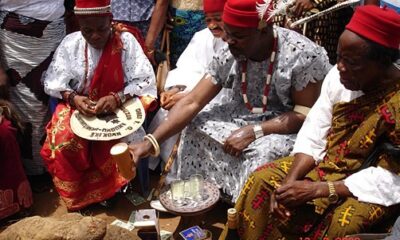
On the festival day, offerings of yam, kola nuts, and palm wine are presented in prayers and libations to God, ancestors, and earth deities to express gratitude for protection and bounty. Only after the first yam is formally cut, offered, and blessed can people of the community eat the new crop.
The festival also serves as a time for social unity and reconciliation. Families and extended relations visit one another, exchange gifts, settle disputes, and renew social bonds. The celebration of new yam festivals across Igbo land illustrates the deep cultural value placed on agriculture, community cohesion, and the cycle of life and work.
In the specific case of the Otute Ujari Festival in Ajalli, Anambra State, the celebration carries these broader Igbo meanings into local practice. It honours the yam harvest and the community’s collective efforts in farming. It also reinforces cultural identity, local pride, and gratitude for a bountiful agricultural season.
Otute Ujari Festival in Ajalli (Ujari)

Otute Ujari Festival in Ajalli located in Orumba North Local Government Area of Anambra State, Nigeria is a local expression of the broader Igbo new yam festival tradition. It is a yearly cultural event that brings community members together to celebrate the yam harvest, honour tradition, and promote social unity. The festival is rooted in centuries-old Igbo agricultural customs where the yam harvest is recognized as a critical event in the farming calendar. Yams are deeply symbolic in Igbo society as sources of sustenance and indicators of prosperity and hard work.
In Ajalli, Otute Ujari Festival is more than a simple celebration of harvest. It is a communal occasion during which families, elders, youths, and diaspora members return home to participate in traditional rituals, feasting, and cultural performances. The festival usually includes the formal cutting and offering of the first yams of the season. This act is performed publicly and in a ceremonial manner to give thanks for the harvest and to seek blessings for the year ahead. It reflects the shared cultural belief that eating new yams before the festival rites are completed is disrespectful to ancestors and tradition.
Otute Ujari Festival also features masquerade performances which are important artistic and spiritual elements of Igbo culture. Masquerades entertain the crowd and symbolize ancestral spirits returning to mingle with the living during major celebrations. Music, traditional dance, and colorful attire further enrich the festival atmosphere, creating a memorable experience for both locals and visitors.
Local leadership plays a significant role in organizing the festival. Elders, community leaders, and cultural groups plan the sequence of events, coordinate traditional rites, and ensure that the festival reflects both ancient customs and contemporary community values. The celebration often provides a platform for speeches by town leaders and messages of unity, development, and cultural pride.
While specific dates vary each year, depending on the harvest, Otute Ujari Festival typically takes place between late summer and early autumn. It draws attention not only as a cultural highlight in Ajalli but also as part of the larger festival calendar in Igbo land where new yam festivals are among the most anticipated annual events.
Witnessing Otute Ujari Festival gives cultural tourists and scholars insight into the rich traditions of Igbo people and the enduring significance of yam ceremonies in southeastern Nigeria.
Typical Timing and Who Organizes Otute Ujari Festival
Otute Ujari Festival in Ajalli, Anambra State is part of the wider cycle of Igbo new yam festivals that celebrate the yam harvest each year. These festivals generally take place during the harvest period from August to October which is when yams become ready for eating in most Igbo farming communities.
While there is no fixed calendar date for all towns, each community sets its own schedule based on when the yam crop is fully harvested and when traditional leaders declare the festival season open. This pattern reflects the agricultural rhythm of southeastern Nigeria and informs when Otute Ujari Festival is held in Ajalli.
In Ajalli, local leaders work together in advance to choose the specific date for Otute Ujari Festival. The festival’s planning and execution involve several community bodies and cultural custodians. Traditional authority rests with the traditional ruler who plays a central role in determining the timing of cultural events and in giving final approval for festival rites. The Igwe’s council of elders and chiefs advise on appropriate dates based on harvest readiness and cultural calendars.
The town union and community development associations also play key organizational roles. These groups coordinate logistics such as venues, security, equipment, and communication with local families and visitors. Youth organizations and women’s associations help with mobilization, hospitality, and festival hospitality activities. The combined efforts of these local organizers ensure that Otute Ujari Festival runs smoothly and reflects the shared values of Ajalli community.
In addition to community leadership, cultural performance groups and masquerade troupes are sometimes, engaged to plan entertainment segments for the festival. These groups rehearse in advance and perform during the festival to showcase local art, music, dance, and traditional dress. Such collaboration underscores how deeply rooted Otute Ujari Festival is in both agricultural life and in community cooperation.
While specific details of organizational meetings and schedules are often managed locally and may not always be published in national media, the general pattern of local leadership involvement, community planning, and seasonal timing aligns with how new yam festivals are traditionally organized across Igbo land.
Key Rituals and Activities of Otute Ujari Festival

Otute Ujari Festival follows the long-established pattern of Igbo new yam celebrations in Anambra State. The rituals focus on gratitude for the harvest, respect for the ancestors and community elders, and the public unveiling of the new yam harvest. While each town may express these traditions in its own way, the core activities below are consistent with known and verifiable Igbo cultural practices.
Thanksgiving and Harvest Blessing
A key part of Otute Ujari Festival festival is the formal blessing of the new yam harvest. In Igbo culture, no one eats the freshly harvested yam until it has been blessed. This blessing is carried out by the traditional ruler, elders, or a designated cultural custodian. The prayers express gratitude to God and the ancestors for a successful farming season.
This ritual is widely documented in Igbo new yam celebrations across Anambra State.
First Yam Tasting Ceremony
After the blessing, the first yam is cooked, pounded, or roasted and then tasted publicly. This act symbolizes the official permission for everyone in the community to begin eating the new yam. The ceremony usually takes place in a central community square or palace arena, similar to what is seen in other Igbo towns such as Onitsha, Nri, Nnewi and Igbo-Ukwu.
Cultural Masquerade Performances
Masquerades are a common sight during harvest festivals throughout Igbo land, and they are also associated with Otute Ujari Festival in Ajalli. Masquerades entertain the community with dramatic displays, dances, acrobatics, and traditional music.
Masquerade appearances during new yam festivals are a part of Igbo cultural heritage.
Traditional Dances and Music
Local dance groups, women’s cultural groups, and youth troupes perform traditional dances accompanied by drums, ogene, flutes, and local instruments. These performances celebrate community identity and are a standard feature of new yam festivals in southeastern Nigeria.
Family Feasting and Community Sharing
A central part of the celebration is communal eating. Families prepare yam dishes and share meals with neighbours and visitors. Across Igbo communities, feasting is seen as a symbol of unity, prosperity, and gratitude for the agricultural cycle.
Visits to Ancestral Compounds
In many Igbo towns, festivals are a time to reconnect with extended family. People visit ancestral homes, pay respects to elders, and strengthen family bonds. This is a culturally documented practice during Igbo festivals, especially those tied to the farming season. This is also part of Otute Ujari festival in Ajalli.
Youth and Cultural Competitions
Harvest festivals often feature friendly competitions such as wrestling, dance contests, and cultural displays. While the specific competitions may vary from town to town, these activities are aligned with broader Igbo festival traditions and are used to promote community pride and youth involvement.
Community Announcements and Public Declarations
Traditionally, festivals are a time for the town leadership to address the community. The Igwe and town union leaders may use the occasion to share updates, make declarations, or reaffirm cultural values.
Social and Cultural Significance of Otute Ujari Festival
Otute Ujari Festival holds deep social and cultural importance in Ajalli, Anambra State as it reflects centuries of Igbo heritage and tradition. Beyond being a celebration of the yam harvest, the festival reinforces community cohesion, cultural identity, and intergenerational values.
One of the most significant social roles of Otute Ujari Festival is fostering unity among community members. Families and extended relatives return home from other towns or cities to participate. The festival provides a space for reconciliation, forgiveness, and reaffirmation of social ties. This communal aspect is a hallmark of Igbo new yam festivals, ensuring that traditional values of togetherness and solidarity are maintained.
Otute Ujari festival serves as a public acknowledgment of the role of elders and ancestors in guiding and sustaining the community. Rituals, offerings, and ceremonial practices highlight respect for senior members of the town and for ancestral spirits. This reinforces cultural continuity and the transmission of traditional knowledge to younger generations.
Through masquerade performances, traditional dances, music, and attire, Otute Ujari Festival preserves and promotes the rich Igbo cultural heritage. Masquerades not only entertain but also serve as symbols of ancestral presence, social order, and spiritual protection. Traditional dances and music maintain the rhythms, instruments, and movements that have been passed down for generations.
Otute Ujari festival underscores the importance of agriculture in Igbo society. By celebrating the yam harvest, the community acknowledges the efforts of farmers and encourages continued dedication to farming. The festival functions as both a thanksgiving ceremony and an incentive for younger members to appreciate agricultural labour as a way of ensuring food security and economic sustainability.
Otute Ujari Festival provides an informal platform for teaching moral values and cultural norms. Young people observe and participate in rituals while learning respect for elders, the significance of ancestral customs, and the importance of community participation. This educational role ensures that Igbo traditions remain relevant and are passed down across generations.
By attracting visitors and the diaspora, Otute Ujari festival reinforces Ajalli’s identity as a cultural hub in Orumba North. It showcases the town’s unique expression of the Otute tradition while contributing to cultural tourism in southeastern Nigeria. The festival’s visibility in local media helps to document practices and highlights the relevance of Igbo festivals in the modern era.
Modern Expression of Otute Ujari Festival
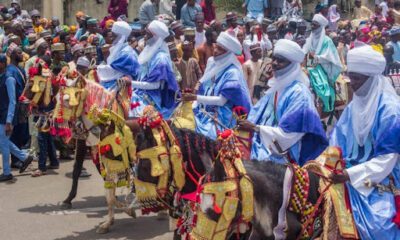
Otute Ujari Festival in Ajalli, Anambra State honours traditional practices while embracing modern elements. Recent celebrations, including the 2025 edition have incorporated carnival-style processions, contemporary music, and media coverage, thus making the festival accessible to a wider audience.
Masquerades, traditional dances, and rituals remain central but festival organizers now also coordinate performances with sound systems, staging, and social media promotion to attract both locals and visitors.
Local leaders, town unions, and cultural groups ensure that while modernization enhances the spectacle, the core cultural and spiritual significance of the festival is preserved. Modern participation also includes youth involvement, photography, and documentation which help to record the festival for future generations. This blend of tradition and contemporary expression keeps Otute Ujari Festival relevant in today’s cultural landscape.
Comparison with Other Otute and New Yam Festivals
Otute Ujari Festival in Ajalli, Anambra State shares many similarities with other Igbo new yam festivals across southeastern Nigeria. Like Otute celebrations in towns such as Nawfija, Nri, and Onitsha, it features masquerades, traditional music, dances, and the ceremonial offering of new yams to God and the ancestors before consumption.
What sets the Otute Ujari Festival apart is its specific local customs and timing, as well as its integration with Ajalli community leadership and town union events. While the broader Igbo new yam festivals emphasize thanksgiving for the harvest and social unity, Ajalli’s festival uniquely combines these traditions with modern carnival-style celebrations and media coverage which reflect its cultural pride.
Overall, Otute Ujari Festival exemplifies how Igbo communities maintain shared rituals and cultural values while adapting celebrations to local contexts and contemporary audiences.
Economic and Tourism Potential
Otute Ujari Festival in Ajalli, Anambra State not only celebrates Igbo culture but also contributes to the local economy and tourism. During the festival, food vendors, artisans, and small businesses benefit from the influx of visitors, including members of the diaspora returning home for the celebration.
Traditional crafts, local cuisine, and cultural merchandise are sold, and that create additional income opportunities for the community.
The festival also has tourism potential. Its colourful masquerades, traditional dances, and ceremonial rituals attract cultural tourists and researchers interested in Igbo heritage. Media coverage of Ajalli’s Otute Ujari Festival has increased awareness beyond the local community and positioned it as a potential cultural tourism destination in southeastern Nigeria.
Proper promotion and organization could further enhance its role in boosting local businesses, encouraging cultural tourism, and preserving Igbo traditions.
Challenges and Preservation Efforts
Otute Ujari Festival in Ajalli, Anambra State faces several challenges, despite its cultural significance. Modern lifestyles, urban migration, and declining youth participation have affected the continuity of some traditional practices. Additionally, the influence of contemporary entertainment and religious shifts has led to reduced engagement in ritual aspects of the festival.
To preserve the festival, community leaders, elders, and town unions actively organize and promote events that engage both older and younger generations. Media coverage, including local television and online platforms helps document the festival and raise awareness about its cultural importance. Educational programmes in schools and youth organizations also encourage participation and understanding of the rituals.
Through these efforts, Otute Ujari Festival continues to maintain its relevance, ensuring that Ajalli cultural heritage and the broader Igbo traditions of thanksgiving, social unity, and ancestral respect are preserved for future generations.
In Conclusion …
Otute Ujari Festival in Ajalli, Anambra State is a vibrant celebration that combines Igbo cultural heritage, community unity, and agricultural gratitude. Rooted in centuries-old traditions, the festival honours the yam harvest, respects elders and ancestors, and reinforces social bonds across generations. Its modern expressions, including masquerades, music, and media coverage make it accessible to younger generations and cultural tourists, even as its traditional essence is preserved.
By blending ritual, entertainment, and community participation, Otute Ujari Festival not only strengthens Ajalli cultural identity but also contributes to the local economy and tourism potential. Ongoing efforts by community leaders, youth groups, and media documentation ensure that this festival remains a living testament to Igbo tradition that inspires pride and continuity for future generations.
More than a harvest celebration, Otute Ujari Festival, is a symbol of heritage, unity, and cultural resilience that continues to enrich the social and cultural fabric of southeastern Nigeria.
References
- https://en.wikipedia.org/wiki/New_Yam_Festival_of_the_Igbo
- https://www.nationalpanelnews.com/2024/09/new-yam-festival-as-troupe-for.html
- https://www.primebusiness.africa/breaking-the-new-yam-how-the-iri-ji-festival-keeps-the-igbo-spirit-alive/
- https://guardian.ng/life/iwa-ji-the-new-yam-festival-in-igbo-land/
- https://absradiotelevision.com/2025-otute-ujari-festival-ajalli-community-holds-carnival/
You might want to check this out …