




Food and Culinary Culture
Onunu Festival in Rivers State: History, Meaning, and Cultural Significance

Onunu Festival is one of those cultural events that quietly tells a bigger story about food, identity, and community in Nigeria’s Niger Delta. Discover the history, meaning and cultural significance of this unique food festival celebrated in Port Harcourt, Rivers State.
Onunu Festival is an annual cultural and food celebration held in Port Harcourt, Rivers State, Nigeria. It is centered on onunu, a traditional Niger Delta dish made from a blend of yam and ripe plantain, and it brings together food, music, dance, and community life in one vibrant space. First held in December 2024, the festival was created to promote local cuisine while showcasing the cultural richness of Rivers State.
Organized as a public cultural event, Onunu Festival attracts residents of Port Harcourt as well as visitors who want to experience indigenous food and entertainment in a relaxed and welcoming environment.
The festival features food tastings, live music performances, traditional dances, and cultural displays that reflect the identity and heritage of the Niger Delta people. Over a short period, it has gained attention as one of the emerging cultural events in the city.
More than a celebration of a meal, Onunu Festival serves as a platform for cultural preservation and community connection. It highlights the importance of traditional foods in Nigerian culture and creates space for storytelling, shared experiences, and intergenerational learning.
By placing a familiar local dish at the centre of a modern cultural event, Onunu Festival bridges tradition and contemporary urban life in Port Harcourt, Rivers State, Nigeria.
Meaning of Onunu Festival
Onunu is a traditional Nigerian dish that comes from the Niger Delta region, particularly celebrated among the Ijaw ethnic group and enjoyed widely across Rivers State and its neighbouring communities. It is a food deeply rooted in local tradition and everyday life, known for its comforting texture, balanced flavours, and cultural meaning.
At its simplest, Onunu is made from boiled yam and very ripe plantain that are cooked until tender and then pounded together until they form a smooth, homogeneous blend. The unique combination of yam and plantain gives the dish both a mild earthiness and a natural sweetness that sets it apart from other swallow foods in Nigeria. After pounding, palm oil is added to give the dish its characteristic orange‑red hue and add a rich, aromatic quality. The use of palm oil also connects the dish to the agricultural identity of the Niger Delta where palm produce is a cornerstone of local cuisine.
To prepare Onunu traditionally, the yam and plantain are first peeled, washed, and boiled in water until they reach a soft, break‑apart texture. Once fully cooked, they are transferred to a mortar and pounded with a pestle. The pounding process requires patience and rhythm and is often done by hand in family settings.
The palm oil is poured in gradually and worked into the mixture to achieve a pliable but cohesive consistency. When prepared well, Onunu has a soft, smooth texture that holds together easily when shaped by hand.
Unlike many swallows that are paired with soups, onunu is frequently enjoyed with rich accompaniments that reflect local tastes and produce. These can include spicy pepper soup, a deeply flavoured broth made with local spices and fish or meat; fresh fish stew which brings a coastal element to the meal; or palm oil‑based vegetable sauces that further enrich the flavour. These accompaniments provide contrast to the mildness of the Onunu itself and complete the meal in a way that feels deeply satisfying and nourishing.
Culturally, Onunu carries significance beyond being a daily meal. It is often served during festive occasions, family gatherings, and rites of passage where sharing food is a way of expressing hospitality and reinforcing community bonds. In the Niger Delta, food is a form of communication that conveys warmth, care, and respect. When guests are served the meal, it symbolizes welcome and shared identity.
The importance of Onunu is reflected in how it is honoured at Onunu Festival. By placing this beloved dish at the centre of an annual celebration, organizers are not just commemorating a food. They are recognizing the role of the dish in cultural memory, community cohesion, and regional pride. Onunu festival invites people to reconnect with tradition, taste a dish that carries deep local meaning, and appreciate the rhythms of daily life that Onunu represents.
In essence, Onunu is more than a dish. It is a cultural marker, a shared experience, and a taste that holds memories for many who grew up in the Niger Delta. Its inclusion as the focal point of a major cultural festival speaks to its enduring value and the way food can serve as an anchor for identity, celebration, and community.
Origin and History of Onunu Festival
Onunu Festival is a modern cultural celebration that has quickly become one of Port Harcourt’s most talked‑about events. It is an annual festival held in Rivers State, Nigeria, with its first edition taking place in December 2024. Onunu festival was created to celebrate Onunu, a traditional dish made from yam and ripe plantain blended with palm oil, and to showcase the cultural heritage and unity of the people of Rivers State.
Onunu festival was organized by Belema Nelson Onikio who is popularly known as Onunuboy. His vision was to bring attention to onunu dish, not just as food but as a cultural symbol that could unite people through tradition, music, dance, and community engagement. By centering the celebration on a dish that locals know and love, Onikio aimed to create an event that connects food with identity and pride in local customs.
The inaugural Onunu Festival in 2024 was held in Port Harcourt and featured music, cultural performances, food displays, and joyful gatherings. The event drew not only food lovers but also residents interested in heritage and entertainment.
It blended traditional cultural expression with modern festival elements that made it appealling to a broad audience. Local artists, performers, and cultural personalities participated, and helped to give the festival early visibility and momentum.
Since then, Onunu Festival has grown in scope. The 2025 edition was scheduled for 7 December 2025 at the Model Secondary School Field in the Government Residential Area (GRA) of Port Harcourt. This edition was designed to be even more immersive, with extended cultural showcases, food exhibitions, masquerade displays, lively music, and family‑friendly activities.
What sets Onunu Festival apart from other food events is its deliberate blending of traditional cultural celebration with a modern carnival atmosphere. The festival does not simply highlight a dish. It situates that dish at the heart of a cultural experience that includes community pride, artistic expression, and heritage appreciation. Over time, this has helped the event to attract thousands of attendees and earn recognition as a symbol of cultural unity and celebration in Rivers State.
In essence, the history of Onunu Festival is short but significant. It began with a clear purpose which was to elevate a beloved local dish into a cultural touchstone and to build community through shared experiences that celebrate tradition, identity, and joy. As the festival continues to evolve, it reinforces the idea that food can be a powerful vehicle for cultural connection and celebration.
Where and When Onunu Festival Is Celebrated
Onunu Festival is celebrated in Port Harcourt, the capital city of Rivers State in southern Nigeria. Port Harcourt is known as a vibrant cultural and economic hub in the Niger Delta region, with a diverse population and a growing reputation for hosting festivals and events that highlight local heritage. The rich cultural landscape of the city makes it an ideal setting for a celebration like Onunu Festival which brings together food, music, and community in one lively space.
The venue for the festival can vary from year to year, but it has been held in accessible, public spaces that can accommodate large crowds and provide room for performances, food displays, and activities. For example, the 2025 edition of Onunu Festival was scheduled to take place on 7 December 2025 at the Model Secondary School Field in the Government Residential Area (GRA), Port Harcourt. This central location provided a welcoming environment for families, food lovers, and cultural enthusiasts to gather, celebrate, and enjoy all that the festival offers.
Onunu Festival is an annual event typically held toward the end of the year. The first edition took place in December 2024 and drew attention from residents and visitors who came out to enjoy traditional foods, live entertainment, and cultural presentations. The December timing has helped the festival to become part of the seasonal cultural calendar in Port Harcourt, offering families and communities an occasion to come together before the year closes.
The combination of location and timing makes Onunu Festival accessible and attractive to a wide audience. The status of Port Harcourt as a major city ensures that the festival can draw diverse crowds, including locals from different ethnic groups as well as visitors from other parts of Nigeria. Holding the event in December creates a festive atmosphere that aligns with other cultural activities at the end of the year and encourages people to celebrate community and heritage.
Essentially, Onunu Festival is celebrated in Port Harcourt, Rivers State each year toward the end of December, with venues selected to accommodate large crowds and cultural performances. Its timing and location have contributed to its growth as a meaningful cultural event in the region that offers both residents and visitors a chance to enjoy traditional food and shared cultural experiences.
Major Activities and Attractions at Onunu Festival
Onunu Festival is not just about food. While Onunu, the traditional yam and plantain dish is the centrepiece, the festival has evolved into a full cultural celebration that combines culinary experiences, music, dance, masquerades, and community engagement. It offers visitors of all ages an opportunity to explore the richness of Rivers State culture in a lively and inclusive environment.
The main attraction of the festival is, of course, Onunu tasting. Visitors can enjoy different varieties of the dish, often served with accompaniments such as pepper soup, fish stew, or palm oil-based sauces. Local chefs and home cooks showcase their culinary skills that offer guests an authentic taste of the Niger Delta.
Cooking demonstrations, sometimes, take place on-site, allowing attendees to see the traditional pounding and preparation process firsthand. This interactive food experience highlights the cultural and culinary significance of Onunu while promoting local gastronomy.
Music and dance form the heartbeat of Onunu Festival. Local musicians, singers, and dance troupes perform throughout the event, and showcase both traditional rhythms and contemporary styles. These performances are often tied to the cultural heritage of Rivers State that celebrates storytelling, folklore, and community life through song and movement. Attendees are encouraged to participate in some dances to create an immersive and joyful experience that strengthens community bonds.
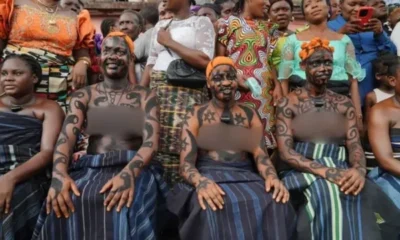
Masquerade performances are a key cultural highlight of Onunu festival. These displays reflect Niger Delta traditions and bring vibrancy to the event through colourful costumes, masks, and dramatic performances. Masquerades often tell stories or represent historical and spiritual symbols that connect festival-goers with the deeper cultural context of the region. This element of the festival not only entertains but also educates attendees about local heritage and symbolism.
Onunu Festival is designed to be family-friendly. Beyond food and performances, the festival includes activities such as interactive games, storytelling sessions, and cultural competitions for children and youths. These activities encourage community participation and foster a sense of belonging among attendees. Families often come together to explore the festival, thus making it a place for bonding and creating lasting memories.
The festival also provides opportunities for local artisans, craftsmen, and small business owners to display their work. From handmade crafts to local fashion and artworks, visitors can purchase cultural products, thereby supporting the local economy while celebrating Nigerian heritage.
In addition to entertainment, Onunu festival often incorporates educational segments that highlight the history and significance of Onunu, traditional cooking techniques, and Niger Delta culture. Workshops and discussions help the attendees to understand the importance of preserving local food traditions and the role of festivals in promoting cultural identity.
Overall, Onunu Festival combines culinary delights, live music, dance, masquerade performances, and community-focused activities to create a holistic cultural experience. It is a space where food, tradition, and entertainment intersect and allows attendees to appreciate the rich heritage of Rivers State while engaging in joyful, shared experiences.
Cultural and Social Significance of Onunu Festival
Onunu Festival is more than a celebration of a beloved Nigerian dish. It serves as a cultural touchstone that preserves the heritage of Rivers State and the broader Niger Delta region. By centering the festival around Onunu, the event reinforces community identity, tradition, and social cohesion in a way that resonates deeply with residents and visitors alike.
One of the festival’s primary roles is to protect and showcase local traditions. Onunu, the dish carries centuries of cultural knowledge, from the agricultural practices behind yam and plantain farming to traditional cooking methods like pounding and adding palm oil.
By highlighting these traditions, the festival ensures that the younger generations remain connected to their roots. It also educates outsiders about Niger Delta culinary and cultural practices and provides a tangible connection to history through food, music, and performances.
Onunu festival also incorporates masquerades, traditional dances, and music which are essential elements of Niger Delta heritage. These performances serve as live storytelling, preserving legends, historical accounts, and communal values that might otherwise fade with urbanization. Each dance step or masquerade display reinforces identity and pride, making the festival an important cultural archive.
Onunu Festival strengthens social bonds and community interaction. By bringing together families, friends, and neighbours in a shared celebration, it promotes a sense of togetherness and mutual respect. The communal preparation of Onunu and group participation in dances and performances highlight the importance of cooperation and shared experience in Nigerian society.
The festival is also inclusive as it welcomes attendees from diverse ethnic backgrounds and regions. This cross-cultural participation helps to bridge social divides and encourage dialogue and understanding among communities. Residents and visitors alike share in the joy of food, art, and celebration that foster a sense of unity that extends beyond the festival itself.
For the people of Rivers State, Onunu Festival is a source of cultural pride. It positions a local dish, often overlooked in mainstream Nigerian cuisine as a centrepiece worthy of national and international attention. This recognition validates local customs and elevates Onunu from a daily meal to a symbol of identity and heritage.
The festival also encourages creative expression. Local artists, performers, and chefs showcase their skills that blend tradition with innovation. This not only entertains visitors but also strengthens cultural identity by showing that heritage can evolve while remaining authentic.
Onunu Festival fosters intergenerational learning. Children and youths are introduced to cultural practices through food preparation demonstrations, music, and dance workshops. Elders often share stories and techniques that have been passed down through generations. This transfer of knowledge ensures the continuity of Niger Delta traditions and cultivates respect for cultural history.
In essence, the cultural and social significance of Onunu Festival lies in its ability to preserve heritage, promote community unity, and instill pride in local identity. It is a living celebration that connects generations, educates attendees, and reminds participants of the richness of Rivers State culture. By doing so, the festival becomes not only a joyful event but also a vital cultural institution for the region.
Economic and Tourism Impact of Onunu Festival
Beyond its cultural and social significance, Onunu Festival has a measurable impact on the economy and tourism of Rivers State. While the festival’s primary focus is celebrating the traditional dish onunu and local heritage, it also creates opportunities for local businesses, boosts tourism, and promotes Port Harcourt as a cultural destination.
The festival provides a platform for local vendors, chefs, and artisans to showcase their products and services. Food stalls offering Onunu and other regional delicacies attract large crowds that generate revenue for small business owners. Artisans selling crafts, traditional attire, or handmade souvenirs also benefit from increased visibility and sales. These opportunities are particularly valuable for micro-enterprises and women-led businesses, helping them to expand their customer base and strengthen economic resilience.
In addition, the festival encourages collaboration between businesses and cultural promoters. Catering services, event planners, and entertainment providers are often engaged to support festival logistics, thus creating additional income streams within the local economy. By turning cultural celebration into an economic activity, Onunu Festival contributes to sustainable community development.
Onunu Festival has become a draw for both domestic and international tourists interested in experiencing authentic Nigerian culture. Visitors travel from other Nigerian States and, sometimes, from neighbouring countries to participate in the festival. This influx of tourists benefits hotels, transport services, restaurants, and local markets, and creates a ripple effect that stimulates economic growth in Port Harcourt.
Tourism-related promotions such as festival packages or guided tours also increase awareness of Rivers State as a destination for cultural tourism. By associating Port Harcourt with unique cultural experiences like Onunu Festival, the city gains recognition as more than just an urban hub; it becomes a place where tradition, food, and community celebration converge.
The growing popularity of the festival attracts media coverage, from local news outlets to online platforms and social media. Coverage of Onunu Festival not only raises awareness about the event itself but also highlights Rivers State’s cultural richness to a wider audience. This exposure strengthens the city’s brand as a hub of Niger Delta culture and can attract future investment, sponsorships, and partnerships for similar cultural initiatives.
Social media engagement also plays a role in economic impact. Festival attendees frequently share photos, videos, and live updates that amplify its visibility and creates interest that extends beyond the physical event. This online presence enhances its tourism potential and ensures that more people are aware of Port Harcourt’s cultural offerings.
Over time, Onunu Festival has the potential to generate long-term economic benefits for Rivers State. As the festival becomes an annual highlight, it can attract repeat visitors and establish cultural tourism as a consistent revenue stream. Additionally, by encouraging the commercialization of local foods, crafts, and performances, the festival helps to preserve cultural practices while turning them into economically valuable assets.
Ultimately, the economic and tourism impact of Onunu Festival extends beyond immediate festival sales. It strengthens local businesses, promotes Port Harcourt as a cultural destination, increases media exposure, and supports sustainable development. By combining culture with commerce, the festival ensures that celebrating tradition also contributes to economic growth.
How Onunu Festival Is Evolving
Since its inception in December 2024, Onunu Festival has grown from a local cultural gathering into a major annual event in Port Harcourt that mirrors both the community’s enthusiasm for tradition and the modern dynamics of festival culture. Its evolution shows how a focus on a simple, beloved dish like Onunu can expand into a multidimensional celebration of culture, entertainment, and community engagement.
The first edition of the festival drew a modest crowd of local residents and food enthusiasts eager to experience the traditional preparation of Onunu, taste regional delicacies, and enjoy cultural performances. By the 2025 edition, attendance had grown significantly as it attracted thousands of participants, including families, tourists, and cultural enthusiasts from across Nigeria.
This increase in attendance has prompted organizers to expand festival venues and facilities that allows for larger food courts, performance stages, and interactive areas for visitors. The growth demonstrates the rising popularity of the festival and its potential to become one of Nigeria’s leading cultural events.
Initially focused primarily on food tasting and Onunu demonstrations, the festival has diversified its activities to include:
- Live music performances that feature both traditional and contemporary artists from Rivers State.
- Masquerade and dance displays that showcase regional folklore and heritage.
- Workshops and culinary demonstrations that teach visitors how to prepare Onunu and other Niger Delta dishes.
- Family and youth activities, including games, storytelling sessions, and cultural competitions.
This diversification ensures that the festival appeals to all age groups and provides a more immersive cultural experience beyond just food tasting.
Organizers have increasingly leveraged social media and digital platforms to promote the festival. Live streaming, photo-sharing, and online ticketing have expanded its reach beyond Port Harcourt, thus attracting both domestic and international attention.
Social media also allows attendees to share their experiences in real time by creating a digital community around the festival and amplifying its cultural and tourism impact. The online buzz not only increases attendance but also strengthens the reputation of the festival as a modern, accessible celebration of tradition.
The festival has also evolved through collaborations with local artists, cultural promoters, and sponsors. Partnerships with musicians, performers, and local businesses have enhanced the quality of performances, logistical support, and festival attractions. Sponsorships help to fund larger stages, better food displays, and more elaborate cultural presentations, and ensure a professional, yet authentic experience for visitors.
These collaborations highlight a trend toward institutionalizing the festival, making it more sustainable and allowing it to grow into a recognizable brand for cultural tourism and local pride.
Looking ahead, Onunu Festival is poised to expand further in scope and influence. Potential developments include incorporating more regional cuisines and cultural experiences from the Niger Delta; establishing annual competitions or awards for best culinary presentations or cultural performances; and attracting national and international tourists interested in Nigerian culinary and cultural festivals.
As the festival grows, it remains rooted in its original mission which is celebrating Onunu and the cultural heritage of Rivers State. Its evolution reflects how tradition and modernity can coexist and provide a dynamic platform that honours the past while engaging a contemporary audience.
In Conclusion …
Onunu Festival is a celebration that goes far beyond a simple food event. Centered on the beloved Niger Delta Onunu dish, the festival has grown into a vibrant cultural, social, and economic experience that reflects the richness of Rivers State heritage. From its origins in December 2024 to its rapidly expanding editions, the festival has successfully combined culinary tradition, music, dance, masquerade performances, and community engagement into a holistic celebration of identity and togetherness.
Culturally, the festival preserves traditional cooking methods, storytelling, and artistic expressions that ensure that the younger generations remain connected to their roots. Socially, it fosters unity, intergenerational learning, and community pride that bring people from different backgrounds together to celebrate shared heritage. Economically, Onunu Festival provides a platform for local businesses, artisans, and performers to thrive while boosting tourism and media exposure for Port Harcourt.
The evolution of the festival shows a careful balance of tradition and modernity, with organizers embracing larger audiences, diversified activities, and digital promotion while keeping Onunu at the heart of the celebration. It has become a symbol of cultural pride, community cohesion, and sustainable local development.
In essence, Onunu Festival illustrates how a simple dish can carry profound cultural, social, and economic significance. It reminds us that celebrating heritage through food and culture not only preserves the past but also enriches the present and inspires the future.
For Rivers State and Nigeria as a whole, the festival is a testament to the power of culture, cuisine, and community coming together in joyful celebration.
References
- https://en.wikipedia.org/wiki/Onunu_Festival
- https://theportcitynews.com/2025/11/18/onunu-festival-2025-where-food-culture-and-entertainment-meet/
- https://theportcitynews.com/2024/12/11/port-harcourt-onunu-fetival-shakes-city-with-cultural-fun/
You might want to check this out …