



Igbo Culture & Society
Okazi Festival: Cultural Heritage, History, and Traditions of the Emii People in Imo State

Okazi Festival is an age-old cultural celebration held by the Emii people in Imo State, Nigeria. Explore the history, traditions, rituals, and cultural importance of this grand heritage.
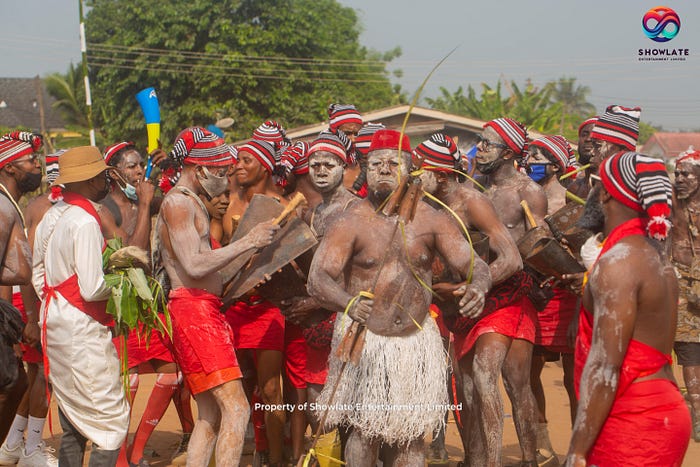
Photo Credit: ShowLate Entertainment Limited
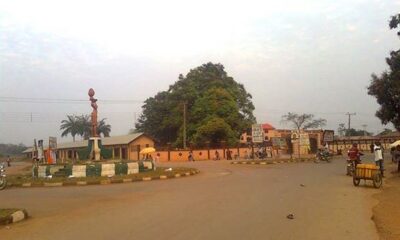
Okazi Festival represents a spectacular event on the cultural calendar in Emii, a close-knit Igbo community in Owerri North, Imo State, in southeastern Nigeria. It is a living memory passed from the elders to the children, from one generation to the next.
Each year, as the old season draws to a close, the people gather to honour their roots, give thanks for survival, and renew the bonds that hold the community together. The festival takes its name from the Okazi leaf, a familiar plant in Igbo homes and kitchens but one that carries deep meaning in Emii history.
At its heart, Okazi Festival tells a quiet but powerful story of endurance. Long before modern conveniences, the ancestors of Emii relied on the land for survival, and the Okazi plant became a symbol of sustenance in times of hardship. What began as gratitude for life and provision grew into a cultural tradition marked by rituals, music, masquerades, and communal feasting. Today, Okazi Festival stands as a reminder that culture is not only preserved in books but lived through shared experiences, spoken words, and collective memory.
This article explores Okazi Festival in full, from its historical origins to its place in present-day Emii society. It looks closely at the people who celebrate it, the traditions that define it, and the values it continues to uphold in a changing world.
Through the story of the Okazi Festival, the cultural heritage of Emii people in Imo State comes into clear view, steady, meaningful, and deeply human.
Who Are the Emii People
The Emii people are an Igbo community rooted in the heart of Owerri North Local Government Area of Imo State with a history that reaches far beyond written records. Their story is preserved mainly through oral tradition, family lineages, and cultural practices that continue to guide daily life. Emii was traditionally made up of ten villages. This structure had shaped its social organization and communal relationships for generations.
Today, these villages exist within three recognized autonomous communities, but yet remain bound by shared ancestry, customs, and identity.
Language, kinship, and tradition form the core of Emii life. The people speak the Owerri dialect of Igbo and share cultural traits common across central Igboland, while maintaining customs that are distinctly their own. Respect for elders, reverence for the ancestors, and strong communal ties are deeply valued. Festivals such as the Okazi Festival are not separate from everyday life. They are extensions of it, moments when history, belief, and community come together in visible and meaningful ways.
Despite the passage of time and the influence of modern life, the Emii people continue to hold tightly to their cultural roots. Traditional institutions still play important roles in community affairs, and cultural events remain powerful tools for teaching values and preserving collective memory.
To understand the Okazi Festival fully, one must first understand the Emii people themselves, a community whose identity is defined by history, sustained by tradition, and expressed through shared cultural life.
Origin and History of Okazi Festival
The origin and history of Okazi Festival are closely tied to the early experiences of the Emii people and their relationship with the land they inhabit. Long before written records, Emii history was preserved through oral accounts passed down within families and among community elders. These accounts speak of a period of great hardship when food was scarce and survival depended on the knowledge of the natural environment. During this time, the Okazi plant, known scientifically as Gnetum africanum became an important source of nourishment for the community.
According to widely shared local tradition, the discovery and use of Okazi during this difficult period was not seen as ordinary. It was understood as guidance from the ancestors, a gift that helped the people to endure and rebuild their lives. In gratitude, the community began to set aside a time to remember this moment of survival. Over time, this remembrance grew into what is now known as Okazi Festival. The festival was never meant to glorify hardship but to honour resilience, collective effort, and gratitude for life.
As generations passed, Okazi Festival became woven into the cultural calendar of Emii. It came to mark the close of the traditional year and the transition into a new cycle. The festival provided a structured moment for thanksgiving, reflection, and communal unity.
While the details of its earliest observances have evolved, its core purpose has remained steady. Okazi Festival serves as a cultural bridge between the past and the present, and reminds the Emii people of where they come from and the shared experiences that continue to bind them together.
Meaning and Symbolism of Okazi
The meaning and symbolism of Okazi go far beyond its use as a leafy vegetable in everyday meals. Among the Emii people, Okazi is remembered first as a source of life. At a time when food was scarce and survival uncertain, the plant provided nourishment and helped to sustain the community. Because of this history, Okazi came to represent gratitude, endurance, and the quiet strength that carries people through difficult seasons.
Culturally, Okazi symbolizes the bond between the people and their environment. It reflects an understanding that survival depends on respect for the land and the knowledge passed down through generations. During the Okazi Festival, the leaf serves as a reminder of ancestral wisdom and the importance of paying attention to the resources around us. Its presence in rituals and communal meals connects present-day celebrations to past experiences that influenced the Emii community.
On a deeper level, Okazi also stands for unity. The plant is not celebrated in isolation but as part of a shared story. When community members gather to honour Okazi, they are acknowledging a collective journey rather than individual achievement.
That way, Okazi becomes a symbol of togetherness, shared memory, and continuity. It ties the people of Emii to their ancestors while guiding them forward as one community rooted in history and sustained by tradition.
Timing and Duration of the Festival
The timing and duration of the Okazi Festival are closely linked to the traditional calendar of Emii people rather than the modern Gregorian system. The festival is usually observed toward the end of the year or at the beginning of a new one, most often between late December and early January. This period is culturally significant, as it marks the close of one cycle and the beginning of another, a time suited for reflection, thanksgiving, and communal gathering.
The exact day of Okazi Festival is traditionally tied to a specific market day known in Emii as Afor Emeohe. Market days hold cultural meaning in Igbo society as they serve as time markers for rituals and communal events. Fixing the festival to this market day ensures continuity and shared understanding across generations. It also allows indigenes living outside Emii to plan their return home, thus making the festival a strong point of reunion for families and the wider community.
While the main celebration often takes place on a single day, activities connected to Okazi Festival may extend over several days. Preparations begin well in advance, with households, age grades, and cultural groups getting ready for rituals, performances, and communal feasting.
In some cases, follow-up visits, greetings, and informal gatherings continue after the central event. Together, these moments give the Okazi Festival its full life span not as a brief ceremony but as a season of cultural connection and shared experience.
Key Rituals and Traditional Practices
The key rituals and traditional practices of Okazi Festival form the backbone of the celebration and give it deeper meaning beyond the festivities. Each activity is carefully observed to honour the ancestors, acknowledge the role of the Okazi leaf, and strengthen communal ties within the Emii people. These rituals are rooted in centuries-old traditions and continue to be passed down through generations.
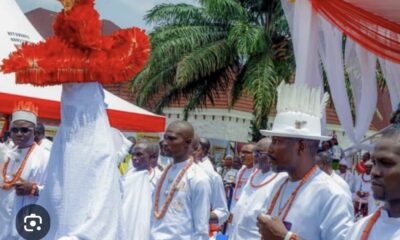
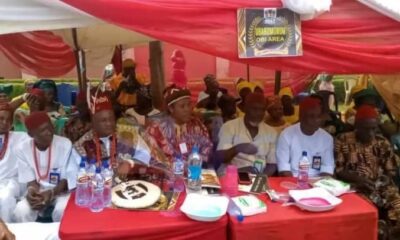
The festival typically begins with thanksgiving rites and prayers led by community elders and traditional leaders. These opening ceremonies involve offering libations to the ancestors and expressing gratitude for protection, provision, and communal harmony. The elders often remind participants of the history behind the festival which emphasizes lessons of resilience, unity, and the importance of respecting cultural heritage.
A central ritual is the blessing of the Okazi leaf which symbolizes sustenance and the community’s survival through hard times. The leaves are prepared and shared among participants to serve as both a spiritual and practical gesture. This act of sharing reinforces a sense of belonging and reminds everyone of the collective story that binds the Emii people.
Masquerade displays are another essential element of the rituals. Dressed in elaborate costumes and masks, the masqueraders perform dances that combine entertainment with cultural storytelling. Each masquerade may represent an ancestral spirit or a moral lesson as they serve as a visual and performative link between the past and the present. These performances are accompanied by traditional music, drumming, and singing which create a lively, immersive atmosphere.
Rituals also include communal feasting where traditional dishes made with Okazi leaves and other local ingredients are shared. This act is not only celebratory but also symbolic as it reinforces communal identity and shared heritage. Through feasting, the elders and younger members of the community come together to passi down knowledge and stories while enjoying a tangible connection to their history.
Finally, the festival often concludes with moments of reflection, reconciliation, and reaffirmation of communal bonds. Conflicts are set aside, and emphasis is placed on unity and peace to ensure that the spiritual and social significance of the festival extends beyond the event itself.
As such, Okazi Festival is both a cultural celebration and a living tradition that continues to guide and connect the Emii people.
Masquerades, Music, and Cultural Performances
Masquerades, music, and cultural performances are among the most vibrant and memorable aspects of Okazi Festival. These elements bring the community together in a shared celebration of history, heritage, and artistic expression. They are not simply for entertainment. More than that, they carry meaning, tell stories, and connect the present generation with their ancestors.
Masquerades take the centre stage during the festival. Participants wear intricately designed costumes and masks that represent ancestral spirits, legendary figures, or moral lessons. Each masquerade has a role and significance, often conveying values such as bravery, wisdom, or community service. Their movements are accompanied by rhythmic drumming, chants, and songs that enhance the storytelling and create an atmosphere charged with energy and cultural resonance.
Music is a vital component of the festival experience. Traditional Igbo instruments, including drums, ogene (metal gongs), and udu (clay drums) provide a rhythmic foundation for dances and ceremonies. Songs often recount historical events, celebrate communal achievements, or eulogize the ancestors, thereby turning the festival into a living archive of Emii culture. Community members join in singing and dancing in a way that create a participatory atmosphere where everyone contributes to the energy of the festival.
Dance performances during Okazi Festival are both artistic and symbolic. Dancers move in coordinated patterns that reflect local traditions, communal unity, and the rhythms of everyday life. These performances offer opportunities for young people to learn traditional movements, while adults and elders demonstrate mastery of cultural expressions.
Together, masquerades, music, and dance transform Okazi Festival into an immersive cultural experience. They provide a sensory link to the past, strengthen social bonds, and ensure that the heritage of Emii people is actively lived, felt, and celebrated.
Communal Feasting and Cuisine
Communal feasting and cuisine are central to Okazi Festival. People come together to share both food and cultural memory. In Emii community, meals are never just about sustenance, they carry meaning, tell stories, and reinforce social bonds. During the festival, traditional dishes are prepared with care, and the Okazi leaf (Gnetum africanum) takes a place of honour in many of these meals.
Feasting begins after the ritual ceremonies and masquerade performances. Elders, families, and neighbours gather to enjoy dishes such as soups enriched with Okazi leaves, yam porridge, and other locally sourced foods. The act of sharing these meals emphasizes community and reminds participants that survival, prosperity, and cultural identity are communal achievements rather than individual ones.
The preparation of food during the festival is itself a cultural practice. Families take pride in presenting dishes that reflect ancestral recipes passed down through generations. Cooking becomes a way of honouring history, teaching the younger members about traditional ingredients, and keeping culinary traditions alive.
Beyond nourishment, the communal feast fosters conversation, storytelling, and reflection. Elders recount historical events connected to the festival while the younger participants listen, ask questions, and engage with their heritage. Food thus becomes a bridge between generations by connecting the past with the present in a tangible and meaningful way.
In Okazi Festival, cuisine is inseparable from culture. It celebrates the abundance provided by the land, the resilience of the community, and the shared experiences that define the Emii people. Through communal meals, participants not only enjoy flavours but also participate in a living tradition that sustains cultural identity.
Social and Cultural Importance
The social and cultural importance of Okazi Festival extends far beyond the lively celebrations, music, and feasting. At its core, the festival serves as a powerful reminder of community, shared history, and collective identity among the Emii people. It is a time when the bonds between families, age grades, and entire villages are renewed, and the values that hold the community together are celebrated openly.
One of the festival’s most significant social functions is promoting unity and reconciliation. During Okazi Festival, disputes are set aside, and people are encouraged to forgive past grievances. The event creates a space where community members can come together in peace. This strengthens relationships and reinforces a culture of mutual respect. This practice contributes to social cohesion and ensures that the community continues to function harmoniously.
Culturally, Okazi Festival is a living classroom. Elders and cultural custodians share stories, perform rituals, and demonstrate traditional practices to the younger members of the community. Through these experiences, the children and youths learn not only about the Okazi leaf and its historical significance but also about broader cultural principles such as respect for elders, gratitude, and the importance of maintaining traditions.
The festival also reinforces a sense of identity. For people of Emii, many of whom live outside the community, returning home for Okazi Festival is an opportunity to reconnect with their roots. It strengthens feelings of belonging and pride in their heritage. Participation in the festival allows individuals to experience a tangible connection to their ancestry and a reaffirmation of the values and history that define them.
In essence, the Okazi Festival functions as a social and cultural anchor for Emii people. It celebrates shared heritage, nurtures communal relationships, and passes cultural knowledge from one generation to the next. Through its rituals, performances, and gatherings, the festival ensures that the Emii community remains united, proud, and deeply connected to its roots.
Okazi Festival in Modern Times
Okazi Festival in modern times has grown beyond a purely traditional celebration to become a cultural event that connects the past with the present. While its origins lie in the ancestral practices of the Emii people, today it attracts not only the locals but also members of the Emii diaspora and visitors from other parts of Nigeria and beyond. This broader participation has helped to sustain the festival and introduced new ways to appreciate its significance.
Modern influences have brought logistical improvements and wider visibility to the festival. Video recordings, social media shares, and online articles allow people who cannot attend in person to witness the celebrations. These digital extensions provide an opportunity for cultural education and awareness while keeping the younger generations engaged with their heritage.
Despite modernization, the core of the festival remains intact. Rituals, masquerades, music, and communal feasting form the heart of the Okazi Festival. However, the festival now often includes organized programmes for returning indigenes such as public speeches, cultural exhibitions, and guided tours of significant sites in Emii. These additions enhance the experience while preserving the traditional values of the festival.
In contemporary Emii society, the festival also provides a platform for cultural pride and community connection. For members living in urban areas or abroad, returning home for the festival is an opportunity to reconnect with family, ancestors, and community. Okazi Festival serves as a bridge between generations, and creates shared memories that reinforce cultural identity while adapting to modern realities.
In essence, Okazi Festival today balances tradition with modern engagement. It remains a living cultural heritage that evolves with time while keeping its foundational purpose intact, which is, to celebrate history, sustain community, and honour the resilience of Emii people.
Economic and Tourism Significance
The economic and tourism significance of Okazi Festival has grown steadily as the event attracts both local and visiting participants. Beyond its cultural and spiritual importance, the festival provides opportunities for commerce, trade, and small-scale entrepreneurship within the Emii community. Visitors come from nearby towns, cities, and even from the Nigerian diaspora in a way that bring increased activity to local markets, food vendors, and service providers.
During the festival period, local businesses such as food stalls, craft sellers, and hospitality services see a boost in demand. Traditional crafts, including woven fabrics, carved masks, and decorative items, are displayed and sold, thus creating income opportunities for artisans. The sale of festival-specific foods, particularly dishes made with Okazi leaves, adds another dimension to the local economy.
Tourism has also benefited from Okazi Festival. Cultural enthusiasts, researchers, and journalists are drawn to Emii to witness the masquerades, music, and communal rituals. These visitors often engage with guides, purchase souvenirs, and participate in cultural experiences which contributes to the economic vitality of the community. The festival’s visibility on social media and online platforms has expanded its reach, thereby encouraging more visitors and fostering cultural tourism in Imo State.
Moreover, the festival creates opportunities for local authorities and community leaders to showcase the Emii heritage. Organized tours, cultural exhibitions, and public presentations help to position Okazi Festival as a sustainable cultural tourism attraction. This way, the festival strengthens both the economy and the cultural identity of Emii, and ensures that tradition and development work together to benefit the community.
By combining celebration with commerce and cultural promotion, Okazi Festival illustrates how heritage events can play a meaningful role in community development while preserving ancestral traditions.
Preservation and Cultural Continuity
Preservation and cultural continuity are central concerns for Emii people as they ensure that Okazi Festival remains meaningful for future generations. While the festival has adapted to modern times, community leaders, elders, and cultural organizations work deliberately to maintain its authenticity. They teach the younger members the significance of rituals, the stories behind the Okazi leaf, and the proper ways to perform dances, masquerade displays, and communal rites.
Efforts to preserve the festival include formal and informal education. Elders use storytelling to pass on history while community gatherings offer practical lessons in traditional music, dance, and ceremonial practices. Cultural clubs, schools, and local youth groups often participate in festival preparations in a way that ensures that children and teenagers are actively engaged rather than passive observers.
Documentation has also become important. Photographs, videos, and written accounts capture the rituals, performances, and feasting that make the festival unique. These records serve both as teaching tools and as a way to share Emii culture with the wider world. Social media and online platforms have helped the younger generations to maintain interest in the festival by connecting them to a heritage that might otherwise seem distant.
Community initiatives also focus on safeguarding intangible cultural elements such as the meaning of Okazi leaf, ceremonial protocols, and ancestral songs. By actively involving everyone from children to adults, the festival remains a living tradition rather than a static event. This approach ensures that the values, knowledge, and pride associated with the Okazi Festival continue to thrive, keeping Emii heritage alive and meaningful in a changing world.
In essence, preservation and cultural continuity are not just about maintaining old practices, they are about keeping the spirit of Okazi Festival alive, teaching new generations, and making sure that Emii people’s shared identity remains strong for years to come.
In Conclusion …
Okazi Festival stands as a vibrant celebration of history, culture, and community for the Emii people of Imo State. It is a living testament to resilience, gratitude, and shared heritage. Through rituals, masquerades, music, and communal feasting, the festival connects generations by teaching the young people about the values, stories, and traditions that have sustained the community for centuries.
Beyond its cultural and social dimensions, Okazi Festival contributes to economic activity and cultural tourism by attracting visitors, boosting local businesses, and creating opportunities for artisans, performers, and food vendors. It demonstrates how cultural heritage can be a source of pride, unity, and community development.
Most importantly, the festival serves as a bridge between the past and the present. It keeps the stories of the ancestors alive while encouraging the Emii people to embrace their identity in a modern world. By participating in the Okazi Festival, individuals reaffirm their connection to their roots, strengthen social bonds, and ensure that the cultural practices, knowledge, and values of the community continue to thrive.
In every song, dance, and shared meal, Okazi Festival reminds the Emii people and all who witness it that culture is living, enduring, and profoundly human. It is a celebration of life, heritage, and the ties that bind a community together.
References
- https://ozikoro.com/okazi-festival-emii-a-celebration-of-heritage-unity-and-tradition-in-imo-state/
- https://culturalkanvas.com/project/okazi-emii-festival-celebrating-unity-tradition-and-the-vibrant-igbo-culture/
- https://emiionlinenews.wordpress.com/2014/07/30/okazi-emii-festival/
You might want to check this out …