History and heritage
Nise Town, Anambra State: A Historical Overview

Nise is a town in Awka South, Anambra State, with verified administrative, educational, and social infrastructure. Explore its geography, institutions, economy, and community life based on reliable records.
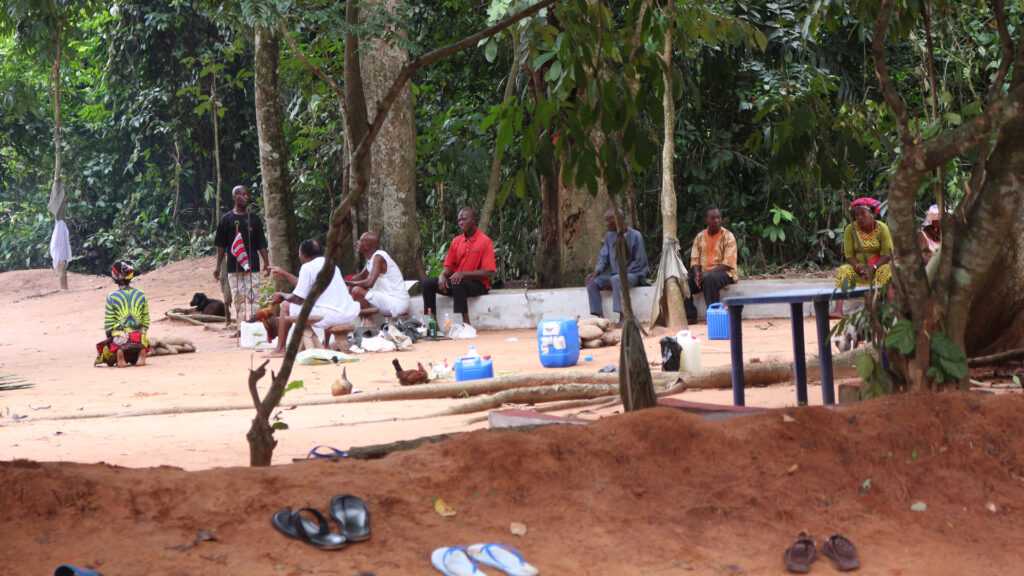
Tucked away in the heart of Awka South Local Government Area in Anambra State, Nise is a town that quietly plays an important role in the region. It may not appear in every history book, but its presence is unmistakable through its schools, health facilities, banks, and the everyday life of its residents.
From bustling markets to roads connecting it with neighbouring towns like Nibo and Umuawulu, Nise is both accessible and deeply rooted in Igbo culture.
While the town does not have a standalone historical record, its identity is verifiable through official documents, government records, and institutional references.
This article explores Nise through a lens of facts and evidence. It looks at its geography, administrative structure, social institutions, economy, and the community life that defines it today.
Readers will get a clear picture of the town as it stands now, without myths or assumptions, and understand why it matters in the broader landscape of Awka South and Anambra State.
Geographic and Administrative Identity of Nise
Nise is one of the recognized towns in Awka South Local Government Area of Anambra State, in southeastern Nigeria. It sits in a region that is both accessible and well-connected, lying just about eleven kilometres from Awka, the State capital. Roads link the town to neighbours like Nibo, Umuawulu, and Mbaukwu, making it easy for residents and visitors to travel in and out of the town.
Administratively, Nise is part of the broader Awka South LGA which was created in 1989 to improve governance and bring local administration closer to the people. Within the LGA, Nise is divided into at least two political wards, commonly referred to as Nise I and II. These wards play an important role in elections, local planning, and community representation, giving residents a voice in the governance of their area.
According to postal and geographic listings for Nise, Awka South, Anambra State, the following are accepted as part of its internal divisions or villages:
- Agbna-Arah
- Isiakpu
- Ngodo
- Obele
- Obunabo
- Obunto-Umuazu
- Umuazu
- Umuenwuze-Arah
- Umuezealo Arah
- Umuezeilo Arah
- Umugbulu
- Umunomo Ngodo
- Umuonyia
These named places represent settlements or quarters that make up the wider town of Nise today. In everyday local usage, its residents typically refer to the larger groupings like Ngodo, Arah, Umuazu, and Isiakpu as the main villages, with the others seen as kindreds, sub-villages, or neighbourhoods within those groupings.
The town also has its own postal code – 420106 which covers its villages and streets. This, along with its recognized wards and proximity to major roads helps to establish it as a structured and identifiable community within Awka South. Its location and administrative recognition make it a vital part of the social, economic, and political landscape of the region.
Historical and Regional Context
When we talk about the history of Nise, it helps to place the town within the wider story of its region as it does not have its own detailed historical record in books or archaeological journals. Instead, the town appears in official and academic sources as part of the larger Awka South Local Government Area (LGA) in Anambra State. These sources help us to understand the environment in which Nise exists today.
Anambra State itself has deep roots that stretch far back in Nigerian history. Archaeological findings from the State, including places like Igbo‑Ukwu, Nri, and Awka have revealed advanced metalwork and cultural complexity in this part of southeastern Nigeria as early as the 9th century AD. These discoveries show that the area that now includes Nise has been part of human settlement and technological development for many centuries.
Awka South LGA was officially created in 1989 from the larger Awka Local Government Area as part of Nigeria’s effort to improve local governance and bring administration closer to the people, and Nise has been part of this administrative structure since that time. The LGA includes nine towns in total, namely, Amawbia, Awka (which is also the capital of Anambra State), Ezinato, Isiagu, Mbaukwu, Nibo, Nise, Okpuno and Umuawulu.
The history of the region goes back long before modern administrative boundaries. Places such as Awka are among the oldest settled areas in Igboland known for specialist crafts such as blacksmithing and metalwork. Awka has been an important settlement for centuries and played a central role in the indigenous technology of the region. While Nise itself is not highlighted in ancient records, it shares the same cultural and historical space as these longstanding communities.
Because of its position in the Awka South LGA, Nise shares its heritage with towns that have grown up alongside each other through pre‑colonial, colonial, and post‑colonial periods. The local government area sits between major urban centres like Onitsha and Enugu which helped to shape its development as an accessible part of southeastern Nigeria.
Essentially, the historical and regional context of Nise is best understood through the historical depth of Anambra State and the administrative evolution of Awka South LGA. The town exists within a region known for long‑established settlement, craft traditions, agricultural production, and social institutions.
While specific historical narratives about the town are not documented in historical texts, the surrounding regional story provides a reliable backdrop against which we can appreciate the its place in history.
Ethnolinguistic Identity
Nise is a town that forms part of the larger Igbo cultural region in southeastern Nigeria. The people are predominantly Igbo-speaking as they share the language, customs, and social practices that are common across Anambra State. This makes it part of the broader Igbo cultural and linguistic heritage which is known for its rich traditions, communal life, and vibrant social structures.
Within Nise, the community is organized into identifiable sections or villages, each with its own local leadership and family lineages. While specific village names and internal arrangements may vary, this structure is typical of towns in Awka South Local Government Area and reflects traditional Igbo settlement patterns. The community functions with a strong sense of collective identity, guided by councils of elders and other local governance structures which play roles in conflict resolution, community planning, and cultural preservation.
Cultural practices in Nise, as in much of southeastern Nigeria include ceremonies, festivals, and social gatherings that mark important stages in life such as births, marriages, and initiations. Although there is no dedicated published research exclusively on its festivals or rituals, Nise participates in cultural expressions consistent with the Igbo region, including respect for ancestral heritage and community-centered social life.
The people of Nise also maintain a strong connection to the land through farming and local trade which are intertwined with cultural identity. Agricultural cycles, market days, and communal work reinforce social bonds and reflect centuries-old Igbo practices that prioritize cooperation and collective responsibility.
In essence, Nise’s ethnolinguistic and cultural identity is inseparable from the Igbo heritage of Awka South, grounded in language, shared customs, communal structures, and traditional social values. This identity continues to define its community life, governance, and social cohesion today.
Culture and Tradition
While Nise does not have standalone historical records detailing its unique festivals or rituals, the town shares in the broader Igbo cultural heritage of Awka South and southeastern Nigeria. This includes values, social norms, and communal practices that have been passed down through generations.
In Nise, communal life is guided by the principles of cooperation, respect for elders, and collective decision-making. Townspeople often organize themselves into village groups or quarters, each with elders who provide leadership and help resolve disputes. This structure reflects centuries-old Igbo traditions of governance and social cohesion that emphasize shared responsibility and mutual support.
Markets and communal gatherings are central to Nise cultural life. Market days are not only economic events but also social occasions where people interact, share news, and strengthen community ties. Such gatherings reflect the traditional Igbo way of balancing work, social interaction, and community bonding.
Religion and culture are closely intertwined in Nise. Churches, especially Catholic and Protestant institutions often host events, festivals, and educational programmes that reinforce communal values. While modern religious practices dominate, they coexist with local customs and reflect the cultural continuity.
Overall, Nise culture and tradition are expressed through its communal values, social structures, market activities, and religious engagement. Even in the absence of detailed historical documentation, the town embodies the patterns, ethics, and social cohesion characteristic of Igbo communities in Awka South and the wider southeastern region.
Landmarks and Places of Interest

Nise is more than a residential town. It hosts several institutions and infrastructure that make it an important hub within Awka South Local Government Area. These institutions provide education, health services, financial support, and administrative functions for both residents and people from neighbouring communities.
Educational Institutions
One of the most prominent institutions in Nise is Federal Government College, Nise. Established by the Federal Government of Nigeria, the school is one of the country’s unity colleges created to promote national integration through secondary education. The presence of this institution has given Nise national visibility and has attracted students, teachers, and civil servants from different parts of Nigeria. Over the years, the college has contributed to local economic activity through employment, housing demand, and commercial services within the town.
Another notable institution is Rosary College, Nise, a boarding school for girls established in 2006 by the Catholic Women’s Organization of the Awka Diocese. The school has become a centre for quality secondary education in the town and surrounding areas.
One other important educational facility is St. Paul’s University Secondary School located along the Nibo‑Nise road. The school provides secondary education for both local and regional students as a reflection of the community’s investment in formal learning.
These institutions highlight the commitment of the town to education and its role as a destination for learning in Awka South.
Government and Examination Services
Nise also serves as an administrative node in the region. The West African Examinations Council (WAEC) maintains a branch office in the town and provides examination services and support to students and schools across Anambra State. This office underscores Nise’s importance in the broader educational landscape.
Financial Institutions
Economic activity in Nise is supported by banking institutions such as Nice Microfinance Bank Nigeria Limited, formerly called Nise Community Bank. Established in the early 1990s, the bank serves small and medium-sized businesses, entrepreneurs, and local traders. Its headquarters in Ngene-Oka Market Square, Ngodo Village reflects the role of the town in supporting commerce and economic growth.
Healthcare Facilities
Access to healthcare is provided through facilities like the Ngodo Nise Health Post, a primary health care centre that delivers essential services, including immunization, maternal health care, and basic treatment. This facility demonstrates the commitment of Nise to the well-being of its residents and surrounding communities.
Roads and Connectivity
Nise’s infrastructure also includes well-connected roads linking the town to Awka, Nibo, and Umuawulu which make transport and trade easier for residents. Its accessibility has contributed to its growth and allowed its institutions to serve a wider population.
In essence, these institutions and infrastructure highlight the role of Nise as more than just a residential area. Its schools, banks, health facilities, and administrative offices make it a hub of education, commerce, and social services in Awka South. These structures reflect the its steady growth and its integration into the broader socio-economic network of Anambra State.
Economy and Community Life
The economy of Nise is closely tied to its people and their daily activities. Like many towns in southeastern Nigeria, agriculture forms the backbone of the local economy. Residents grow crops such as yam, cassava, maize, and vegetables. Farming is often carried out on small to medium-sized plots and is supported by the fertile soils of the region which have historically sustained the community.
Trading and small businesses complement agriculture. Nise has local markets and trading points where people buy and sell farm produce, household goods, and daily necessities. The presence of Nice Microfinance Bank in the town has also encouraged entrepreneurship as it provides small business loans and financial services to traders and residents. This support strengthens the local economy and allows business owners to expand their activities beyond the town.
Community life in Nise is strongly shaped by social networks and shared responsibilities. The town is organized into villages or quarters, and local leaders, including councils of elders play a role in guiding decisions, resolving disputes, and maintaining communal harmony. These structures ensure that social cohesion remains strong and that the community works together to maintain shared resources, such as roads, marketplaces, and communal lands.
Traditional Igbo practices also influence daily life. While formal historical documentation about specific festivals in Nise is limited, the town participates in cultural and religious celebrations common in Awka South and the wider Igbo region. Community events, gatherings, and market days are not only economic activities but also occasions for strengthening social bonds and fostering a sense of belonging among residents.
In addition, education and religion are key parts of community life. Schools like Rosary College and churches serve as centres for learning and social interaction that bring people together for shared activities and community development. These institutions also create jobs, further contributing to the economic and social vitality of the town.
Ultimately, the economy and community life of Nise are intertwined. Farming, trading, and local entrepreneurship form the economic foundation while strong social structures, education, and community engagement sustain cultural identity and cohesion. The town thrives because of both the resourcefulness of its people and the institutions that support them.
Religion and Social Services
Religion plays a central role in the life of Nise. The town is predominantly Christian, with a mix of Catholic and Protestant denominations present. Churches serve as both places of worship and centres for social engagement, education, and community support. For example, Rosary College, established by the Catholic Women’s Organization of the Awka Diocese illustrates how religious institutions in Nise contribute to both spiritual life and formal education.
Churches in Nise are actively involved in community development projects. They provide spaces for meetings, youth programmes, and adult education, often supporting literacy initiatives and skill acquisition for residents. Religious organizations also play a part in fostering moral guidance and social cohesion, thus encouraging collaboration among families and village groups.
Alongside religious influence, Nise has social services infrastructure that ensures the well-being of residents. The Ngodo Nise Health Post is the primary healthcare facility in the town that offer essential services such as immunization, maternal care, basic treatment, and health education. This facility demonstrates the commitment of the town to public health and community welfare.
Financial and economic services are also part of social support. Nice Microfinance Bank Nigeria Limited located at Ngene-Oka Market Square provides microloans, savings programmes, and other banking services to local residents. This enables entrepreneurship, supports small businesses, and empowers families to invest in education, health, and livelihoods.
Together, religious institutions and social services create a network of support that strengthens community life in Nise. They contribute to social cohesion, provide essential services, and enhance quality of life, thereby reflecting the integrated approach to spiritual, social, and economic well-being.
Notable People from Nise
Although Nise is a smaller town within Awka South Local Government Area, it has produced individuals who have made meaningful contributions to education, religion, and public service in the region. These notable figures reflect its emphasis on learning, community development, and civic engagement.
Bishop Alexander Chibuzo Ibezim is a Nigerian Anglican bishop born in the Nibo-Nise area of Anambra State. He has served in various leadership roles within the Church of Nigeria and is recognized for his ecclesiastical contributions.
Collette Nwadike is a Nigerian model and beauty queen whose family roots are in Nise, Awka South LGA. She won Miss Tourism Nigeria and Exquisite Face of the Universe, and has worked in television and as a cultural ambassador for her home State.
Clef Nite (Victor Chukwunonso Nite Jnr.) is a Nigerian-born musician known for his work as a guitarist and music producer. His father is cited as a citizen of Nise which links him to the community.
In a town like Nise, where community cohesion is highly valued, notable people are often recognized not just for public titles but also for contributions that improve the everyday lives of residents. Their achievements provide inspiration for younger generations and represent the town’s values of education, service, and civic responsibility.
In Conclusion …
Nise is a town that may not appear prominently in history books, but it holds a significant place in the Awka South Local Government Area of Anambra State. Its identity is rooted in verifiable administrative records, educational institutions, healthcare facilities, financial services, and the daily lives of its residents.
From its role in education through schools like Federal Government Collge, Rosary College to its economic contribution via markets and Nice Microfinance Bank, Nise demonstrates a balance between tradition and modern development.
The culture, social cohesion, and community networks reflect the wider Igbo heritage of southeastern Nigeria. Religious institutions, local leadership, and civic participation all contribute to a strong sense of belonging among residents. While historical documentation specifically about Nise is limited, its verified infrastructure, economy, and social systems provide a reliable understanding of its place in the region.
In essence, Nise is both a geographic location and a living community shaped by its people, their work, and the institutions that serve them. Exploring the town through facts and evidence allows us to appreciate its role in Awka South and its contribution to the broader story of Anambra State. This town is a reminder that even smaller communities play vital roles in the social, economic, and cultural fabric of Nigeria.
References
- https://anambrastate.gov.ng/
- https://anambrastate.gov.ng/local-government/awka-south
- https://postcodes.naijaz.com/directory/states/anambra/lgas/awka-south/ruralAreas/nise/villages
- https://postcodes.naijaz.com/postcode/420106
- https://www.britannica.com/topic/Igbo
- https://www.nigerianjournalsonline.com/
- https://awkacity.blogspot.com/2013/03/awka-south-lga-it-was-created-in-1989.html
You might want to check this out …