





History and heritage
Mgbakwu Town, Anambra State: History, Culture and Key Things to Know

Mgbakwu is a town in Anambra State known for its rich history, vibrant culture, and strong community spirit. Explore its geography, people, festivals, economy, education, landmarks, and notable residents.
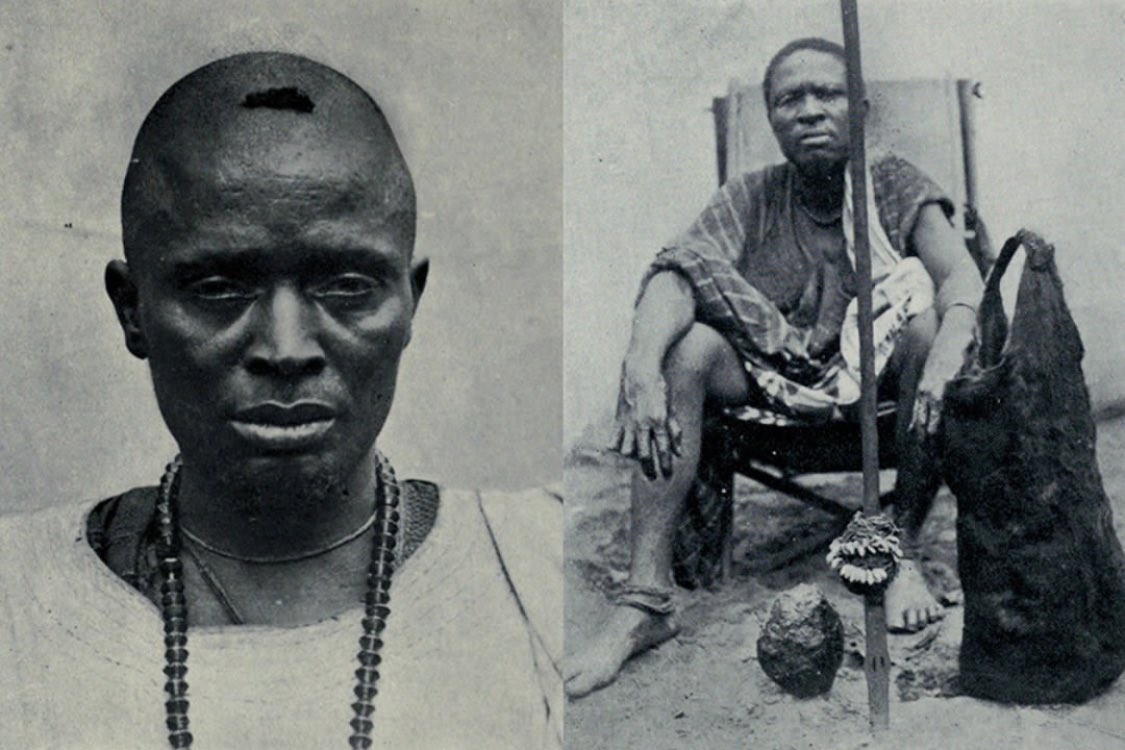
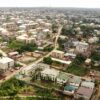
Mgbakwu is a town in Awka North Local Government Area of Anambra State, Nigeria with a quiet strength that comes from deep community roots and everyday life influenced by tradition. Like many Igbo towns in southeastern Nigeria, Mgbakwu may not appear often in national headlines, yet it plays an important role within its local environment.
The town is known for its farming heritage, strong communal ties, and the presence of key institutions that serve both residents and neighbouring communities.
Situated just north of Awka, the Anambra State capital, Mgbakwu represents a blend of rural life and gradual development. Its people value family, culture, and education while maintaining close links to their land and history.
From its geography and economy to its cultural practices and modern challenges, Mgbakwu offers a clear picture of life in an Awka North community today.
This article takes a calm, factual look at Mgbakwu, exploring its history, culture, and key things to know.
Location and Geography of Mgbakwu
Mgbakwu is a town in Awka North Local Government Area of Anambra State, Nigeria situated in the southeastern part of the country. It lies just north of Awka, the State capital which makes it easily accessible while still maintaining a distinct community identity. The town shares borders with neighbouring communities – Ifite Awka to the east, Ebenebe to the north, Isu-Aniocha to the west, and Okpuno to the south.
The landscape of Mgbakwu is typical of the southeastern rainforest zone with fertile soil that has supported farming for generations. Rolling fields and patches of natural vegetation create a serene rural setting. Rainfall is abundant with the rainy season stretching from April to October and the dry season from November to March. This climate has forged the agrarian lifestyle of the town while influencing everything from planting schedules to local festivals.
Despite its rural charm, Mgbakwu benefits from its proximity to Awka and other neighbouring towns as it allows residents to engage in trade, education, and other economic activities beyond farming.
The geography of Mgbakwu has also influenced settlement patterns which see families and villages typically clustered around farmlands, roads, and community centres, thus creating a strong sense of neighborhood and cohesion.
Historical Background
According to oral history, Mgbakwu traces its origins to a legendary figure named Abogu, a renowned hunter whose story is deeply tied to the early settlements in the region. Abogu is said to have founded not only Mgbakwu but also neighbouring towns following a lineage-based migration pattern typical of early Igbo communities.
Abogu, longing for male heirs to continue his lineage named his first son Mgbakwu. His other sons were Nteje and Ukwulu. The three sons lived together with their father and worshipped their ancestral earth deity, Aja-ana, while maintaining a shared compound that formed the heart of the early settlement.
After the death of Abogu, Mgbakwu inherited the main compound and had seven sons who went on to establish the villages that collectively make up the modern town. Meanwhile, his other sons migrated to different areas. Nteje settled in the Anambra river basin and Ukwulu moved toward the Aguata axis. This migration pattern created a network of towns that, while historically connected, developed unique cultural identities.
Historically, Mgbakwu operated under a system of autonomous villages, each governed by elders and traditional leaders. The lineage system structured social organization with families and clans playing critical roles in governance, conflict resolution, and community decision-making.
Farming and trading were the main occupations that formed the backbone of the local economy. Crops like yam, cassava, maize, and vegetables were central to both sustenance and trade, and the residents participated in regional exchanges that included agricultural produce, palm oil, and crafts.
During the British colonial era, the town, like many Igbo communities was incorporated into colonial administrative systems which influenced traditional leadership structures. Despite these changes, the town retained its cultural heritage and lineage-based social organization.
In the modern era, Mgbakwu has adapted to educational and economic development. The presence of institutions like Anambra State Polytechnic, Mgbakwu, along with local markets and community organizations has forged the town into a hub for learning, trade, and civic engagement. Traditional customs continue to coexist with modern governance structures to reflect its ability to preserve its heritage while embracing progress.
People and Language

The people of Mgbakwu are predominantly Igbo, one of Nigeria’s largest ethnic groups known for their rich culture, industrious nature, and strong sense of community. Like many towns in Awka North Local Government Area, the population is closely connected through family lineages, village networks, and communal associations. These connections form the backbone of social life in the town and influence everything from festivals to local decision-making.
The primary language spoken in Mgbakwu is Igbo which is used in daily conversations, community events, and cultural ceremonies. English is also widely understood, particularly in schools, official matters, and communication with neighbouring towns and the Sttate capital, Awka. This bilingual environment helps residents to balance local traditions with modern educational and professional opportunities.
Religion plays an important role in the culture of the town. Christianity is the dominant faith, with churches serving not just as places of worship but also as centres for community gatherings, youth programmes, and social support. Despite the prevalence of Christianity, elements of traditional Igbo culture such as respect for elders, communal decision-making, and participation in seasonal festivals remain strong in Mgbakwu.
The population is estimated to be around 10,000 residents based on local sources and demographic estimates for semi-urban communities in Awka North. Residents are primarily engaged in farming, trading, education, and small businesses with many younger people pursuing higher education in institutions like Anambra State Polytechnic, Mgbakwu.
These economic and educational opportunities contribute to a community that is both culturally grounded and gradually evolving with modern influences.
Villages and Community Structure
Mgbakwu is composed of several villages and neighbourhoods, each with its own families, leadership structures, and communal responsibilities. Like many Igbo towns, the community is organized in a way that promotes cooperation, mutual support, and a strong sense of belonging. Villages form the foundation of social life where families work together on farming, local projects, and cultural events.
The following villages are recorded to be within Mgbakwu – Amankpu, Amanwanyi, Amazike, Amede, Umuotulu, Uruonwu. These villages maintain their own traditions and customs while contributing to the overall identity and governance of Mgbakwu. Families within the villages often belong to extended lineages that create networks of support and shared responsibilities.
Community life in Mgbakwu is highly collaborative. Villagers come together for communal farming, market days, and festival preparations, thus reinforcing social cohesion. Local decisions are often made collectively with input from village heads, elders, and representatives of age grades to ensure that every section of the town has a voice.
The town union system also plays a critical role in the community structure. Through organizations like the Mgbakwu Progressive Union, residents coordinate development projects, infrastructure improvements, and educational initiatives. These unions often include leadership committees for both men and women that allow different groups within the town to participate actively in community growth and planning.
Overall, the village and community structure in Mgbakwu mirrors a balance between traditional organization and modern governance and creates a sense of continuity that accommodate growth, education, and development.
Traditional Governance
In Mgbakwu, traditional governance has long played a central role in community life as it complements modern administrative structures. The town follows the typical Igbo model where authority and decision-making are shared among village heads, councils of elders, and age-grade associations. These structures help to maintain social order, resolve disputes, and preserve cultural values.
Village heads serve as the first point of leadership in each village. They are usually respected elders chosen for their wisdom, experience, and knowledge of local customs. Their responsibilities include overseeing land matters, guiding community projects, and representing their village in town-wide discussions.
The council of elders is a crucial component of governance in Mgbakwu. This group consists of senior, respected members from different families and villages who deliberate on important community issues. Their guidance influences decisions on festivals, land disputes, inheritance matters, and enforcement of cultural norms.
Age grades are another vital part of the governance system. These are groups of individuals of similar age who work together to implement development projects, maintain communal facilities, and support the welfare of their members. Age-grade groups also play important roles in organizing social events and festivals, and reinforcing cohesion and shared responsibility.
In addition to these traditional structures, Mgbakwu participates actively in the town union system. Organizations like the Mgbakwu Progressive Union coordinate community development, liaise with government authorities, and promote initiatives in education, infrastructure, and social welfare. These unions often have committees for both men and women that ensure that diverse perspectives are included in planning and decision-making.
The mix of traditional and modern governance in Mgbakwu ensures that the town maintains its cultural identity while engaging effectively with formal governmental systems. This dual structure has helped the community to navigate development, education, and social cohesion while respecting ancestral customs.
Culture and Way of Life
The culture of Mgbakwu portrays the rich traditions of Igbo people which emphasize community, family, and shared responsibility. Life in the town revolves around relationships, cooperation, and respect for elders. These values shape daily interactions, celebrations, and even work patterns, and create a sense of belonging and continuity across generations.
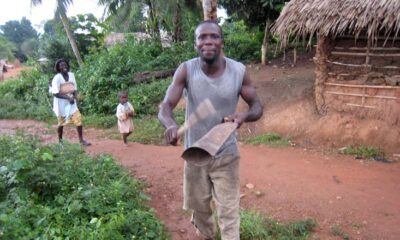
Agriculture remains central to the way of life. Most households engage in farming, growing crops like yam, cassava, maize, and vegetables. Planting and harvest seasons are not just economic activities, they also guide social rhythms, festivals, and communal work. Families and neighbours often come together during these periods to help one another and strengthen communal bonds.
Markets and trading are also key to life in Mgbakwu. Local markets provide residents with opportunities to sell farm produce, buy goods, and interact socially. Market days are social events where news is exchanged, relationships are maintained, and local culture is displayed.
Education has increasingly shaped daily life in Mgbakwu. With institutions like Anambra State Polytechnic, Mgbakwu, many young people attend school locally while others pursue further education in nearby towns and cities. This integration of learning into community life has introduced new perspectives, skills, and opportunities while maintaining respect for traditional practices.
Religious practices influence culture as well. Christianity is the dominant faith, and churches play a role in guiding morals, supporting social programmes, and organizing community initiatives. Despite the Christian influence, traditional customs remain visible in cultural ceremonies, communal work, and festivals and create a balance between faith and heritage.
Social organization in Mgbakwu also includes age grades, village groups, and town unions, which structure participation in community projects, festivals, and governance. These systems reinforce collective responsibility that ensures that development and cultural preservation are shared efforts.
Overall, life in Mgbakwu is a blend of traditional Igbo values, agrarian rhythms, educational growth, and evolving modern influences that creates a warm and cohesive community where cultural identity and progress coexist.
Festivals and Celebrations
Festivals in Mgbakwu are vibrant expressions of its culture, history, and community spirit. Like many Igbo communities, the town observes seasonal and cultural celebrations that bring residents together to honour traditions, give thanks, and strengthen social bonds.
One of the most significant celebrations is the New Yam Festival locally known as Iri Ji or Iwa Ji. This festival marks the end of the farming season and the beginning of yam harvest. It is a time for families to gather, offer thanks for the harvest, and share food with neighbours. Ceremonies often include traditional dances, music, and symbolic rituals that honour the ancestors and the land. The festival reinforces communal identity and reminds residents of the town’s agrarian roots.
Masquerade performances are another important part of the cultural calendar. These masquerades, known locally as Mmanwu feature masked dancers who perform during festivals, ceremonies, and social gatherings. They represent spiritual and ancestral figures, entertain audiences, and communicate moral lessons. Masquerade events also provide opportunities for intergenerational interaction that allow elders to pass down stories and cultural knowledge to the younger members of the community.
Community meetings, market days, and age-grade activities often coincide with festival periods to create a lively atmosphere throughout the town. Other informal celebrations such as weddings, naming ceremonies, and milestone birthdays are also observed with traditional music, dance, and feasting, thus reflecting the emphasis on family, unity, and shared experiences.
Overall, festivals and celebrations in Mgbakwu are both entertainment and cultural touchstones that preserve heritage, encourage social cohesion, and connect residents to the land, ancestors, and each other.
Economy and Occupation
The economy of Mgbakwu is largely agrarian which is a reflection of its fertile land and the traditional livelihoods of its residents. Farming forms the backbone of life in the community with crops such as yam, cassava, maize, and vegetables being the most commonly cultivated. Both subsistence and commercial farming are practiced in order to supply local markets and, in some cases, neighbouring towns. The reliance on agriculture has informed the daily routines, seasonal activities, and cultural celebrations of the town.
In addition to farming, many residents engage in trading and small businesses. Market days provide opportunities for the sale of farm produce, household goods, and artisanal items. Trading in Mgbakwu is both a livelihood and a social activity, as it allows people to connect, share news, and maintain community ties.
Education has also contributed to the local economy. With the presence of Anambra State Polytechnic, Mgbakwu, students, staff, and visitors bring economic activity to the town. Housing, transportation, food services, and retail benefit from the presence of the polytechnic through the creationof jobs and stimulation of small businesses.
Some residents are employed in services, education, and public administration and work in nearby towns or commuting to Awka, the State capital. Others have taken advantage of urban connections to engage in professional roles while maintaining ties to their family farms and village networks.
The economy of Mgbakwu represents a balance between traditional livelihoods and modern opportunities where agriculture remains central, but education, trade, and services increasingly define the development of the town and the daily lives of its residents.
Education
Education is highly valued in Mgbakwu, and the town has become an important centre for learning within Awka North Local Government Area. The most notable institution is the Anambra State Polytechnic, Mgbakwu which was upgraded from the former Anambra State College of Agriculture in 2017.
The polytechnic offers a variety of technical and vocational programmes that attractu students from across Anambra State and neighboring regions. Its presence has significantly influenced the town, bringing a younger population, skilled educators, and economic activity tied to student life.
In addition to the polytechnic, Mgbakwu is served by primary and secondary schools that provide foundational education for children in the community. These schools ensure that residents have access to formal education locally which has helped to raise literacy levels and prepare young people for further studies.
The emphasis on education in Mgbakwu is reflected not only in institutional structures but also in the community’s culture. Parents actively support their children’s schooling, and community leaders encourage initiatives that improve learning environments such as school renovations and scholarships. This focus on education has also contributed to the development of the town as graduates often return to Mgbakwu or nearby towns with skills that enhance local economic and social projects.
Overall, education in Mgbakwu serves as a bridge between traditional life and modern opportunities that empower residents while reinforcing community cohesion and growth
Landmarks and Places of Interest

Mgbakwu may be a quiet town but it has landmarks and institutions that make it significant within Awka North Local Government Area. One of the most prominent landmarks is Anambra State Polytechnic, Mgbakwu which serves not only as an educational hub but also as a centre for community engagement and local events. The campus attracts students, educators, and visitors, making it one of the busiest parts of the town.
Another important landmark is Purity FM 102.5 MHz, a radio station owned by the Federal Radio Corporation of Nigeria. The station broadcasts in English and Igbo and cover news, music, and cultural programmes relevant to Mgbakwu and surrounding communities. It is a central point for information dissemination and community connection that give residents a voice in regional affairs.
In addition to these institutions, Mgbakwu features community centres, churches, and local markets which act as hubs for social, cultural, and economic activity. Markets provide spaces for trade and interaction while churches host community programmes and support networks. Some traditional sites such as the areas used for masquerade performances and New Yam Festival celebrations also hold cultural significance and are visited during major events.
Although Mgbakwu does not have widely publicized tourist attractions, its landmarks are integral to its identity as they serve as centres of education, communication, culture, and community life. These places of interest highlight unique blend of tradition, development, and community engagement.
Modern Development and Infrastructure
Mgbakwu is evolving with improvements and challenges in infrastructure. According to the official Awka North Local Government website, there have been ongoing efforts to improve public services for residents, including the rehabilitation of the Mgbakwu Water Scheme to provide clean water to several villages.
Despite these efforts, communities in Awka North, including Mgbakwu have faced infrastructure challenges over the years. Poor road conditions, especially during the rainy season have been a recurring issue that affect the ability of the farmers to transport produce to markets at competitive prices. These challenges mirror the broader experience of many rural and semi-urban areas in the region.
Several environmental and social events have affected Mgbakwu in recent years. In 2025, residents appealled to government authorities due to flooding that damaged homes and farmland in parts of the community, displacing families and destroying land. The flooding was attributed to inadequate drainage and lack of planning, and government representatives acknowledged the situation.
There was also a widely reported security-related incident in 2025 in Amaeze village, Mgbakwu where a woman was killed by a stray bullet during a security operation. The event sparked community concern and led to a government investigation.
In Conclusion …
Mgbakwu is a town that embodies the charm, resilience, and cultural richness of southeastern Nigeria. From its fertile lands and agrarian lifestyle to its strong community bonds and evolving educational landscape, the town mirrors a balance between tradition and modernity. Residents maintain deep respect for cultural values while embracing opportunities brought by institutions like Anambra State Polytechnic, Mgbakwu, and local development initiatives.
The village and community structures, traditional governance systems, festivals, and markets all reinforce social cohesion and collective responsibility. Notable residents, such as leaders of the Mgbakwu Progressive Union, demonstrate the commitment of the town to progress, civic engagement, and empowerment.
Although Mgbakwu may not be widely known on a national scale, its story is an important reminder of the richness found in local communities across Nigeria. It is a town where history, culture, education, and community spirit come together, and offer both residents and visitors a meaningful connection to Igbo heritage and contemporary development.
Whether you are exploring the landmarks, participating in its festivals, or learning about its people, Mgbakwu provides a window into a community that values tradition, embraces education, and continues to grow with purpose.
References
- https://www.medianigeria.com/list-of-towns-and-villages-in-awka-north-anambra-state/
- https://www.inecnigeria.org/wp-content/uploads/2019/02/PU_Directory_Revised_January_2015_Anambra.pdf
- https://ozikoro.com/a-short-history-of-mgbakwu/
- https://en.wikipedia.org/wiki/Awka_North
- https://www.city-facts.com/mgbakwu/population
You might want to check this out …