



Festivals & Events in Nigeria
Calabar Carnival: The Ultimate Guide to Nigeria’s Biggest Street Carnival

Calabar Carnival is Nigeria’s biggest street festival, held every December in Cross River State, featuring vibrant parades, cultural performances, travel tips, band competitions, and its powerful tourism impact.
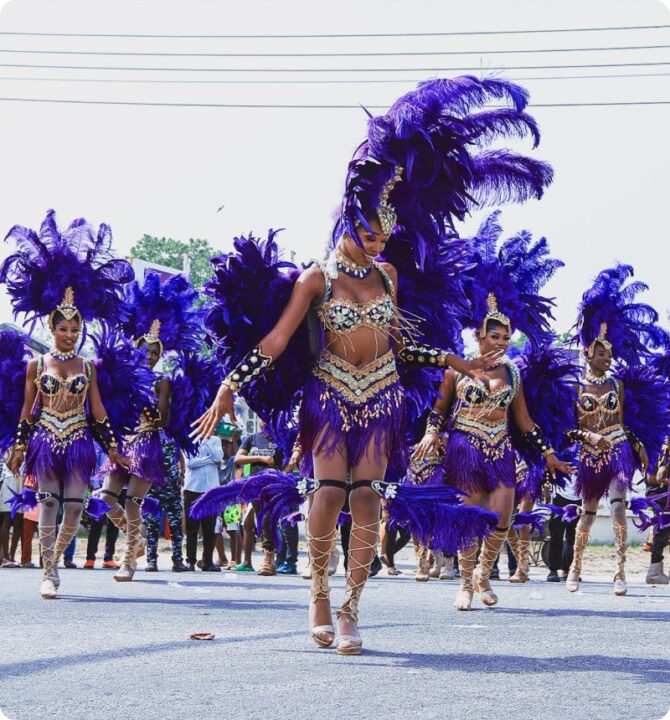
Every December, the Calabar Carnival transforms the historic city of Calabar into a spectacular celebration of culture, music, and creativity. The streets fill with energetic parades, intricate costumes, and vibrant performances that draw visitors from across Nigeria and around the world. The excitement is palpable long before the first parade. As the artisans are busy crafting elaborate outfits, hotels fill up with eager travellers, and the city hums with anticipation.
What started as a local initiative to unite the community has grown into Nigeria’s biggest street carnival and one of Africa’s most celebrated cultural events. Each year, hundreds of thousands of people gather to witness performances that honour Nigerian heritage, inspire creativity, and leave lasting memories.
In this guide, you will explore the history, parade highlights, cultural experiences, travel tips, and everything that makes the Calabar Carnival a festival worth experiencing, at least, once in a lifetime.
Meaning of Calabar Carnival
The Calabar Carnival is Nigeria’s biggest street festival and one of the most vibrant cultural celebrations in Africa. Every December, the city of Calabar, the capital of Cross River State changes into a colourful stage where music, dance, and creativity come alive. The streets, parks, and public spaces fill with performers, spectators, and tourists, all drawn to the energy and spectacle of the festival.
Primarily, the carnival is a celebration of culture, creativity, and community. It features elaborate parades with themed costumes, choreographed dances, live music, and competitions between five main carnival bands: Seagull, Passion 4, Masta Blasta, Bayside, and Freedom. Each band tells a story through its performance, with fantastic costumes and captivating choreography that reflect the yearly theme of the festival.
More than just entertainment, the event is a tourism powerhouse that attracts visitors from across Nigeria and around the globe. From families seeking fun to culture enthusiasts exploring African traditions, the carnival offers an immersive experience that blends modern festivity with rich local heritage. Visitors witness not only dazzling performances but also the warmth of Calabar people and the creativity of artisans who spend months preparing for the festival.
In essence, Calabar Carnival is a festival that celebrates life, culture, and community while giving visitors a chance to experience the heart of Nigerian festivity.
History and Origins
The Calabar Carnival has its roots in both local tradition and modern vision. While cultural celebrations in Calabar existed for centuries, the organized carnival we see today began in 2004 under the leadership of the then-Governor, Donald Duke. His goal was to boost tourism, showcase the rich heritage of Cross River State, and create a festival that could rival the biggest cultural events in Africa.
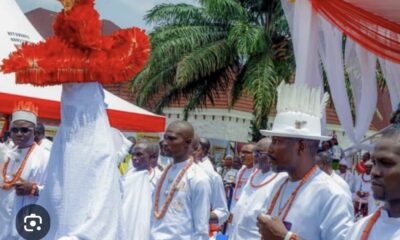
Calabar itself has a long history of dazzling festivals and community celebrations. The Efik people who are indigenous to the region have celebrated harvests, rites of passage, and cultural milestones for generations. These traditional festivities inspired the modern carnival which combines heritage, storytelling, and entertainment on a grand scale.
When it started, the modern carnival was modest but it quickly grew in size and scope. Each year, the festival adopted a new theme to give the participants creative freedom to design costumes and performances that tell unique stories. Past themes have included Climate Change, Humanity, Agro-Industrialization, and Traces of Time, all reflecting social issues, culture, and creativity.
Over time, the Calabar Carnival became a symbol of cultural pride for Nigeria. It transformed into a festival that not only entertains but also attracts hundreds of thousands of visitors, supports local artisans, and boosts the economy. What started as a local initiative has evolved into an international celebration that highlights the vibrancy, talent, and ingenuity of Nigerian culture.
When and Where Calabar Carnival Takes Place
The Calabar Carnival takes place every December, and turns the city into a lively festival hub for the holiday season. The celebration often spans the entire month, with different events scheduled throughout December to give visitors multiple opportunities to join in the fun. This timing aligns with the Christmas and New Year festivities. This makes Calabar a popular destination for both local and international tourists.
Calabar, the capital of Cross River State serves as the stage for this epoch event. Streets, parks, and public squares throughout the city host parades and performances. Major venues include Millennium Park and UJ Esuene Stadium where competitions, music concerts, and cultural exhibitions take place. The entire city participates, with hotels, restaurants, and local businesses joining the celebration to create a warm and welcoming atmosphere for visitors.
Each year, the carnival committee publishes a detailed programme showing dates, routes, and times for parades and events. While the street parades move through the main city roads, other themed performances such as the children’s carnival, bikers’ parade, and cultural dances happen at designated parks and stadiums. This arrangement allows visitors to plan their attendance based on their interests, whether they want to see the colourful parades, enjoy live concerts, or participate in family-friendly activities.
Essentially, December in Calabar is a time of vibe, joy, and cultural celebration. The combination of lively streets, scenic venues, and the welcoming spirit of the city makes the Calabar Carnival a unique experience that attracts visitors from across Nigeria and around the world.
Carnival Bands, Costumes, and Parade Highlights

One of the most exciting parts of the Calabar Carnival is the parade where creativity, music, and dance come together in a spectacular display. Central to this are the carnival bands that compete to deliver the most impressive performance. There are five major bands in the festival, namely, Seagull, Passion 4, Masta Blasta, Bayside, and Freedom. Each band has its unique style and loyal following, and they spend months preparing elaborate costumes and rehearsing their routines.
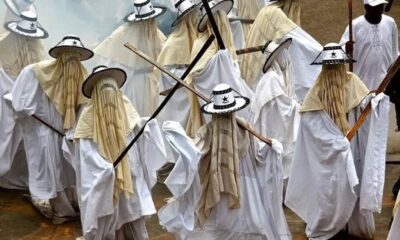
The costumes are a highlight on their own. Designed around the carnival’s yearly theme, they are often colourful, detailed, and inspired by stories, social issues, or cultural motifs. Performers bring these costumes to life with choreography that matches the theme to create a moving canvas of culture and creativity. From sparkling headdresses to intricately patterned outfits, every detail adds to the spectacle.
During the parade, the streets fill with music, cheers, and excitement. Each band marches through the city dancing in synchronized formations while musicians provide live accompaniment. Spectators line the roads and capture photos and videos, clap along, and enjoy the energy. The competition is friendly but fierce as the judges award points for performance, creativity, and adherence to the theme. Winning a carnival band competition is a mark of prestige and pride for both the participants and their supporters.
Beyond the bands, there are also smaller parades and cultural displays, including children’s carnival, bikers’ carnival, and traditional dances from local communities. These events add variety to the festival and provide opportunities for everyone, from young children to skilled performers, to be part of the celebration.
The combination of elaborate costumes, energetic performances, and vibrant streets is what makes the Calabar Carnival not just a festival but a living experience of Nigerian culture. Visitors often describe it as a feast for the senses where music, dance, and visual artistry come together in a way that is both joyful and unforgettable.
Things to Do and See at the Carnival

The Calabar Carnival offers much more than parades and music. Visitors can immerse themselves in a wide range of activities that make the festival lively, diverse, and unforgettable. Whether you are a first-time tourist, a local family, or a culture enthusiast, there is something for everyone to enjoy.
Cultural Performances
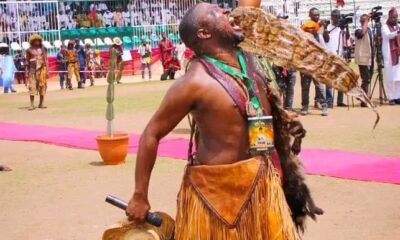
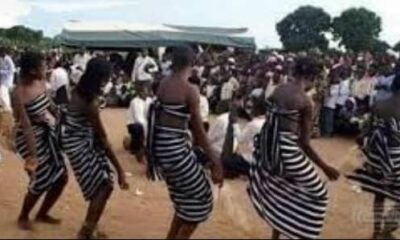
One of the main attractions is the cultural carnival which showcases traditional African dances, music, and storytelling. Performers from different ethnic groups present colourful and energetic routines that highlight local heritage. Watching these performances gives visitors a sense of the history and artistic creativity of the region.
Children’s Carnival
The festival also includes a children’s carnival designed to allow young performers to experience the joy of the celebration. Kids dress in smaller versions of the elaborate costumes, participate in parades, and perform dances on stage. It’s a family-friendly part of the carnival that encourages creativity and cultural appreciation from an early age.
Bikers’ Carnival
For those who enjoy speed and excitement, the bikers’ carnival features groups of motorcyclists riding in formation through the city streets. This parade adds a thrilling dimension to the festival by combining skill, style, and entertainment.
Music Concerts
Live music is a major feature of the carnival. Both local Nigerian artists and international performers take the stage to entertain festival-goers. From Afrobeat rhythms to high-energy performances, the music adds to the celebratory atmosphere of the festival and keeps the streets and stadiums alive with dancing and singing.
Beauty Pageants and Fashion Shows
Visitors can also enjoy beauty contests and fashion shows which often coincide with the carnival. These events highlight talent, creativity, and style, and give the performers the chance to shine while adding variety to the festival experience.
Food and Arts
The Calabar carnival is also a feast for the senses in more ways than one. Local food vendors offer traditional Nigerian dishes, snacks, and beverages that give the visitors a taste of Calabar’s rich culinary heritage. Artisans sell handmade crafts, souvenirs, and carnival-themed items. This provides opportunities to support local creativity and take home a piece of the celebration.
Boat Regattas and Cultural Exhibitions
Some editions of the Calabar carnival include boat regattas and cultural exhibitions that show another side of the traditions and natural beauty of Calabar. These events combine entertainment with education, and allow visitors to explore the waterways, heritage, and community life of the region.
Attending the Calabar Carnival is a full sensory experience. Between the dazzling parades, energetic performances, music, food, and arts, there is always something new to see and do. Visitors often leave with unforgettable memories, photos, and stories that capture the essence of Nigeria’s biggest street festival.
Travel Tips for Attending Calabar Carnival
Attending the Calabar Carnival is an exciting experience but a little planning can make it even more enjoyable. Whether you are visiting from another city in Nigeria or from abroad, these travel tips will help you make the most of your time at the festival.
Plan Your Travel Early
December is a busy month in Calabar. Flights and buses fill quickly, and hotels book months in advance. Booking your tickets early ensures you get the best travel options and avoids last-minute stress.
Choose the Right Accommodation
Calabar offers a range of accommodation, from hotels and guesthouses to lodges and short-term rentals. Staying close to the parade routes or major venues like Millennium Park and UJ Esuene Stadium can save travel time and give you easy access to the main events.
Plan for Transportation to and in the City
Calabar is accessible by air through the Margaret Ekpo International Airport, and the city also has road connections to nearby states. Within the city, taxis, ride-hailing services, and local transport can help you move between events, hotels, and attractions. Planning your routes ahead of the Calabar Festival makes it easier to enjoy multiple events in one day.
Pack Essentials
December in Calabar is generally warm and humid. Light clothing, comfortable walking shoes, sun hats, sunglasses, and sunscreen are essential. Bring a small backpack for water, snacks, and any personal items you may need while moving through the crowded streets.
Budget for the Calabar Carnival
While many street parades are free to watch, some shows and concerts may require tickets. Budget for food, souvenirs, transportation, and optional experiences like VIP seating or guided tours. Local vendors offer authentic Nigerian snacks and drinks that give the visitors a taste of Calabar culinary culture.
Stay Safe and Enjoy Respectfully
The carnival is usually crowded. So, keeping an eye on personal belongings and being mindful of surroundings is important. Respect performers and fellow attendees, and follow any rules or instructions from organizers. A positive attitude and awareness make the experience enjoyable for everyone.
With these tips in mind, experiencing the Calabar Carnival can be smooth, safe, and full of memorable moments. From parades to concerts, every part of the festival becomes easier to navigate when you plan ahead.
Economic and Cultural Impact
The Calabar Carnival has gone beyond being just a festival to become a vital part of the economy of Cross River State and a showcase of Nigeria’s cultural heritage. Each year, the carnival draws hundreds of thousands of visitors from across the country and around the world, and as such, create significant economic activity for local businesses.
Hotels, restaurants, and transport services experience a surge in demand while street vendors, artisans, and local performers benefit from increased sales. In 2025, the Calabar festival reportedly generated over ₦17 billion for the economy. This income comes from tourism, food and beverage sales, accommodation, entertainment, and other related services. The carnival also provides temporary employment for thousands of residents, from costume makers and performers to event staff and security personnel.
Culturally, the Calabar festival strengthens community pride and preserves Nigerian traditions. The carnival allows performers and artisans to showcase traditional music, dance, and costumes as a way of keeping heritage alive while introducing it to the younger ones and international audiences. It also fosters creativity as each year’s theme challenges participants to design costumes, performances, and floats that are both visually stunning and meaningful.
Furthermore, the Calabar Carnival has positioned Nigeria on the global cultural map. International media coverage and digital streaming reach millions. This promotes tourism and cultural exchange. Visitors leave with a better understanding of Nigerian traditions and the creative talent that thrives in the region.
Overall, the Calabar Carnival is both an economic powerhouse and a cultural treasure. It generates significant revenue, creates opportunities for local businesses, and preserves and celebrates the rich heritage of Nigeria, all while providing visitors with an unforgettable experience.
Photography and Video Tips
Capturing the Calabar Carnival on camera is an experience of its own. With the vibrant costumes, energetic performances, and bustling streets, every corner of the festival offers a story waiting to be told. Whether you are using a smartphone or a professional camera, planning ahead can help you capture the magic without missing a moment.
Choose the Best Spots
Some of the most photogenic areas are along the main parade routes, near stadiums like UJ Esuene Stadium, and at Millennium Park where performances are showcased on a larger scale. Arriving early helps you to secure a clear view and avoid crowded sections, thus, giving you better angles for wide shots of the parades or close-ups of costume details.
Capture the Colours and Movement
The Calabar carnival is alive with motion. Use fast shutter speeds or burst mode on your camera to capture dancers mid-step or musicians in action. Wide-angle shots can capture the scale and energy of the parade while close-ups highlight intricate designs, textures, and expressions.
Respect Performers and Fellow Visitors
Always be mindful when photographing or recording. Avoid obstructing performers or blocking the view of other spectators. Asking politely before taking photos of individuals, especially in traditional or ceremonial costumes is considered respectful and helps to maintain the positive atmosphere of the festival.
Lighting and Timing
Daytime events offer natural light for sharp photos but early morning or late afternoon often provides softer, more flattering light. Night parades and concerts can be challenging. So, adjust your camera settings for low light, or use a portable light source if allowed.
Share and Preserve Memories
Videos and photos are a wonderful way to re-live the Calabar festival later and share it with friends or online audiences. For social media, focus on storytelling. Show the crowds, the energy, and the cultural details. Highlighting the music, dances, and colourful costumes gives viewers a sense of being part of the celebration.
With these tips, capturing the Calabar Carnival becomes part of the experience itself. Thoughtful preparation, awareness, and creativity allow you to preserve memories of Africa’s biggest street festival while sharing its sharpness with the world.
Frequently Asked Questions
When does Calabar Carnival take place each year?
The Calabar Carnival is held every December, and usually runs for most of the month. The exact dates may vary slightly each year, but it aligns with the Christmas and holiday season to give visitors a festive and memorable experience.
Where is the Calabar Carnival celebrated?
The Calabar festival takes place throughout the city of Calabar, the capital of Cross River State. Key venues include the streets, Millennium Park, and UJ Esuene Stadium where major parades, competitions, and concerts are held. The entire city becomes part of the carnival, with hotels, restaurants, and local businesses joining the celebration.
Can foreigners participate in the carnival?
Yes. International visitors are welcome to join in the festivities. While they may not compete in the official band performances, they can enjoy parades, concerts, cultural exhibitions, and street celebrations. Many visitors also document the carnival through photography, videos, and cultural exploration.
How much does it cost to attend the Calabar Carnival?
Street parades and public events are generally free to watch. However, some concerts, VIP seating, or special experiences may require tickets. Budgeting for food, transport, souvenirs, and optional paid events is recommended for a comfortable visit.
What makes Calabar Carnival unique compared to other festivals?
The Calabar Carnival stands out because of its combination of culture, creativity, and scale. It mixes traditional African heritage with modern performances, elaborate costume design, music, and dance. The festival also has a strong economic impact, supports local artisans, and attracts international attention, thereby making it both a cultural and tourism highlight.
In Conclusion …
Beyond being a festival, the Calabar Carnival is a celebration of life, culture, and community that transforms the city of Calabar into a bubbling stage each December. From dazzling parades and intricately designed costumes to live music, cultural performances, and family-friendly activities, the carnival offers an experience that is both entertaining and meaningful.
Visitors do not just witness the festival, they become part of it. The energy of the streets, the rhythm of the music, and the creativity of the performers create memories that last long after the festival ends. Beyond the spectacle, the Calabar carnival boosts local businesses, provides opportunities for artisans and performers, and showcases Nigeria’s rich cultural heritage to the world.
Whether you are a first-time visitor, a local resident, or an international tourist, witnessing the Calabar Carnival is an invitation to explore African traditions, connect with people, and enjoy one of the most spectacular cultural events in Africa.
It is a festival where every step, every dance, and every song tells a story. Experiencing it firsthand gives a deeper appreciation for the artistry, heritage, and joy that define Nigeria’s biggest street carnival.
References
- https://en.wikipedia.org/wiki/Calabar_Carnival
- https://www.carnival.crossriverstate.gov.ng/about-us
- https://en.wikipedia.org/wiki/Calabar
- https://en.wikipedia.org/wiki/Efik_people
- https://www.cometonigeria.com/calabar-festival/
- https://kluemedia.com/2025/01/12/2024-calabar-carnival-draws-1-2-billion-global-viewers-and-boosts-tourism-revenue
- https://www.premiumtimesng.com/news/more-news/853244-cross-river-generates-n17-4-billion-from-2025-calabar-carnival-tourism-bureau.html
You might want to check this out …