

History and heritage
Ohafia: The Land of Great Warriors

Explore Ohafia, the Land of Great Warriors. Discover its rich history, vibrant culture, traditional beliefs, economy, cuisine, and more in this comprehensive article.
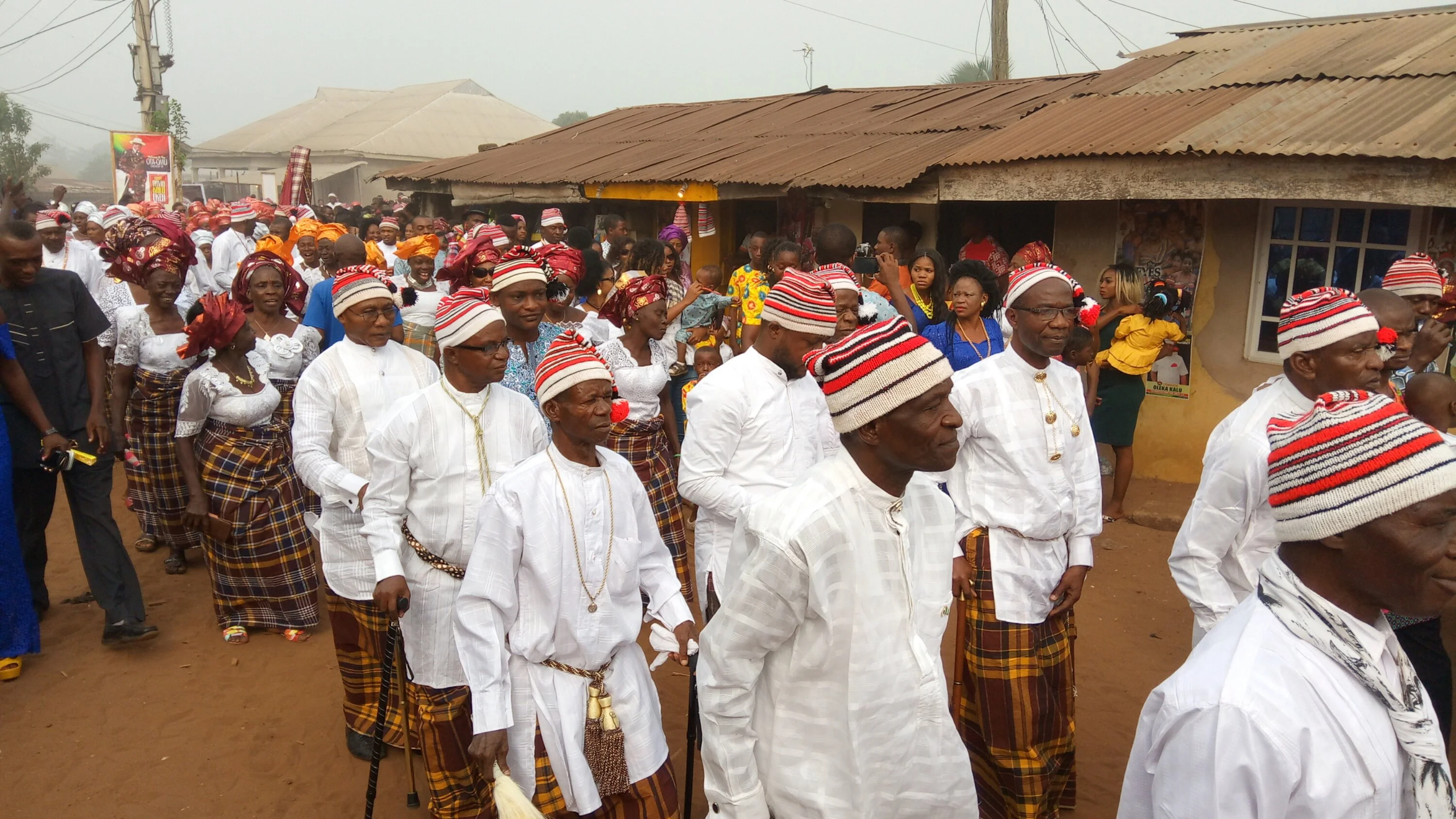
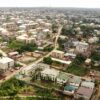
Tucked in the northern part of Abia State, Nigeria is an ancient town known as Ohafia. Ohafia is a land where courage, tradition, and community spirit converge.
Known across Nigeria as the Land of Great Warriors, Ohafia boasts of a rich history filled with tales of bravery, legendary battles and cultural resilience that continue to inspire generations.
From its vibrant festivals and sacred shrines to its bustling markets and flavourful local cuisine, this land of warriors offers a captivating glimpse into a world where tradition meets everyday life.
Let’s take a walk into Ohafia and discover stories, rituals and experiences that reveal why this remarkable town has earned its legendary reputation.
Brief History of Ohafia
Ohafia has a rich history that stretches back several centuries. The town is believed to have been founded by Ezema Atita, a respected leader whose descendants established many of the villages that make up modern Ohafia.
Over time, the people became well known for their bravery and skill in battle, earning the town its reputation as the Land of Great Warriors.
The warrior tradition played a central role in shaping the social and cultural identity of Ohafia. Young men were trained in combat and community defense while the elders preserved stories of past victories and heroic deeds. These stories were passed down through generations, creating a strong sense of pride and unity among the people.
As Ohafia grew, it maintained its cultural practices and customs while also adapting to changing times. Today, the town remains a vibrant community where history and tradition continue to influence daily life, festivals and local governance.
The legacy of Ohafia ancestors is still evident in the courage and resilience of its people, making the town a symbol of strength in the region.
Location and Geography
Ohafia is located in the northern part of Abia State in southeastern Nigeria. It lies approximately 50 kilometers from the State capital, Umuahia, and shares boundaries with several neighbouring towns and local government areas. The town occupies a strategic position within the region, making it accessible by major roads that connect it to nearby urban and rural communities.
The terrain of Ohafia is a mix of gently rolling hills and flatlands which provides suitable areas for farming and settlement. The soil in the area is fertile, supporting the cultivation of crops such as yams, cassava, cocoyams, and various vegetables.
The town experiences a tropical climate characterized by a rainy season that typically lasts from April to October and a dry season from November to March. Average temperatures range around 30 degrees Celsius, creating favourable conditions for agriculture and outdoor activities.
Several streams and small rivers pass through the town, and these contribute to the availability of water for domestic use and irrigation. Vegetation in the area includes patches of tropical rainforest interspersed with farmland and open grasslands. This mix of natural features supports both the local economy and the rich biodiversity of the region.
The town is composed of multiple villages, each with its own unique landscape. Together they form a cohesive community. The arrangement of the villages allows for easy interaction between residents, facilitating trade, cultural exchanges, and communal activities.
The combination of fertile land, a favourable climate and strategic location has played a significant role in the town’s development over the centuries.
Villages and Communities
Ohafia is composed of 26 villages, each with its unique heritage, traditions and contributions to the community. These villages were established by the descendants of Ezeama Atita, the progenitor of the Ohafia people and his son, Uduma.
Over generations, these villages have maintained their distinct identities while fostering a strong sense of unity and shared history.
The villages are:
- Abia
- Akanu
- Amaekpu
- Amangwu
- Amankwu
- Amuma
- Amuke
- Anyaorie
- Asaga
- Ebem
- Elu
- Eziafor
- Ibina (Ihenta)
- Isiugwu
- Nde Amogu
- Nde Anyaorie
- Nde Ibe
- Nde Nku
- Nde Okala
- Nde Orieke
- Nde Uduma Ukwu
- Nkwebi
- Oboro
- Okagwe
- Okon-Aku
- Ufiele
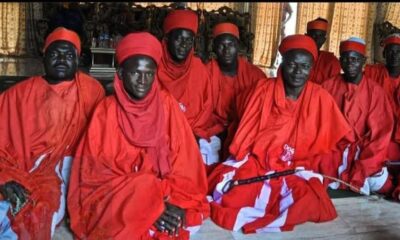
Each village is governed by a traditional leader known as the Ezie Ogo who oversees local affairs and ensures the preservation of cultural practices. Collectively, the Ezie Ogos form the Eze Ogo-in-Council, a body responsible for deliberating on matters that affect the entire Ohafia community.
The administrative and spiritual heart of Ohafia is Elu, the ancestral capital where the paramount ruler, the Udumeze, resides. The Udumeze plays a crucial role in mediating disputes that transcend individual villages and in overseeing significant cultural and ceremonial events.
This decentralized, yet cohesive structure allows each village to maintain its autonomy while contributing to the collective identity and strength of Ohafia.
Leadership and Traditional Authority
The leadership structure of Ohafia is deeply rooted in its traditional systems which reflect centuries of communal governance. Central to this system is the title of Ezie Ogo, the traditional head of each of the 26 villages. These village heads are selected based on age, wisdom and notable contributions to their communities. They oversee local affairs, uphold customs and maintain order within their villages.
At the community level, the village heads form the Eze Ogo-in-Council which deliberates on issues affecting the entire town. This council ensures that all villages have a voice in major decisions and that disputes affecting multiple communities are resolved collectively.
Overseeing the whole traditional governance structure is the Udumeze, the paramount ruler of the town. The Udumeze resides in Elu, the ancestral capital and commands widespread respect. While he allows village heads to manage local matters independently, his intervention is sought in conflicts that cannot be resolved at the village level. The Udumeze also plays a key role in cultural events, festivals and the installation of new village leaders.
Supporting the Ezie Ogo and the Udumeze are other key figures, including the Amala who assist in the administration of justice, organizing communal events and ensuring that traditional laws and customs are followed. These officials help maintain cohesion within the town, ensuring that cultural values are preserved while the community adapts to changing times.
This decentralized but interconnected system of leadership has allowed Ohafia to maintain social stability, preserve its heritage and foster a strong sense of unity among its people.
Economy and Resources
The economy of Ohafia is primarily anchored in agriculture which serves as the main source of livelihood for the majority of residents. Fertile soil and favourable climatic conditions support the cultivation of staple crops such as yams, cassava, cocoyams, maize, and various vegetables. Farmers often engage in both subsistence and commercial farming, supplying produce to local markets and neighbouring towns.
In addition to crop cultivation, livestock rearing is an important economic activity. Residents keep goats, sheep, poultry, and cattle which provide meat, milk and other by-products that supplement household incomes. Fishing is practiced in streams and small rivers within the area, adding to the diversity of local food resources and contributing to trade in aquatic products.
Ohafia is also known for its artisanal skills and craftsmanship. Blacksmithing, wood carving and weaving are traditional occupations that have been passed down through generations. These crafts not only support local needs but also attract buyers from outside the town, providing an additional source of income. The town has a long history of iron work, particularly in making farming tools, ceremonial swords and other metal implements used in daily life and cultural practices.
Small-scale trading forms another significant part of the economy. Local markets in villages such as Ebem, Okagwe and Amuma serve as hubs where farmers, craftsmen and traders converge to sell their goods. Items traded range from fresh produce and livestock to textiles, household items and handmade crafts.
Ohafia also has natural resources that contribute to its economy. Forests provide timber, firewood and medicinal plants while clay deposits support pottery and brick-making industries. These resources are harnessed sustainably by local communities, ensuring that traditional skills and environmental stewardship are maintained.
Through a combination of agriculture, craftsmanship, trade and natural resource utilization, Ohafia has built a resilient local economy that continues to support the community while preserving cultural heritage.
Major Markets in Ohafia
Markets are the lifeblood of economic and social life in Ohafia as they serve as hubs for trade, social interaction and cultural exchange. The town has several prominent markets that cater to the needs of residents and attract traders from surrounding communities.
Amavo Central Market is the largest and most well-known market in Ohafia. It operates on a weekly schedule and offers a wide range of goods, including fresh farm produce such as yams, cassava, vegetables, and fruits. Livestock such as goats, sheep and poultry are also traded, alongside textiles, household items and handcrafted goods. The market is a bustling space where farmers, artisans and traders converge, fostering both economic activity and social cohesion.
Ebem Market located in one of the administrative centres of Ohafia is another key trading hub. It specializes in agricultural produce and local crafts, making it an important point for both local consumption and supply to neighbouring towns.
Okagwe Market and Amuma Market are smaller but vital to the daily economic activities of their respective villages. These markets often operate daily and serve as spaces where local goods and services are exchanged. The markets also function as cultural centres where news, information and traditions are shared among community members.
Each market has its unique rhythm, with designated market days that draw people from various villages. These trading hubs not only sustain the local economy but also reinforce social networks, making them central to both commerce and community life in Ohafia.
Deities, Totems, Traditional Beliefs and Religion
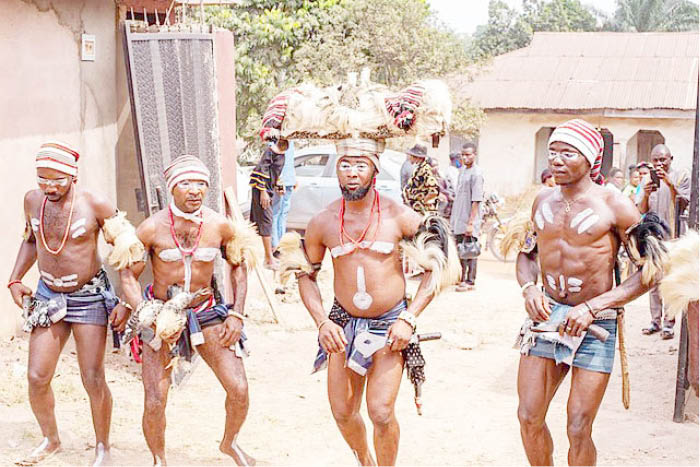
Traditional beliefs form an important part of life in Ohafia. These beliefs influence social norms, cultural practices and community rituals. Ohafia people maintain a strong connection to ancestral spirits, deities and sacred symbols that guide both daily life and significant communal events.
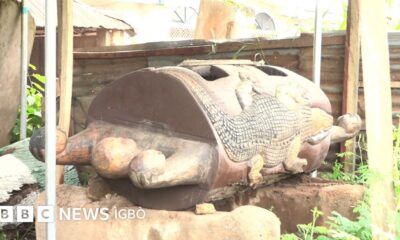
Each village has its own set of deities and spiritual guardians. Shrines, locally known as Arunsi are sacred spaces where residents perform rituals, offer sacrifices and seek guidance or blessings. One of the most revered shrines in the town is the Okwuohia in Asaga which is central to the village’s spiritual life and serves as a place for communal prayers and offerings.
Totems and symbols are also important in the belief system. Certain animals, objects or natural features are considered sacred and are protected by local customs. These totems often play a role in moral teachings, social conduct and the preservation of cultural identity.
Ancestral veneration is another key aspect of religion in Ohafia. The elders who are custodians of history and tradition lead ceremonies that honour forebears and seek their guidance. Such practices reinforce respect for lineage and community cohesion.
With the advent of modern religions, particularly Christianity, many residents now practice a blend of traditional and contemporary faiths. Churches are common throughout the town. Notwithstanding, traditional rites and festivals continue to hold cultural significance, reflecting a harmonious coexistence of belief systems.
Through these deities, totems and religious practices, the people of Ohafia maintain a strong sense of identity, continuity and connection to their ancestral heritage.
Festivals and Cultural Life
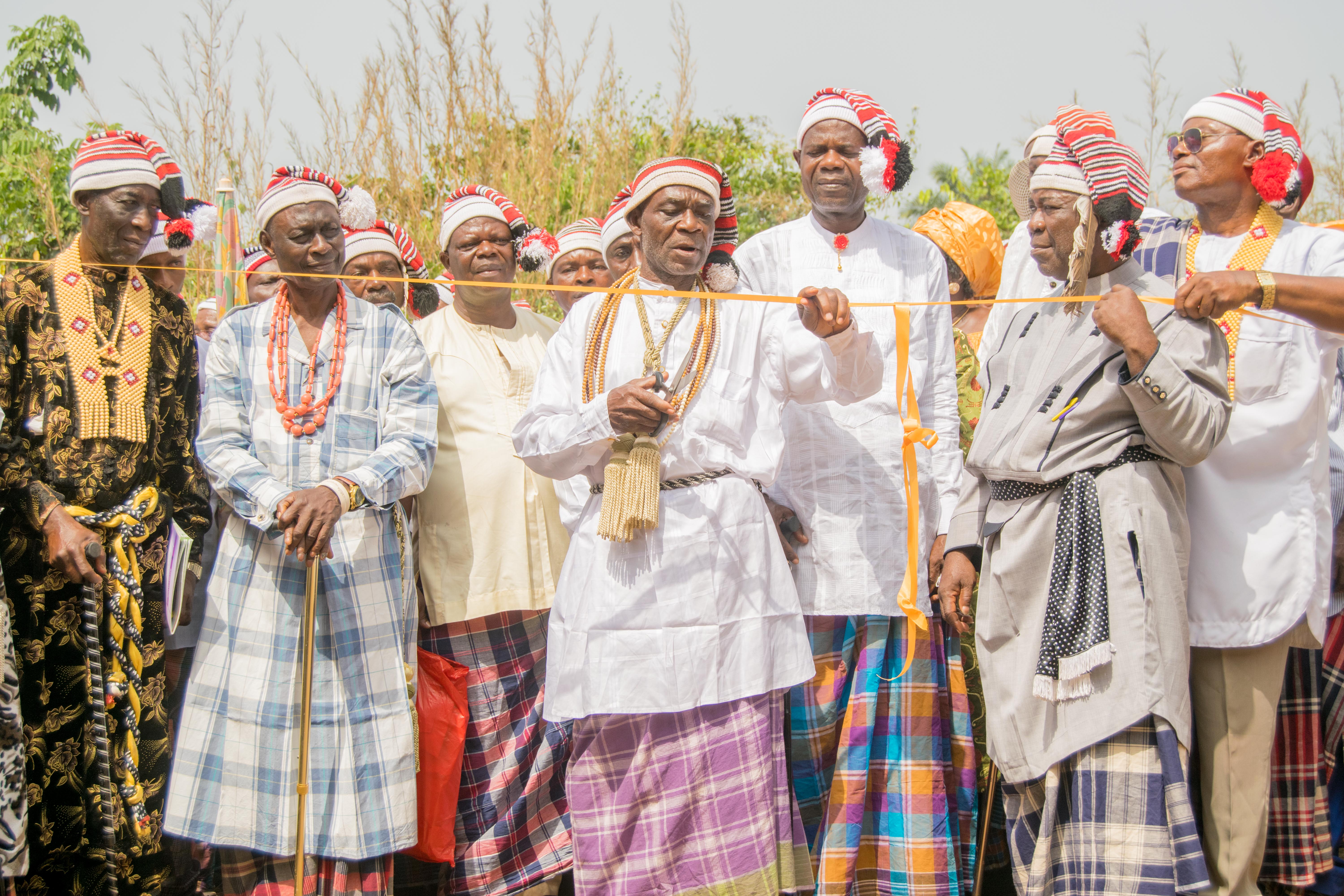
Festivals and cultural activities are central to life in Ohafia. This is a reflection of the town’s rich heritage and the enduring spirit of its people. These events serve not only as a celebration of tradition but also as opportunities for social bonding, entertainment and the transmission of cultural values to younger generations.
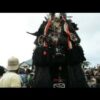
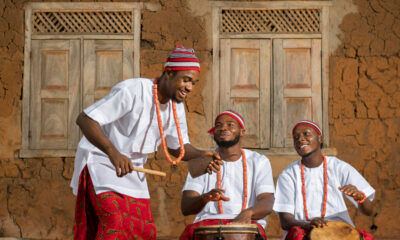
The most iconic festival in Ohafia is the Ikpirikpi Ogu, commonly known as the Ohafia War Dance. This festival commemorates the town’s history of bravery and valour in battles. Men who have earned the right to perform the dance showcase strength, agility and martial skill through a series of choreographed movements that often include mock combat and ceremonial displays of weaponry. The dance is both a cultural performance and a way of preserving the memory of the town’s warrior ancestors.
Another major celebration is the New Yam Festival which marks the start of the harvest season. It is a time for gratitude, feasting and communal sharing of agricultural produce. Families gather to prepare traditional dishes, offer portions to ancestors and invite visitors to partake in the festivities. This festival reinforces community ties and underscores the importance of agriculture in the local economy.
The Igba Uche Cultural Festival is another notable event. It is a ceremony that celebrates the retirement and achievements of elders within the community. It serves as a platform to honour individuals who have contributed significantly to social development, cultural preservation and leadership.
Beyond these major events, daily cultural life in Ohafia is expressed through music, dance, storytelling and artisanal crafts. Traditional instruments such as drums, flutes and bells accompany dances and ceremonies, while folklore and oral histories are shared to instill moral values and a sense of identity among children and youth.
These festivals and cultural practices ensure that the traditions of Ohafia remain vibrant, fostering pride, unity, and continuity within the community.
Town Unions and Community Organization
Community organization is a cornerstone of life in Ohafia as a reflection of its strong tradition of collective responsibility and self-governance. Town unions and local associations play a crucial role in maintaining social cohesion, promoting development and addressing communal needs.
Each village in Ohafia typically has its own village union composed of indigenes who reside both within the village and in other parts of Nigeria or abroad. These unions coordinate development projects, support education, provide health initiatives and mediate local disputes. They also serve as platforms for cultural preservation, ensuring that festivals, traditional rites and moral values are upheld.
At the broader town level, the Ohafia Town Union acts as an umbrella organization that brings together all the village unions. This body organizes larger initiatives, including infrastructure development, fundraising for community projects and advocacy with government authorities. Town union meetings are often held regularly, allowing members to discuss pressing issues, plan social and economic programs and celebrate communal achievements.
In addition to village and town unions, there are specialized associations based on occupation, age, or interest. For example, farmers’ cooperatives, women’s groups and youth organizations contribute to economic growth, social welfare and cultural continuity. These groups often collaborate on projects such as market improvements, scholarship schemes and health awareness campaigns.
Through these unions and organizations, Ohafia has created a robust network of support that strengthens community ties, empowers residents and ensures that development is inclusive. This system of collective action reinforces the town’s unity while allowing individual villages and interest groups to thrive.
Local Dishes and Cuisine
Ohafia cuisine is a vibrant reflection of the town’s agricultural abundance, cultural traditions and communal lifestyle. Meals are often centered around locally grown staples, prepared with flavours and techniques passed down through generations.
Yams are a cornerstone of the diet, commonly boiled, pounded, or roasted. Pounded yam, served with rich and spicy soups is a favourite at both daily meals and festive occasions. Cassava is another staple, processed into fufu or fermented products such as garri and are enjoyed with a variety of soups.
Soups in Ohafia are hearty and flavourful, often made with a mix of vegetables, spices and locally sourced proteins. Popular soups include Ofe Ohia, Ofe Egusi and Ofe Onugbu. These dishes frequently incorporate fresh fish, goat meat or chicken, reflecting the integration of farming and livestock in the local economy.
Snacks and street foods are also common. They provide quick meals or treats during market days and festivals. Examples include akara, moi moi and roasted plantains. Palm oil, locally sourced and freshly processed adds richness and colour to many dishes while traditional seasonings ensure each meal is aromatic and deeply satisfying.
Meals in Ohafia are occasions for social bonding. Families gather to eat together, share stories and pass on culinary skills to younger generations. During festivals, special dishes are prepared in large quantities, showcasing the town’s culinary heritage and reinforcing communal ties.
Ohafia cuisine not only nourishes the body but also embodies the town’s history, traditions and identity, making food a vital part of their cultural expression and daily life.
Prominent Sons and Daughters
Ohafia has produced a number of remarkable individuals who have made significant contributions in various fields, both within Nigeria and internationally. These sons and daughters of the town have excelled in areas such as governance, business, education, the arts and community development, serving as sources of pride and inspiration for the people of Ohafia.
One notable figure is Dr. Ogbu Uke Kalu, a renowned Nigerian theologian and historian. Born in Isiugwu village, he was a major figure in the study of African Christianity, especially in relation to African Pentecostalism. He served as the Director of the Centre for Global Ministry at McCormick Theological Seminary and was honoured with an honorary Doctor of Divinity degree from Presbyterian College at McGill University in 1997.
In the realm of politics, Sir Ude Oko Chukwu has made significant strides. Born in Nkporo, he served as the Deputy Governor of Abia State from 2015 to 2023. Prior to that, he was the Speaker of the Abia State House of Assembly from 2011 to 2015 and a member from 2003 to 2015, representing Ohafia North.
Joyce Kalu, born in Ohafia, is a prominent figure in the Nigerian film industry. An actress and film producer, she has been recognized with awards such as Best Actress in Nigeria and Most Prominent Actress in Nigeria. Her contributions have been instrumental in shaping Nollywood.
Mgbeke George Okore, from Mkpakpi village, holds the distinction of being the first woman ordained for ministry in the Presbyterian Church of Nigeria. Her ordination in 1982 marked a significant milestone for women in religious leadership within the denomination.
John Chizoba Vincent, hailing from Nkporo, is a Nigerian filmmaker, director, and screenwriter. His works have been showcased at international platforms like the São Paulo Film Festival and the African International Film Festival in Lagos, highlighting the rich cultural narratives of Nigeria.
These individuals exemplify the diverse talents and achievements of the people of Ohafia and underscore the community’s rich heritage and its contributions to various sectors.
Education and Institutions
Education in Ohafia has long been a priority for the community, with a combination of public and private schools providing foundational and advanced learning opportunities. The town has invested in both primary and secondary education, ensuring that children from all villages have access to quality schooling.
Primary schools are widely distributed across the 26 villages, making basic education accessible to most residents. These schools focus on literacy, numeracy and moral education, preparing students for secondary education and further studies. Notable government primary schools include Central Primary School, Elu, and Community Primary School, Ebem which have produced generations of scholars and community leaders.
Secondary education is also well represented in the town. Schools such as Ohafia Comprehensive Secondary School and St. Joseph’s Secondary School provide students with opportunities to excel academically while participating in extracurricular activities, including sports, cultural events and debates. These institutions have a strong tradition of producing students who proceed to higher education and professional careers both within and outside Nigeria.
Higher education and vocational training are supported through collaborations with institutions in neighbouring towns and States. Many young people from Ohafia pursue university degrees in fields such as engineering, medicine, law, education and the arts while others attend vocational schools to acquire practical skills in agriculture, craftsmanship, and technology.
Community involvement in education is strong. Village unions, parent-teacher associations and local leaders actively contribute to school development by providing infrastructure, scholarships and mentorship programmes. This communal support reflects the town’s commitment to literacy, knowledge and the empowerment of its youth.
Through a network of schools, vocational programs, and community initiatives, Ohafia continues to cultivate a well-educated population that is capable of preserving the town’s traditions while contributing meaningfully to modern society.
Landmarks and Tourist Attractions
Ohafia is home to a number of landmarks and tourist attractions that reflect its rich history, cultural heritage and natural beauty. Visitors to the town can explore a mix of historical sites, traditional shrines and scenic areas that offer insight into the community’s identity and lifestyle.
One of the most notable attractions is Elu, the ancestral capital of Ohafia where the Udumeze, the paramount ruler, resides. This area is not only a political and administrative centre but also a cultural hub where festivals, ceremonies and traditional rites are performed. Visitors can witness the grandeur of Ohafia’s warrior heritage during key festivals such as the Ikpirikpi Ogu, also known as the Ohafia War Dance.
Traditional shrines, including the Okwuohia Shrine in Asaga and other sacred sites scattered across various villages are significant for both religious and cultural tourism. These sites offer a glimpse into the spiritual practices of the community, ancestral veneration and rituals that have been preserved for generations.
Natural attractions include streams, rivers and rolling hills that provide scenic views and opportunities for outdoor activities. These landscapes not only support agriculture but also create spaces for relaxation, picnics and exploration. The fertile land and greenery contribute to the town’s serene environment, making it appealing for tourists and visitors.
Ohafia’s markets, particularly Amavo Central Market are also considered cultural attractions. The vibrant atmosphere, local produce, traditional crafts and the lively interactions among traders and buyers offer an authentic experience of daily life in the town.
Through its blend of historical, cultural and natural landmarks, Ohafia presents a compelling destination for those interested in exploring Nigeria’s heritage, learning about traditional practices, and experiencing the warmth and resilience of the community.
Challenges and Positive Outlook
Ohafia faces a number of challenges that affect social, economic and infrastructural development. One of the main issues is limited access to modern infrastructure, including reliable roads, healthcare facilities and electricity. Some villages experience difficulties in accessing essential services, which can hinder economic growth and quality of life.
Education, while improving, still faces constraints such as insufficient learning materials, inadequate school facilities and the need for more qualified teachers in certain areas. Youth unemployment is another concern, with many young people seeking opportunities outside the town due to limited local industries and formal employment options.
Despite these challenges, Ohafia people demonstrate resilience, resourcefulness and a strong sense of community. Village unions, town organizations and traditional authorities work together to address development gaps, fund community projects and promote social welfare. Agriculture remains a strong pillar of the local economy, providing both food security and income for households.
Cultural pride and heritage continue to play a positive role in shaping the community’s identity and cohesion. Festivals, crafts, and traditional practices not only preserve the town’s history but also attract visitors and create opportunities for tourism and small-scale businesses.
With ongoing efforts to improve infrastructure, education and economic opportunities, Ohafia has a promising outlook. The combination of rich cultural heritage, strong communal bonds and the determination of its people position the town for sustainable growth and continued prominence in Abia State.
In Conclusion…
Ohafia, the Land of Great Warriors is a town where history, culture and community spirit thrive. From its rich warrior heritage and vibrant festivals to its fertile lands and bustling markets, the town reflects a unique blend of tradition and resilience. The 26 villages that make up Ohafia each contribute to its identity, maintaining cultural practices while embracing modern growth.
With strong traditional leadership, active town unions and a commitment to education and development, Ohafia continues to nurture its people and preserve its heritage. The local cuisine, landmarks and cultural events provide a window into daily life and the values that bind the community together.
While the town faces challenges such as infrastructure gaps and youth employment, the determination and ingenuity of its residents offer a positive outlook. Visitors and researchers alike can find inspiration in Ohafia’s story of bravery, unity and cultural pride.
Ohafia stands as a testament to the enduring spirit of its people, a place where the past and present meet, where the legacy of great warriors continues to shape a promising future.
References
- https://en.wikipedia.org/wiki/Ohafia
- https://thesun.ng/life-and-times-of-udumeze-of-ohafia-prof-e-u-l-imaga/
- https://en.wikipedia.org/wiki/List_of_villages_in_Abia_State
- https://en.wikipedia.org/wiki/List_of_unity_schools_in_Nigeria
- https://www.vanguardngr.com/2022/12/ohafia-war-dance-cultural-heritage-that-makes-ohafia-unique/
- https://ohafiausa.org/
You might want to check this out…