


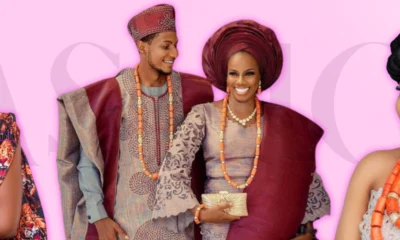

Afiaolu Nnewi
Afiaolu Festival 2025: Nnewi’s Vibrant New Yam Celebration, Day 1

Every August, the heartbeat of Nnewi town in Anambra State beats louder and stronger with the Afịa-Ọlụ Festival, also known as the New Yam Festival. It is more than just a feast, it is a cultural homecoming, a time of thanksgiving, and a celebration of identity. For the Igbo people, yam is not just a crop but a symbol of life, wealth, and continuity. To celebrate yam is to celebrate survival and prosperity.
The first day of the 2025 edition of Afịa-Ọlụ, held at the historic Nkwo Triangle, once again lived up to expectations. The event brought together tradition and modernity, young and old, natives and visitors. With vibrant performances, communal feasting, masquerade displays, and traditional wrestling, the festival reflected the richness of Igbo heritage while also speaking to the realities of today’s Nnewi.
Traditionally, Day 1 marks the official presentation and blessing of yams, symbolizing thanksgiving for harvest and communal unity. Elders, titled men, and traditional rulers led prayers of gratitude, reminding all in attendance of the cultural depth and spiritual importance of the festival.

Afiaolu Nnewi Yam Pyramid
The event also enjoyed strong brand support, with Life Beer standing out as one of the key sponsors of the festival.

Sponsored by life
Afiaolu 2025 Opening Ceremony
The opening ceremony set the tone for the entire festival. At Nkwo Triangle, the atmosphere was filled with anticipation as dignitaries, indigenes, and visitors gathered to witness the first rites of the celebration.
The honor of breaking the kolanut, a revered Igbo tradition, fell to Prince Obi Orizu, the Crown Prince of Nnewi. He performed the ritual on behalf of his father, Igwe Kenneth Orizu III, the traditional ruler of Nnewi. In Igbo land, breaking the kolanut is never a casual act. It symbolizes hospitality, prayer, and unity. Each piece of the nut shared carries a blessing, and its breaking at such a festival signals peace and goodwill for all.
As the Crown Prince lifted the kolanut and offered prayers in the traditional manner, the crowd responded with “Isee!”, an affirmation of agreement and shared faith. This single act not only marked the official start of the festival but also reminded everyone present of the deep cultural values of respect, unity, and blessing that define Igbo gatherings.
See the kola nut breaking ceremony here.

Prince Orizu
Special Guests & Dignitaries
No festival of this scale is complete without the presence of important personalities, and Afịa-Ọlụ 2025 was no exception. The event was graced by the Obis of Nnewi’s four quarters Otolo, Uruagu, Umudim, and Nnewichi each standing as a custodian of tradition and a representative of their people. Their presence gave the festival its true cultural weight and reminded all in attendance of the unity that binds the quarters of Nnewi together.
Also in attendance was Hon. Echezona Anazodo, the Mayor of Nnewi, whose presence highlighted the blend of traditional authority and modern governance working hand in hand to preserve culture and foster community growth.
Adding to the list of distinguished guests, Mr. Obiora Udealo, CEO of The Nnewi Hotel and Events Centre Limited, joined in the festivities
These dignitaries, alongside elders and community leaders, gave Afịa-Ọlụ 2025 a remarkable sense of importance, showing once again that the festival is not just an event, but a rallying point for Nnewi’s identity and pride.
Performances & Cultural Displays
As the ceremonies unfolded, the festival grounds came alive with music, dance, and masquerade displays. A standout moment was the performance of Professor Onye Egwu, who thrilled the audience with his unique style of music rooted in highlife. His melodies carried nostalgia for the elders while remaining entertaining and relatable for the younger generation. It was a bridge between past and present, proof that culture can be preserved through music while still adapting to modern tastes.

Professor Onye Egwu before his performance
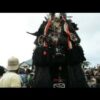
Masquerade displays soon followed, filling Nkwo Triangle with color, drama, and excitement. The masquerades, representing the spiritual and cultural depth of Nnewi, emerged one after another, each with its own rhythm and symbolism. From elaborate masks to vibrant costumes, they captivated the audience and reminded everyone of the mystery and power embedded in Igbo tradition.

Masquerades performing at afiaolu 2025

Masquerade

More masquerades
Watch the masquerade performance here.
Importantly, the four quarters of Nnewi-Otolo, Uruagu, Umudim, and Nnewichi were all represented. Each quarter presented its own masquerade group, showing off its unique flair while contributing to the collective celebration. The masquerades were not only entertaining but also symbolic of ancestral presence and protection over the land.

Obi Uruagu

Obi Umudim

Obi Nnewichi
Sporting & Entertainment Activities
Afịa-Ọlụ 2025 also maintained one of the most exciting traditions of Igbo festivals:, the traditional wrestling. Wrestling has always been more than a sport in Igbo culture, it is a display of strength, courage, and manhood. It is also a unifying activity, drawing huge crowds and sparking excitement across age groups.
At Nkwo Triangle, the wrestling competition drew cheers from the audience as young men locked arms and displayed both skill and stamina. Victories were celebrated with loud ululations, drumming, and dancing. For many, the wrestling contest was as thrilling as any modern sporting event, yet deeply rooted in culture.

One the wrestlers present
The inclusion of wrestling in Afịa-Ọlụ 2025 proved that festivals are not only about rituals and dances but also about celebrating the physical strength and bravery of the youth. It created a balance between solemn tradition and lively entertainment.
Watch the traditional wrestling match here.
Beyond the thrilling displays of strength in the wrestling arena, the festival stage came alive with energetic dance performances from various cultural groups. Each troupe brought its unique rhythm, attire, and choreography, transforming the atmosphere into a true celebration of Igbo heritage.

Dance group performing
The dancers, dressed in colorful traditional costumes, moved to the beat of drums, flutes, and local instruments, captivating the crowd with their synchronized steps and expressive storytelling. From youthful groups showcasing modern interpretations of traditional moves, to seasoned performers preserving age-old steps, the dance sessions were a reminder of how vibrant and diverse Igbo performance art remains today.
These performances did not just entertain but also connected the audience to the roots of communal celebrations, where dance has always been a powerful medium of expression, unity, and cultural pride.


Women wing present at the event
Charity & Community Spirit
One of the most heartwarming aspects of the 2025 edition was the charity giveaway that took place even before the festival officially began. Bags of rice and cartons of Maltina were distributed to families and the less privileged in the community. This gesture reflected the true spirit of Afịa-Ọlụ, gratitude, generosity, and care for one another.

Charity donation
Charity in the Igbo worldview is not just about giving, it is about ensuring that no one is left out of communal joy. By making sure that even the needy had food and drink to celebrate with, the organizers reinforced the values of inclusiveness and kindness.
Watch a video of the charity donation here.
This act of giving, combined with the festivities that followed, made the festival more meaningful. It showed that Afịa-Ọlụ is not just about celebrating harvest and culture, but also about practicing humanity and empathy. In many ways, this charitable act set the tone for the entire festival, reminding everyone that unity is built not only on celebration but also on shared responsibility.
Representation of Nnewi’s Four Quarters
One of the defining features of Afịa-Ọlụ is the collective representation of the four quarters of Nnewi—Otolo, Uruagu, Umudim, and Nnewichi. Each quarter carries its own history, traditions, and pride, and the festival provides the perfect platform for them to stand together in unity.

Shot of the Obi’s of Nnewi
From the masquerades to the cultural dances, wrestling contests, and even the presence of the Obis of each quarter, their participation reinforced the idea that Nnewi is strongest when its people stand as one. The quarters may be distinct in lineage and tradition, but Afịa-Ọlụ reminds the community that they are bound by a shared heritage and identity.
This representation is not just symbolic; it is deeply meaningful. It demonstrates that culture thrives when every part of the community contributes to its preservation. By seeing their quarter honored on the festival stage, every indigene of Nnewi whether at home or in the diaspora feels a personal connection to the celebration.
Conclusion: Afịa-Ọlụ as a Living Heritage
The 2025 Afịa-Ọlụ Festival at Nkwo Triangle was more than a cultural event, it was a declaration of identity, resilience, and pride. From the kolanut prayers of the Crown Prince to the music, masquerades, wrestling, and acts of charity, the festival captured the very essence of what it means to be Nnewi and Igbo.
In a time when modernization and globalization often threaten traditional practices, Afịa-Ọlụ stood tall as a reminder that culture can adapt, evolve, and still remain authentic. It is not a relic of the past but a living heritage that speaks to both the ancestors and the present generation.
For visitors, the festival was a dazzling showcase of Igbo heritage. For indigenes, it was a homecoming filled with pride and nostalgia. For the younger generation, it was a call to embrace and carry forward the traditions of their fathers.
As the sounds of drums faded and the last masquerade departed, one truth lingered in the hearts of all who attended, Afịa-Ọlụ is more than a festival, it is the heartbeat of Nnewi, a living tradition that unites, inspires, and endures.
Read about: Nnewi New Yam Festival, 2022