







Nigerian Cultural Practices
Inside the Efik Fattening Room: The Tradition That Prepared Girls for Womanhood

Fattening room was a traditional Efik cultural practice in Nigeria where young women entered seclusion to be nurtured, trained in domestic life, and prepared for marriage and adulthood through food, care, and instruction.

In the old Calabar, long before modern weddings became weekend events in decorated halls, there was a quiet room where a different kind of preparation took place. It was called the Fattening room. For the Efik people of present-day Cross River State, this was not simply a space for eating and resting. It was a sacred period of transition. A young girl entered it as a daughter of the household. She stepped out recognized as a woman, ready for marriage, family life, and her place in the community.
The Fattening room was one of the most respected traditions in Efik culture. It combined careful feeding, personal care, cultural instruction, and guidance from older women who carried the wisdom of the community. In a society where marriage marked a major milestone, this practice served as structured preparation for womanhood. It taught domestic skills, social etiquette, values, and expectations, all within the protective space of female mentorship.
To outsiders, the name alone can spark curiosity or misunderstanding. Was it only about weight gain? Was it forced seclusion? Or was it something deeper. To truly understand the Fattening room in Nigeria, especially among the Efik, one must look beyond the surface and listen to the stories behind it. This tradition was tied to ideas about health, beauty, fertility, honour, and readiness for adult responsibility.
Today, the Efik Fattening room is no longer as widely practiced as it once was. Education, religion, urban life, and changing body ideals have influenced how families view it. Yet the memory of the practice remains strong. It still sparks debate about culture, gender roles, and the balance between heritage and modern life.
To explore the Fattening room is to explore a chapter of Nigerian cultural history that is layered, complex, and deeply human. It is a story of mothers and daughters, of community celebration, of tradition meeting change. And like many cultural rites of passage around the world, it asks an important question. How does a society prepare its young people for adulthood, and what does it value most in that journey?
Who Are the Efik People?
The Efik people are an ethnic group native to the coastal region of the present-day Cross River State in southern Nigeria. They are most closely associated with Calabar, a historic port city that once stood at the centre of trade and cultural exchange along the Atlantic coast.
Historically, the Efik rose to prominence between the seventeenth and nineteenth centuries as influential middlemen in regional and international trade. Their strategic location along the Cross River allowed them to build commercial networks that connected inland communities to European merchants.
During this period, Calabar became one of the most important trading ports in West Africa. This long history of contact with the outside world helped to shape the Efik society in unique ways by blending strong indigenous traditions with early exposure to Christianity, Western education, and global commerce.
Their language which is known as Efik belongs to the Lower Cross subgroup of the Niger-Congo language family. It later became a major literary language in southern Nigeria. In fact, some of the earliest translations of the Bible into a Nigerian language were done in Efik in the nineteenth century by missionaries working in Calabar. Because of its early written form and influence, Efik once served as a lingua franca in parts of southeastern Nigeria.
Culturally, the Efik are known for their elaborate marriage customs, colourful festivals, rich cuisine, and strong kinship systems. Traditional institutions such as secret societies, titled leadership structures, and age-grade associations once played central roles in governance and social order. Respect for elders, extended family bonds, and communal celebrations remain important values.
Practices like the Fattening room developed within this broader cultural framework. They were not isolated rituals, rather, they are part of a carefully ordered society that placed high importance on preparation for adulthood, dignity in marriage, and the reputation of the family. To understand the Fattening room properly, one must first understand the people who created and sustained it.
Today, many Efik people live not only in Cross River State but also in other parts of Nigeria and across the diaspora. While modern life has changed aspects of daily living, the pride in Efik heritage remains strong. Language, food, traditional attire, and cultural ceremonies continue to connect the younger members to their roots.
What Is the Fattening Room?
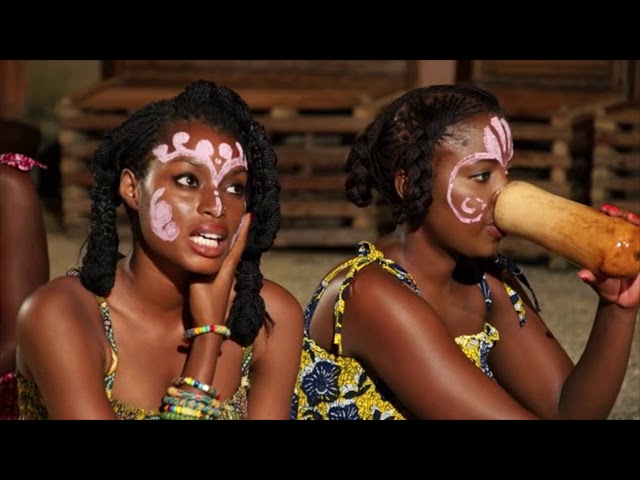
The Fattening room is a traditional rite of passage practiced among the Efik people of southern Nigeria. It was a period of seclusion set aside for young women, usually before marriage, during which they were carefully nurtured, taught cultural values, and prepared for adult life.
In simple terms, the Fattening room was both a training space and a transition stage. A girl entered it as an unmarried daughter of her family and emerged recognized as a woman ready for marriage, motherhood, and new responsibilities within the community.
Historically, the practice involved several key elements. The young woman stayed indoors for a defined period, sometimes, weeks and, in older times, even months, depending on family tradition and social status. She was given rich local meals in generous portions and encouraged to rest, because physical fullness was traditionally associated with beauty, health, and prosperity. Older women applied oils and local chalk to her skin and massaged her body which was seen as a way to enhance appearance and well-being.
Perhaps the most important aspect was teaching. The older women guided her on marriage expectations, household management, respect, childcare, hospitality, and cultural etiquette. She also learned songs, dances, and traditions expected of an Efik wife and woman.
The purpose of the Fattening room was not only physical nourishment. It was a structured preparation for womanhood. In traditional Efik society, marriage was more than a private union. It connected families and strengthened social ties. Because of this, preparing a bride was taken seriously.
At the end of the seclusion period, there was often a public outing where the young woman was presented, beautifully dressed and adorned to family and well-wishers. This event marked her formal transition into a new stage of life.
Over time, changing views about health, education, religion, and gender roles have altered how the Fattening room is understood and practiced. In many places today, it survives only in symbolic or modified form. Still, as a cultural institution, the Fattening room remains one of the most recognized traditions associated with the Efik people and continues to attract interest in discussions about Nigerian rites of passage and African marriage customs.
The Origins and History of the Practice
The Fattening room has roots that stretch deep into the history of the Efik people, though exact dates are difficult to pinpoint. Oral tradition suggests that it developed long before colonial influence, and evolved as a structured way to prepare young women for marriage and adult responsibilities. The practice reflected the values and priorities of a society that placed high importance on family, community, and social order.
Among the Efik, a healthy and well-nourished body was considered a sign of prosperity, fertility, and readiness for adult life. Gaining physical fullness was not merely aesthetic, it signified that a young woman came from a family capable of providing for her and that she herself would be able to care of her future household. Over generations, the Fattening room became a recognized stage in the life of Efik girls as it represented a formal passage from childhood to womanhood.
The practice was closely tied to broader cultural and social systems. Marriage in Efik society was not only a personal affair but also a communal event with implications for family reputation and social cohesion. Preparing a bride was, therefore, a responsibility taken seriously by both the family and the wider community. The Fattening room allowed the elders to instill knowledge, values, and skills necessary for successful integration into adult roles.
Colonial influence and the spread of Christianity, eventually, introduced changes to many traditional practices, including the Fattening room. Missionaries and Western education systems, sometimes, discouraged extended seclusion while new ideas about health and body image began to influence local perceptions. Despite these changes, the tradition persisted in many communities, sometimes, in modified forms that preserved the cultural purpose while adapting to modern life.
In essence, the Fattening room is a reflection of the understanding of adulthood, beauty, and responsibility by the Efik society. Its origins reveal a culture that valued preparation, mentorship, and the careful passing of knowledge from one generation to the next.
Even today, it continues to be remembered as a symbol of the community’s history, ideals, and approach to nurturing young women for the roles they were expected to assume.
What Happened Inside the Fattening Room?

Life inside the Fattening room was completely different from the everyday routines of young Efik girls. When a girl entered this special period of seclusion, her days were structured around nourishment, care, learning, and cultural instruction.
Food played a central role. Girls were given rich, traditional meals in generous portions and encouraged to eat heartily. The focus was on increasing strength, health, and physical fullness which were seen as marks of prosperity and readiness for marriage. Alongside abundant meals, girls were encouraged to rest and enjoy a period of calm, free from the chores and responsibilities they carried outside the room.
Physical care was another important aspect. The older women, often mothers, aunts, or experienced community members applied native oils and chalk to the girls’ skin and gave massages regularly. This was intended to improve skin quality, enhance appearance, and promote relaxation. The care was gentle, methodical, and designed to help the girls feel confident and nurtured.
Education within the Fattening room went far beyond physical well-being. Girls were taught domestic skills such as cooking traditional dishes, managing a household, caring for children, and maintaining personal hygiene. Social skills were also emphasized, including respect for elders, proper etiquette, and the ways to interact gracefully within the family and wider community.
Cultural instruction was woven into daily life. Songs, dances, and storytelling were part of the routine as a way of ensuring that the girls absorbed the values and history of their people while learning the expectations of womanhood. Lessons were often informal but deeply rooted in tradition, transmitted through observation, participation, and gentle guidance.
At the end of the seclusion period, a public presentation often took place. The young woman was dressed in fine attire, adorned with beads and ornaments, and celebrated by family and neighbours. This event marked her official transition into adulthood and her readiness for marriage, and symbolized both personal growth and communal approval.
The Fattening room, therefore, was much more than a period of rest or eating. It was a carefully organized environment where girls were nurtured, educated, and guided by combining practical skills, cultural knowledge, and personal care to prepare them for the responsibilities and expectations of adult life.
The Cultural Meaning
The Fattening room held deep cultural meaning among the Efik people. More than a physical or educational preparation for marriage, it symbolized a girl’s passage from childhood into womanhood. Within Efik society, adulthood was not just about age, but about readiness – emotional, social, and practical to take on new responsibilities within the family and community.
Weight gain and physical fullness were seen as indicators of health, prosperity, and fertility. A well-nourished girl reflected her family’s ability to provide and cared for by elders who guided her. It also communicated to the community that she was ready to fulfill the role of a wife and mother. In this sense, the Fattening room reinforced the idea that adulthood involved both physical and moral preparation.
Beyond the physical aspects, the Fattening room served as a space for mentorship and instruction. Through the guidance of the older women, young girls learned household management, child care, and social etiquette as well as cultural songs, dances, and stories. These lessons emphasized values such as respect, patience, hospitality, and community cohesion. They connected the girls to their heritage, and helped them to understand their place within the family and society.
The Fattening room also had a communal dimension. Families and neighbours participated in celebrations marking the completion of the period to acknowledge the girl’s transformation and welcome her into adult life. This public recognition reinforced social bonds and affirmed the shared responsibility of the community in nurturing the next generation.
In essence, the cultural meaning of the Fattening room went beyond preparation for marriage. It was a rite of passage that combined health, education, tradition, and socialization. It embodied the values, expectations, and identity of the Efik people, and showed how culture guided individuals toward maturity, even as it strengthened family and community ties.
Criticism and Changing Views
Over time, the Fattening room has faced criticism and evolving perspectives as a reflection of the broader changes in the society, health awareness, and gender roles. While the tradition was once widely respected, modern observers have raised questions about its relevance and impact.
One major point of criticism concerns health. The focus on significant weight gain, combined with prolonged periods of rest has been seen as potentially harmful. Critics argue that the practice could contribute to obesity-related issues, particularly when the traditional diets were highly caloric and physically sedentary. Health authorities and nutrition experts have highlighted that excessive weight gain without regular physical activity can increase the risk of long-term health problems.
Another perspective questions the gender dynamics inherent in the practice. The Fattening room emphasizes the preparation of girls for domestic life, marriage, and child-rearing. Some argue that this reinforces traditional gender roles that may limit opportunities for education, personal growth, and professional development. Feminist scholars have debated whether the practice empowers young women with cultural knowledge or imposes restrictive societal expectations.
Cultural critics and modern families have also discussed the relevance of seclusion in contemporary society. Urban living, schooling, and employment opportunities make long periods of confinement impractical. Many parents today opt for modified or symbolic versions of the Fattening room that retain cultural instruction and celebration while eliminating extended isolation.
Despite these critiques, the Fattening room is still recognized for its cultural and historical value. Scholars and cultural enthusiasts emphasize that understanding the practice requires seeing it in the context of the Efik society where communal values, mentorship, and preparation for adult responsibilities were central. In modern times, the challenge lies in balancing respect for tradition with contemporary health, education, and gender expectations.
This evolving view highlights the tension between heritage and modernity. While some see the Fattening room as outdated, others appreciate it as a vital cultural memory that reflects the Efik people’s approach to nurturing, mentoring, and celebrating the transition to womanhood.
Is the Fattening Room Still Practiced Today?
Today, the traditional Fattening room is far less common than it once was, though it has not disappeared entirely. Modern education, urban living, and changing social values have significantly altered how families view this cultural practice. Extended periods of seclusion are rare, and many young women and their families now choose modified or symbolic versions rather than the lengthy, intensive preparation of the past.
In some rural communities, elements of the Fattening room survive. Girls may still receive guidance from the older women where they learn household skills, social etiquette, and cultural traditions, but the emphasis on weight gain and prolonged seclusion has diminished. Celebratory gatherings, advice sessions, and short mentorship periods have replaced the extended confinement of the earlier generations.
Urbanization and Western influence have also affected the practice. Many Efik families living in cities prioritize education and career development, often viewing the traditional Fattening room as incompatible with modern life. Religious beliefs, particularly among Christian households have encouraged alternative ways to prepare girls for adulthood without the traditional rituals.
Despite these changes, the Fattening room remains an important symbol of Efik heritage. Cultural festivals, storytelling, and scholarly works keep the memory of the practice alive. In some cases, modern ceremonies incorporate aspects of the tradition as a form of cultural pride and identity, thereby allowing communities to honour their history as they adapt to contemporary values.
Essentially, the Fattening room has evolved rather than disappeared. It now exists more as a cultural memory, a heritage practice, and a symbolic celebration of transition to womanhood which reflects the balance between preserving tradition and embracing modern life.
Similar Traditions in Neighbouring Cultures
The Fattening room is not unique to the Efik people. Similar rites of passage exist among neighbouring ethnic groups in southern Nigeria in a way that reflects shared cultural values around womanhood, marriage, and community preparation.
Among the Ibibio who live near the Efik in present-day Akwa Ibom State, young women historically underwent a form of seclusion known as Mbopo. Like the Efik practice, it involved care, mentorship, and instruction on domestic skills, social etiquette, and cultural responsibilities. Girls were nourished and guided by older women in the community to prepare them for marriage and family life.
In some Annang communities, related traditions also emphasized physical nurturing, social training, and cultural education. These practices, while varying in duration and specific rituals, shared the central goal of preparing girls for adult roles while connecting them to their cultural heritage.
Even beyond Nigeria, anthropologists have noted similar patterns across West Africa. The combination of seclusion, mentorship, physical care, and cultural instruction is a common theme in rites of passage for young women in several societies which highlight the importance placed on preparation for adult responsibilities.
The existence of these comparable practices shows how the Efik Fattening room was part of a wider cultural framework. It was not an isolated custom but part of a regional understanding of how communities could guide, nurture, and formally recognize the transition from childhood to womanhood.
The Fattening Room in Scholarly View
Scholars who study African cultures and rites of passage view the Fattening room as a complex institution that combines physical, social, and symbolic preparation for adulthood. Anthropologists note that it is not merely about weight gain or domestic training but about transmitting cultural knowledge, values, and identity across generations.
Academic research emphasizes that the Fattening room functioned as a bridge between childhood and womanhood. By providing mentorship from older women, it created a structured environment where girls could learn essential skills, understand societal expectations, and develop a sense of belonging within the community. As such, the practice served both individual and communal purposes.
Scholars also examine the Fattening room in the context of gender and social roles. While some critique it for reinforcing traditional expectations that limit women’s opportunities outside the home, others recognize it as a form of empowerment within its cultural framework. The training and guidance offered young women knowledge and social capital that was highly valued within the Efik society.
From a historical perspective, researchers note that the Fattening room illustrates how societies adapted rites of passage to their environment and social structure. It was a culturally coherent system in which health, beauty, etiquette, and family responsibility were interwoven. Comparative studies show that similar practices exist across West Africa. The demonstrates a regional pattern in preparing girls for adulthood through communal care and instruction.
Modern scholarship often frames the Fattening room as both a cultural heritage and a subject for critical discussion. By understanding it through anthropological and historical lenses, researchers can appreciate its significance as they explore the tensions between tradition, modernization, health, and gender dynamics. The practice remains an important case study for those interested in African rites of passage, women’s socialization, and the ways in which culture influences life transitions.
In Conclusion …
The Fattening room tradition of the Efik people represents a remarkable combination of culture, care, and preparation for adulthood. It was a space where young women were nurtured, taught, and guided by the older women in the community through physical nourishment, domestic instruction, and cultural education. Through this practice, girls were not only readied for marriage but also connected deeply to their heritage, values, and social responsibilities.
While modern society has changed the way the Fattening room is practiced, its significance remains. Urbanization, education, religion, and evolving health and gender perspectives have reduced the prevalence of long periods of seclusion but symbolic and modified forms still preserve its core purpose. The tradition still serves as a living reminder of how the Efik community valued mentorship, preparation, and communal recognition of life transitions.
Beyond the specifics of diet, care, and instruction, the Fattening room reflects broader cultural truths about the Efik people. It shows how societies create meaningful rites to mark life’s transitions and how these rites communicate identity, values, and belonging. Even today, the Fattening room remains a subject of interest, study, and admiration which offers insight into the richness of African traditions and the ways communities celebrate the journey from childhood to womanhood.
In understanding the Fattening room, we gain more than knowledge of a single tradition. We gain a glimpse into the ways culture shapes lives, honours milestones, and nurtures the next generation with care, instruction, and dignity.
References
- https://en.wikipedia.org/wiki/Fattening_room
- https://knowledge.lancashire.ac.uk/id/eprint/20471/
- https://trustradio.com.ng/en/fattening-room-efiks-robust-fading-culture
- https://www.pulse.ng/lifestyle/food-travel/efik-history-marriage-food-and-belief-of-this-adorable-ethnic-group
- https://articles.connectnigeria.com/interesting-facts-efik/
- https://esopefik.tripod.com/efiktradition.html
- https://nnewicity.com/the-efik-people-of-nigeria/