





African Culture & Heritage
Aba Town in Abia State: Nigeria’s Industrial Hub, Markets, and Cultural Heritage

Aba town in Abia State is one of Nigeria’s most vibrant commercial and industrial centres with rich history, bustling markets, and deep cultural heritage. Explore its story, economy, people, and other things in this warm and engaging guide.
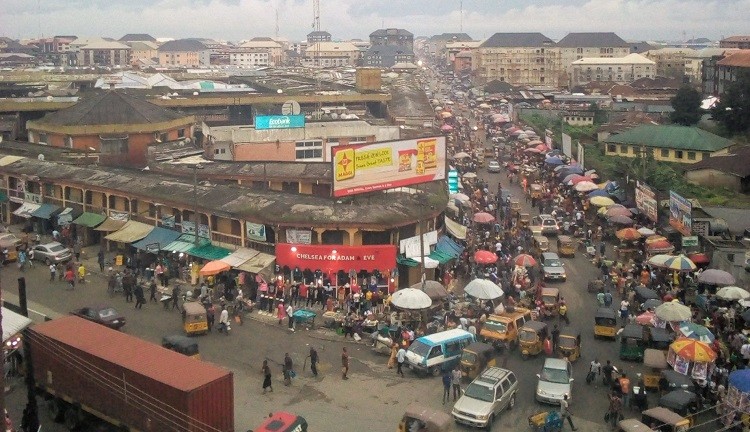
Aba town is one of Nigeria’s most energetic and industrious cities. The moment you step into its busy streets, you can feel the bustling of trade and creativity in every corner. Here, market stalls spill over with products, craftsmen fabricate goods with skill passed down through generations, and business owners pursue opportunity with unrelenting determination. It is no surprise that Aba town is widely known as one of the country’s greatest commercial and industrial hubs.
Located in Abia State in southeastern Nigeria, Aba town has grown from a modest market settlement into a bustling urban centre that attracts traders and visitors from across the region, Nigeria and Africa. Its reputation for craftsmanship, especially in leatherwork, textiles, and footwear stretches far beyond State lines. People travel from distant towns and neighbouring countries to find quality goods made in this vibrant town.
But Aba town is much more than the busy markets and booming commerce. It is a place defined by its history and sustained by its people’s resilience. In Aba, business and culture exist in harmony, each feeding the other. Families, artisans, and young entrepreneurs all contribute to a story that is deeply rooted in tradition, yet constantly evolving.
In this article, we explore Aba town in Abia State in detail. We will discover its origins, what makes its markets so remarkable, its cultural heritage, and why it continues to draw attention as a centre of enterprise and community.
Whether you are planning a visit, exploring business opportunities, or simply curious about this dynamic Nigerian city, this will bring you closer to the heart of Aba.
Location of Aba Town
Aba town is situated in the southeastern part of Nigeria, within Abia State. The city lies along the Aba River and is strategically positioned near the border with Rivers State, thus making it a natural hub for trade and travel. Aba town is divided into two local government areas: Aba North and Aba South, and it forms part of a larger urban conurbation that connects nearby towns and villages.
The town is well-connected by road to several major cities. To the east, it links to Port Harcourt, one of Nigeria’s key economic centres. To the north and west, roads lead to Umuahia, Owerri, and Ikot Ekpene, and allow goods and people to move efficiently in and out of the city. Historically, Aba’s location along the railway line from Port Harcourt further cemented its importance as a trading hub that allowed agricultural and manufactured goods to reach wider markets.
This strategic positioning has been key to the growth of Aba town. Traders from surrounding towns come to Aba to sell their produce or buy manufactured goods while business owners take advantage of its access to transportation networks and neighbouring States.
Its location is not only practical but symbolic as it highlights its role as a bridge between commerce, culture, and industry in southeastern Nigeria.
History and Growth of Aba
The story of Aba town begins long before modern urban development. Originally, it was a small settlement inhabited by the Ngwa people, a subgroup of the Igbo ethnic group in southeastern Nigeria. The town grew around a traditional market where farmers and traders from nearby villages came to exchange goods. Even in its earliest days, trade was at the heart of the identity of Aba.
The arrival of the British colonial administration in the early 20th century marked a turning point. In 1901, a colonial military post was established in the area, and by 1915, the railway from Port Harcourt reached Aba. This new connection allowed palm oil, palm kernels, and other agricultural products to flow out to larger markets while goods and ideas moved into Aba. The railway and improved road networks made Aba a focal point for commerce and settlement.
During the 1930s and 1940s, Aba expanded steadily as artisans, traders, and small-scale industrialists moved into the town. Its markets became more organized, and workshops producing textiles, leather goods, and handicrafts multiplied. The growth was not only economic but also social, as families established schools, churches, and social institutions that laid the foundation for modern urban life.
A significant moment in the broader history of the region is the Aba Women’s Riot of 1929. Thousands of Igbo women protested colonial taxation policies, and while the event was not confined to the town itself, it highlighted the strength, organization, and resilience of the people of Aba and surrounding communities. It remains a symbol of its spirit and determination.
By the late 20th century, Aba town had transformed into a bustling urban centre. Its population grew rapidly as it drew people from surrounding towns seeking business opportunities. The city became known for its ingenuity, with small workshops and market stalls producing goods that could rival imported products. Over time, Aba earned the nickname “Japan of Africa” to reflect its industrious spirit and entrepreneurial culture.
Today, Aba continues to grow by combining tradition with modernity. Markets like Ariaria International Market and numerous small-scale manufacturing centres testify to its resilience, innovation, and continued economic importance.
The history of Aba is the story of a people who turned a modest market town into one of Nigeria’s most vibrant industrial hubs.
Aba as Nigeria’s Industrial and Commercial Hub

When people think of Aba town, one of the first things that comes to mind is its reputation as a centre of trade and industry. Over the decades, Aba has grown beyond a traditional market town to become one of Nigeria’s most important industrial and commercial hubs. Its streets hum with activity from morning until night, filled with artisans, traders, and business owners who contribute to a unique ecosystem of enterprise.
What sets Aba town apart is its small and medium-scale industries. Unlike cities dominated by large factories, Aba thrives on the ingenuity and skill of thousands of small workshops. Leatherwork, shoe making, tailoring, textiles, plastics, soap production, and electronics are just a few of the industries that have earned the town national and international recognition. These industries employ generations of skilled workers who learn their crafts through apprenticeships, often within family-run workshops.
Ariaria International Market, often described as the heart of the economy of Aba town showcases this industrious spirit. Established in 1976 after a fire destroyed the old Ekeoha Market, Ariaria started as a modest cluster of stalls and workshops. Today, it spans hundreds of thousands of square metres and houses tens of thousands of traders and artisans.
Visitors to Ariaria will find bustling alleys where shoes are crafted by hand, textiles are dyed and sewn, and leather bags are designed with precision. The market supplies goods not only across Nigeria but also to West African countries like Ghana and Cameroon.
The nickname “Japan of Africa” reflects Aba’s reputation for industriousness and high-quality craftsmanship. Local entrepreneurs have developed an economy that is largely self-sustaining in producing goods that compete with imported items. Shoes, bags, and clothing from Aba are in high demand, and traders from across Nigeria and West Africa come to source products directly from the workshops.
Business in Aba town is also diverse. In addition to manufacturing, the city has thriving wholesale and retail markets, service industries, and informal trade networks. The combination of its strategic location, skilled labour, and a culture of enterprise has made Aba a hub for commerce that continues to attract investors, entrepreneurs, and buyers.
Even with its commercial success, Aba has faced challenges such as infrastructure strain and market fires. Notwithstanding, the resilience of its people keeps the economy moving. Each market alley, workshop, and small factory tells a story of determination, creativity, and community collaboration. This mix of industry, commerce, and human spirit is what makes Aba town stand out as one of Nigeria’s foremost industrial and commercial hubs.
Aba as Nigeria’s Industrial and Commercial Hub
When people think of Aba town, one of the first things that comes to mind is its reputation as a centre of trade and industry. Over the decades, Aba has grown beyond a traditional market town to become one of Nigeria’s most important industrial and commercial hubs. Its streets hum with activity from morning until night, filled with artisans, traders, and business owners who contribute to a unique ecosystem of enterprise.
Ariaria International Market
No discussion of Aba town is complete without highlighting Ariaria International Market, the heartbeat of its economy. Often described as one of the largest markets in West Africa, Ariaria is not just a place to buy and sell goods, it represents a symbol of Aba’s industrious spirit and entrepreneurial energy.
The market was established in 1976 after a fire destroyed the old Ekeoha Market. What started as a modest cluster of stalls quickly grew into a sprawling commercial hub. Today, it covers hundreds of thousands of square metres and hosts tens of thousands of traders, artisans, and manufacturers. Every alleyway tells a story of hard work, creativity, and the drive to succeed.
Ariaria is particularly famous for its locally made leather goods, shoes, bags, and textiles. Skilled craftsmen handcraft shoes with precision, sew vibrant fabrics into fashionable garments, and fabricate leather into durable products that are sold across Nigeria and even exported to neighbouring countries. Many of these artisans learned their skills through apprenticeships within family-run workshops, in keeping with the tradition.
More than a commercial space, the market is a microcosm of the economic ecosystem of Aba town. Manufacturers, wholesalers, and retailers work side by side. Traders source materials from suppliers within the market, produce goods in small workshops, and sell directly to consumers or other businesses. This self-sustaining model has helped Aba to earn the nickname “Japan of Africa” as a reflection of its reputation for efficiency, productivity, and high-quality craftsmanship.
Visiting Ariaria is an experience in itself. The market is vibrant and bustling, filled with the sounds of commerce – sellers calling out their wares, the hum of sewing machines, the rhythm of hammers constructing leather. It is a place where locals and visitors alike can witness the skill, dedication, and ingenuity that define Aba town. For anyone interested in business, entrepreneurship, or Nigerian culture, Ariaria International Market is both a practical and inspiring destination.
Whether you are shopping for quality shoes, exploring wholesale opportunities, or simply soaking in the atmosphere, Ariaria International Market embodies the attributes of Aba which are: industrious, resilient, and full of life.
Business Opportunities in Aba
Aba town is not just a hub for buying and selling, it is a land of opportunity for entrepreneurs and investors. Its economy thrives on creativity, skill, and the enterprising spirit of its people. From small workshops to large-scale trading, Aba offers a wide range of business opportunities that appeal to both local and international investors.
One of the most promising areas is small and medium-scale manufacturing. Aba is home to thousands of artisans producing shoes, bags, textiles, leather products, and household goods. Many of these workshops operate on a family-run model which keeps costs low and allows for flexible production. Entrepreneurs can invest in these industries by supplying raw materials, creating distribution networks, or partnering with local manufacturers to expand production.
Another opportunity lies in wholesale and retail trade. Markets like Ariaria International Market and Ekeoha Shopping Centre attract thousands of shoppers daily, thereby creating a constant demand for goods. Investors can set up wholesale shops, import complementary products, or establish supply chains to reach broader regional markets. The demand for high-quality Aba-made products continues to grow both within Nigeria and across West Africa.
Real estate and infrastructure development is another thriving sector. As Aba’s population grows, there is increasing demand for housing, commercial spaces, and logistics facilities. Investors who provide modern shops, warehouses, or residential properties can tap into the city’s expanding urban population. As roads and transportation networks continue to improve, it becomes easier to move goods and services efficiently.
Service-based businesses also flourish in Aba. Restaurants, hotels, logistics, banking, and educational services are in constant demand. Many people traveling to Aba for trade need accommodations, eateries, and transportation services. This creates consistent revenue streams for service providers.
Even tech and e-commerce ventures are finding room in the economy. With the increasing availability of internet services and digital payments, online retail, delivery services, and digital marketing agencies are starting to tap into Aba town’s vibrant business community.
The key to success in Aba town is understanding the local market, building relationships with artisans and traders, and maintaining flexibility. The city rewards creativity, resilience, and persistence. Those willing to invest time and resources can benefit from the unique combination of skilled labour, strategic location, and a bustling commercial ecosystem.
Simply put, Aba town is a launch-pad for ideas, businesses, and growth. Its markets, workshops, and trade networks create endless opportunities for those willing to engage with the city’s industrious spirit.
Cultural Heritage and Tourism in Aba

Aba River
While Aba town is widely celebrated as a commercial and industrial hub, it is also a place rich in culture and heritage. Beyond the bustling markets and workshops, Aba offers a glimpse into the traditions, artistry, and lifestyle of the Igbo people who call this city home.
The people of Aba are predominantly Igbo, an ethnic group known for their entrepreneurial spirit, vibrant culture, and strong sense of community. Traditional festivals and ceremonies are a key part of life in Aba town. These events, often tied to agricultural cycles or community milestones feature music, dance, and masquerades that highlight centuries of cultural heritage. Visitors can experience performances of traditional Igbo dances, drum ensembles, and local masquerades that celebrate both history and identity.
Aba town is also known for its arts and crafts. The artisans produce intricate carvings, beaded accessories, and textiles that capture the creativity and skill of the local people. Many of these crafts are displayed and sold in markets or cultural centres, thus offering tourists a chance to take home authentic pieces of Igbo heritage. The craftsmanship here is not only functional but also tells stories of tradition, family, and community pride.
Cuisine is another highlight of Aba’s culture. The city offers a wide range of traditional Igbo dishes, from ofe ohaji and garri with local soups to grilled meats and snacks sold in street markets. Eating in Aba town is often a communal experience, with family-owned eateries and street vendors serving meals that have been perfected over generations. Food here is not just sustenance, it is a way to connect with the history and identity of the people.
For tourists, Aba town offers more than markets and food. The neighbourhoods, churches, schools, and cultural centres provide insight into daily life. Exploring Ariaria Market or strolling through local streets gives a sense of the rhythm of commerce and community intertwined. Even in its busy streets, Aba retains a warmth and friendliness that makes visitors feel welcome.
The combination of commerce, culture, and community makes Aba town a unique destination. Visitors can shop for locally made products, watch artisans at work, enjoy traditional music and dance, and sample authentic Igbo cuisine, all in one city. It is a place where history, tradition, and modern enterprise coexist to offer a complete cultural experience that reflects the heart of southeastern Nigeria.
Famous People Connected to Aba
Aba town is not only known for its bustling markets and industrious spirit. it is also known for producing people who have made significant contributions in business, politics, and society. The culture of hard work and entrepreneurship has inspired individuals whose influence extends beyond the borders of Abia State.
One notable figure is Onwuka Kalu, a successful businessman and industrialist. He is widely recognized for promoting local manufacturing in Nigeria, particularly in the leather and shoe industry. Kalu’s work highlights the ingenuity of the artisans and the reputation of Aba town as a centre of craftsmanship.
Another influential personality is Alex Mascot Ikwechegh, a politician and philanthropist with deep ties to the city. He served as Local Government Chairman in Aba North and played a role in advancing education, infrastructure, and community development. His contributions underscore the commitment of Aba natives to building a stronger, more connected city.
Aba town has also nurtured countless entrepreneurs whose names may not appear in headlines but whose impact is felt across Nigeria and West Africa. Traders and manufacturers in Ariaria International Market often rise from humble beginnings to establish businesses that reach national and international markets. These stories represent Aba’s ethos: talent, perseverance, and enterprise thrive here.
Even beyond business and politics, Aba natives have contributed to education, healthcare, and social initiatives. Teachers, doctors, and community leaders continue to impact the city while maintaining the traditions and values that have made Aba town a respected urban centre.
These individuals, both the prominent and everyday heroes illustrate why Aba town is considered a cradle of talent and entrepreneurship. The influence of the city extends far beyond its borders to show how a vibrant community, dedicated to hard work and creativity, can leave a lasting mark on the society.
Landmarks and Places of Interest in Aba

Beyond its markets and workshops, Aba town is home to several landmarks and places of interest that reflect its history, civic life, and everyday rhythm. These locations may not always appear on glossy travel brochures but they are deeply meaningful to residents and help to tell the story of the city.
One of the most recognizable landmarks in Aba is the Aba River from which the town takes its name. Historically, the river supported early settlement and trade by serving as a natural meeting point for surrounding communities. While it no longer plays the same economic role it once did, the river remains a geographic and symbolic feature of Aba town that reminds the residents of the its origins.
Aba Main Market, also known as Ahia Ohuru or Ekeoha Shopping Centre is another important place of interest. Before the rise of Ariaria International Market, Aba Main Market was the commercial heart of the city. It remains a busy retail centre today where food items, household goods, clothing, and electronics are sold. For many residents, it is part of daily life and a key part of Aba’s commercial identity.
Ariaria International Market itself is more than a marketplace and stands as a landmark in its own right. Its vast size, dense concentration of artisans, and global reputation make it one of the most significant commercial landmarks in southeastern Nigeria. Visitors often come not just to shop but to observe production processes and experience the scale of indigenous manufacturing in Aba town.
In the civic space, Abia State Government offices in Aba town, including various administrative buildings and courts mark the importance of the city within the State. These institutions highlight its role not only as a commercial centre but also as a key urban hub in the governance of Abia State and public life.
Religious landmarks also define the landscape of Aba town. Prominent churches such as St. Michael’s Anglican Church and Catholic parishes across Aba represent the strong Christian presence in the town. These places are not only centres of worship but also venues for community gatherings, education, and social support.
For leisure and relaxation, areas such as Ogbor Hill on the outskirts of Aba offer a different perspective of the city. The hill provides a natural contrast to the busy commercial areas and holds historical significance from the Nigerian Civil War era. It serves as a reminder of the broader historical experiences that have shaped the region.
Together, these landmarks and places of interest present Aba town as more than a centre of trade as they reveal a city shaped by geography, history, faith, and community life. Exploring these locations allows visitors and residents alike to better understand the depth and character of Aba, beyond its reputation as an industrial powerhouse.
Modern Life and Lifestyle in Aba
Life in Aba town today is a blend of tradition, commerce, and urban energy. Walking through its streets, you see a city constantly in motion. Market vendors call out their wares, motorcycles and vehicles navigate busy roads, and artisans work diligently in small workshops. Yet, amid the hustle, there is a rhythm and warmth that make Aba feel like a close-knit community, despite its size.
Modern amenities are part of everyday life in Aba. The city has schools, hospitals, banks, and shopping centres that cater to its growing population. Educational institutions such as Abia State Polytechnic and Covenant Polytechnic provide opportunities for young people to gain skills that feed into its industrial and commercial sectors. These institutions also contribute to a vibrant student life which give energy and innovation to its streets.
Housing and urban development have expanded alongside commerce. Residential areas range from family homes to modern apartment complexes. Roads, though often busy, connect key parts of the city while small businesses, eateries, and local shops provide essential services to residents and visitors alike.
Aba town’s lifestyle highlights the industrious spirit of its people. Many residents start their day early, balancing family life with business or work. Weekends often revolve around markets, social gatherings, or community events. Food culture is central to daily life, with street vendors offering local dishes, small restaurants serving traditional meals, and modern cafes catering to the younger residents and tourists.
Entertainment and leisure also have their place. Music, nightlife, and cultural festivals give the city a lively atmosphere while churches and community centres provide space for reflection, learning, and social bonding. Despite its growth, Aba maintains a sense of community where people know their neighbours, support local businesses, and participate in cultural traditions.
In essence, modern life in Aba town is a balance between the old and the new. Residents navigate the demands of commerce, education, and urban living while preserving the traditions and values that have influenced the city for generations. It is a lifestyle that is dynamic, resilient, and deeply connected to the heart of southeastern Nigeria.
In Conclusion …
Aba town in Abia State is a city that tells a story of resilience, creativity, and enterprise. From its beginnings as a small market settlement for Ngwa people, it has grown into one of Nigeria’s most dynamic industrial and commercial hubs. Its markets, especially the famous Ariaria International Market showcase the skill, ingenuity, and hard work of local artisans whose products reach across Nigeria and beyond.
But Aba is more than just the commerce. It is a place rich in culture, tradition, and community. Festivals, traditional music, cuisine, and arts highlight the heritage of its people while blending seamlessly with modern urban life. The city is home to entrepreneurs, innovators, and everyday heroes who contribute to its vibrancy and continued growth.
For visitors, business travelers, and investors alike, Aba town offers a unique combination of opportunity, culture, and experience. Its strategic location, industrious population, and thriving markets make it not just a destination but a story of human ambition and community spirit.
In every street, workshop, and market stall, Aba town affirms why it remains at the heart of southeastern Nigeria’s economy and culture. Whether you are exploring business opportunities, shopping for quality local products, or simply immersing yourself in Igbo culture, Aba leaves a lasting impression of a city where history, commerce, and heritage meet in vibrant harmony.
References
- https://www.britannica.com/place/Aba-Nigeria
- https://abiastate.gov.ng/about-abia/
- https://articles.connectnigeria.com/aba-south-eastern-nigerias-thriving-commercial-hub/
- https://businessday.ng/life/article/how-aba-is-regaining-its-charm-as-commercial-hub-of-abia-state/
- https://todayafrica.co/ariaria-international-market-aba/
- https://en.wikipedia.org/wiki/Ariaria_International_Market
- https://en.wikipedia.org/wiki/Onwuka_Kalu
- https://en.wikipedia.org/wiki/Alex_Mascot_Ikwechegh
You might want to check out …