





Igbo History & Heritage
Ede Aro Festival in Abagana: History, Traditions, and Cultural Significance

Ede Aro festival is an annual cultural celebration that honours the cocoyam harvest with traditional rituals, masquerade performances, and community heritage in Abagana, Anambra State.
Whenever the year draws to a close in Abagana, the community usually takes on a different rhythm. The streets hum with anticipation, drums echo through the open squares, and the aroma of fresh cocoyams fills the air.
This is the season of Ede Aro festival, a celebration that goes far beyond music, dance, or colourful masquerades. It is a festival rooted in gratitude, tradition, and community. It provides a moment for Abagana to honour the harvest, the hard work of its women, and the spiritual ties that have held the town together for generations.
Ede Aro festival is a living story. It is told through the careful offering of cocoyams to the Aroh deity, the striking performances of masquerades, and the collective joy of a community gathering to mark the end of another year. For the locals and the visitors alike, the festival is an invitation to step into a world where heritage is celebrated, unity is visible in every ritual, and the past meets the present in a vibrant display of culture.
In this article, we explore the history, rituals, and cultural significance of Ede Aro festival. We will uncover the traditions that give it life, the spiritual practices that guide it, and the ways it continues to define the Abagana identity today.
Whether you are a curious traveller, a lover of African culture, or someone seeking to understand Igbo traditions, Ede Aro festival offers a window into the heart of Abagana.
History and Origins of Ede Aro Festival
The story of Ede Aro festival began deep in the heart of Abagana where daily life had always moved in harmony with the seasons and the land. In this part of Anambra State, agriculture was more than work, it was a practice that shaped the culture, beliefs, and social connections of the community.
While many Igbo harvest celebrations focus on yam, Ede Aro festival is distinct in its focus on cocoyam, a crop traditionally nurtured by women. Generations ago, women in Abagana carefully planted, tended, and harvested cocoyams, not merely for sustenance but as a vital thread in the social and spiritual fabric of the town. Their labour connected the people to the land, to each other, and to the ancestors who watched over the community.
Over time, the harvest of cocoyams became more than a routine agricultural task. It evolved into a vibrant festival that wove together gratitude, ritual, and celebration. Women began offering portions of their cocoyams to the Aroh deity, the spiritual guardian of Abagana as a symbol of thanks for the harvest and protection for the future.
These offerings were not just gifts to a deity, they represented the community’s connection to the earth, the cycles of life, and the ancestral spirits who guided and protected them. Through this ritual, Ede Aro festival became a space where the physical and spiritual worlds intersected to create a sacred moment of reflection, joy, and unity.
The festival also served as a way to celebrate resilience and communal strength. It reminded the people that their survival, prosperity, and happiness were tied not just to the land but to cooperation, respect, and shared effort. Over generations, this tradition grew into a celebration of women’s contribution to the well-being of the town, thus teaching the younger members about diligence, gratitude, and cultural pride.
Today, Ede Aro festival carries a living history. It is a story of women’s labour, spiritual devotion, and communal unity passed down through centuries. Each year, when the festival returns, it becomes a moment for Abagana to honour its roots, preserve its identity, and carry forward a tradition that binds the community together. The festival reminds everyone, both the locals and visitors alike that culture is alive, lived, and celebrated in every offering, dance, and song.
When and Where Ede Aro Festival Is Celebrated
Every December, Abagana prepares for a transformation. The usual rhythm of the town slows for a moment to give way to the excitement and anticipation that signals the arrival of Ede Aro festival. The timing is not random. It usually falls on the last Afor market day of the year, a date carefully chosen according to the traditional Igbo calendar. This moment marks the culmination of the cocoyam harvest when women bring the fruits of their labour to offer thanks, and the entire community gathers to celebrate together.
The centre of the festival is the Afor market square. This is a space that is usually a hub for trade but transforms into the centre of cultural life during the festival. From early morning, people begin to arrive – the locals and visitors alike filling the square with energy, colours, and the smells of festive foods. By day and into the evening, music, dance, and masquerade performances bring the space alive as they create an atmosphere that mixes joy, tradition, and reverence.
Ede Aro festival is about how time and place come together to honour an Abagana heritage. The timing aligns with the harvest, and the square becomes a stage where history, culture, and community converge in a celebration that is uniquely Abagana.
Key Rituals and Traditions

Ede Aro festival comes alive through a series of customs, rituals, and performances, with each carrying its own meaning and cultural significance. Central to the festival is the cocoyam offering by women. Women who, traditionally are responsible for cultivating cocoyams bring a portion of their harvest to the Aroh deity.
These offerings express gratitude for the year’s yield and seek protection and prosperity for the coming year. The ritual highlights the vital role women play in both agriculture and the preservation of Abagana cultural heritage. As they present their cocoyams, women often sing traditional songs in a way that blends reverence with celebration.
Before the festivities reach full swing, the chief priest performs sacred rites to ensure the well-being of the community and the smooth execution of the event. These spiritual preparations include blessings, prayers, and sacrifices that link the living community to ancestral spirits as a way of reminding participants of their shared history and values.
The masquerade performances form one of the most striking elements of the festival. Masquerades, believed to represent ancestral spirits appear in elaborate costumes and move rhythmically to the beat of drums as they tell stories through dance and ritual. Before performing publicly, the masquerades visit the chief priest to seek approval. During the festival, a two-day ceremonial contest takes place where masquerades engage in playful challenges that draw laughter, applause, and awe from both locals and visitors.
Participants often mark their foreheads with sacred white chalk called nzu to symbolize purity, loyalty, and devotion. This small but meaningful practice visually unites the community and strengthens the spiritual and cultural bond among all who take part.
Music, dance, and communal gatherings flow through every part of the festival. The Afor market square transforms from a place of trade into a hub of joy and cultural expression. People reconnect, share stories, and pass traditions down to the younger generations. These performances entertain while teaching the values, history, and social norms of Abagana, thus ensuring that their heritage is experienced firsthand.
At the close of the festival, final prayers and blessings are offered to the Aroh deity and the ancestors. These concluding rituals leave participants with a sense of fulfillment, spiritual connection, and communal harmony that emphasize its role as a bridge between the past, present, and future.
Together, these rituals and traditions make Ede Aro festival a vibrant celebration of life, spirituality, and community. They honour Abagana heritage, teach the younger generations, and allow the community to share moments of joy, gratitude, and unity that endure long after the festival ends.
Cultural and Social Significance
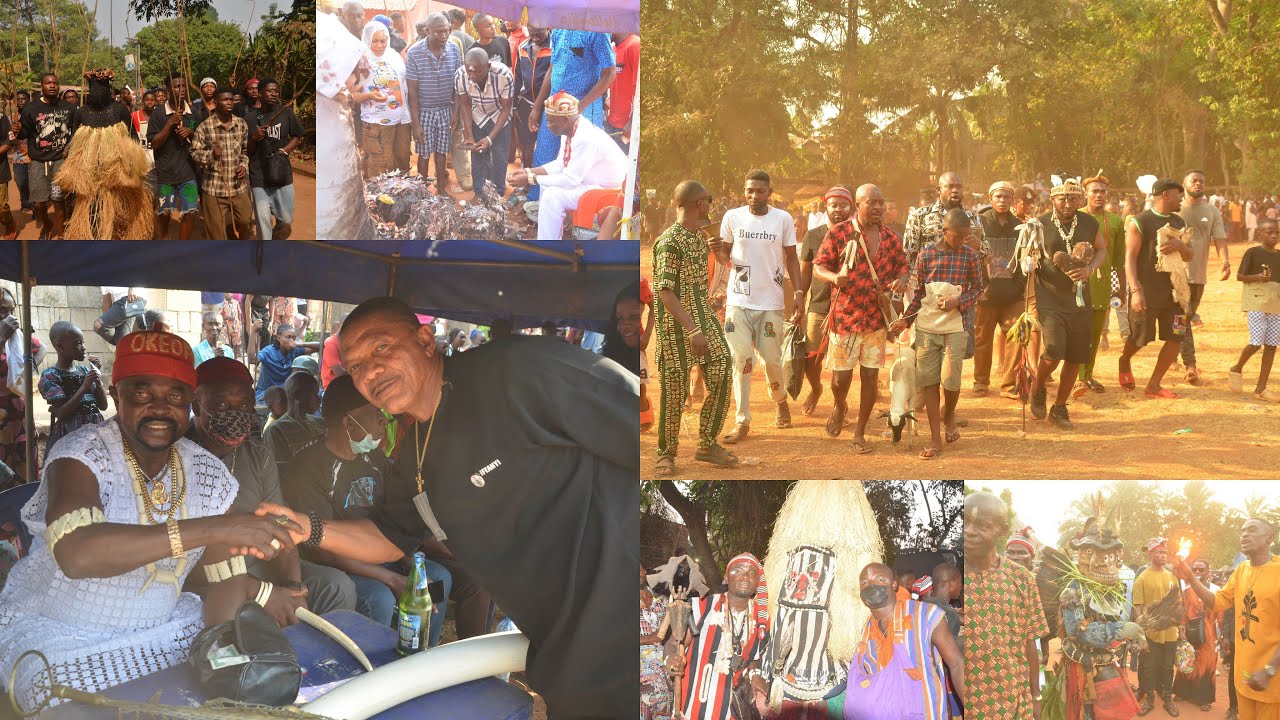
Ede Aro festival is far more than a celebration of cocoyam harvests. It is a living expression of the identity, culture, and social unity of Abagana. At its core, the festival shines a spotlight on the vital role of women in the community. Unlike many Igbo festivals that centre on yam and masquerades, Ede Aro festival honours cocoyam, a crop closely tied to women’s labour, skill, and dedication.
Through their offerings, songs, dances, and active participation, women are celebrated as the backbone of both its economy and cultural life. The festival is a recognition of their tireless work, a public acknowledgment of their contributions, and a way to inspire younger generations to value diligence, stewardship, and cultural pride.
Beyond celebrating women and agriculture, the festival strengthens community bonds. The Afor market square transforms into a vibrant hub where neighbours reconnect, families reunite, and visitors are welcomed into shared traditions. These gatherings allow people to exchange stories, pass down lessons, and reinforce the social norms that define Abagana. The festival provides a platform for teaching the younger generations about respect, collective responsibility, and the importance of preserving heritage, all in a lively, engaging, and memorable way.
Spiritual and moral values are also central to Ede Aro festival. Offerings to the Aroh deity, the rhythmic masquerade performances, and priestly blessings connect participants to ancestral guidance and divine protection. These rituals reinforce ideals of gratitude, respect, and communal responsibility. Every gesture, from the simple application of nzu on foreheads to the elaborate masquerade dances, embodies unity, loyalty, and harmony between humans, the environment, and the spiritual world.
On a broader social level, Ede Aro festival nurtures a sense of pride and belonging. For the people of Abagana, it is a vivid reminder that their culture is alive, valued, and relevant, even as the world modernizes. It is an event that bridges generations, creates shared memories and strengthens community cohesion. For visitors, the festival offers an immersive cultural experience that provides insight into the heritage of the community and creates a bridge that connects the town to the wider world.
Ultimately, Ede Aro festival is not just about celebrating a harvest, it is a celebration of life, identity, and shared values. It honours tradition, nurtures communal bonds, and ensures that Abagana cultural legacy continues to flourish. Each drumbeat, song, dance, and offering tells a story of unity, resilience, and pride that will resonate for generations to come.
Challenges and Modern Changes
Like many traditional festivals across Nigeria, Ede Aro festival faces the realities of a changing world. Modern life, urbanization, and shifts in social values have brought new challenges to this Abagana centuries-old celebration. Some younger people are moving to cities for education and work, thereby leaving fewer participants to fully engage in traditional preparations. This has, sometimes, led to smaller community involvement or changes in how the rituals are performed.
Religious and cultural influences have also shaped participation in the festival. While many still honour the spiritual aspects, some community members now approach it more as a cultural event than a religious one. This shift has affected certain traditional practices, including the sacrificial offerings and some of the more ritualized performances. Yet, the core of the festival which is the cocoyam harvest celebration, masquerade performances, and communal gathering remains intact.
Urbanization and modern lifestyles have brought conveniences but also distractions. With the rise of digital entertainment, social media, and alternative forms of leisure, fewer young people may feel connected to traditional rhythms. However, community leaders and elders continue to encourage participation in a way that ensures that the festival remains a central part of Abagana cultural life.
Despite these challenges, Ede Aro festival has shown remarkable resilience. Efforts to preserve the traditions, educate the younger generations, and involve the wider community have allowed it to adapt without losing its essence. Modern changes have not replaced the rituals but, in some cases, have helped to present them in ways that are accessible and engaging for both the locals and visitors.
Overall, the festival reflects a community that values heritage while navigating the realities of contemporary life. It remains a vital celebration that honours history, reinforces identity, and invites everyone to experience the rich cultural heritage of Abagana.
Tourism and Visitor Experience
For visitors, Ede Aro festival offers more than a chance to observe a local celebration. It is an invitation to step into a living, breathing tradition. From the moment you arrive at the Afor market square, Abagana greets you with vibrant colours, rhythmic drumming, and the infectious energy of a community coming together. The locals and visitors alike are drawn into a space where music, dance, ritual, and storytelling create a fully immersive cultural experience.
One of the most moving experiences for visitors is watching the women present their cocoyam offerings. The ceremonial nature of the act, paired with traditional songs, chants, and dances reflects deep spiritual and social meaning. Every gesture, from the careful placement of cocoyams to the soft murmurs of gratitude conveys respect for the ancestors, the land, and the community. It is a moment of pride and reverence that leaves a lasting impression on anyone who witnesses it.
The masquerade performances are another unforgettable highlight. Dressed in spectacular, elaborate costumes, masquerades move with dynamic energy as they perform dances and ritual contests that captivate every onlooker. Visitors often find themselves drawn into the festivities, as they clap along with the rhythms, join in dances, or simply observe the intricate symbolism embedded in each movement. These performances are both entertaining and enlightening. For one, they offer insight into the spiritual and cultural world of Abagana.
Beyond the ceremonies, the festival provides a unique opportunity to engage directly with the community. Conversations with the elders reveal stories of past festivals, the evolution of the rituals, and the lessons that have been passed down through generations. These interactions allow visitors to connect on a personal level with the history, culture, and values of the town, thereby transforming a simple visit into a deeply meaningful experience.
For travellers interested in culture, history, and authentic local experiences, Ede Aro festival is a rare and enriching opportunity. It is a festival that appeals to all senses – the visual spectacle of colourful costumes, the rhythm of drums and chants, the taste of traditional foods, and the shared joy of a community honouring its heritage.
Attending the festival does not only provide an opportunity to witness tradition, it enables one become part of a living culture that continues to thrive in Abagana.
In Conclusion …
Ede Aro festival in Abagana goes beyond mere celebration of the cocoyam harvest to vibrantly express community, culture, and continuity. From the careful offerings of cocoyams by women to the striking masquerade performances, every element of the festival carries a story, one of gratitude, spiritual connection, and communal pride.
Through centuries, the festival has preserved the identity of the community by teaching the younger generations about their heritage while bringing the community together in joy and reflection. It bridges the past and the present as it shows how tradition can thrive even amid modern challenges. The music, dances, rituals, and shared moments of celebration create memories that resonate far beyond the Afor market square, thus leaving a lasting impression on all who witness them.
For the locals, Ede Aro festival strengthens bonds, honours the contributions of women, and reinforces spiritual and moral values. For the visitors, it offers a window into a culture that is alive, dynamic, and deeply rooted in history. Experiencing the festival is to step into a world where the land, the people, and their traditions come together in harmony and celebration.
Ultimately, Ede Aro festival is a reminder that culture is not only something to be remembered, it is something to be lived, celebrated, and shared. It stands as a testament to the enduring spirit of Abagana as it offers a journey into the heart of Igbo heritage where every song, dance, and ritual tells a story of community, gratitude, and life itself.
References
- https://nnewicity.com/abagana-anambra-history-culture-landmarks-and-more/
- https://globalupfront.com/2025/12/21/abagana-set-for-ede-aroh/
- https://www.finelib.com/events/festivals/edearoh-abagana/306
- https://ozikoro.com/ede-aro-festival-celebrating-the-cocoyam-harvest-in-abagana/
- https://globalupfront.com/2025/12/21/abagana-set-for-ede-aroh/
- https://globalupfront.com/2025/12/31/abagana-celebrates-ede-aro/
- https://anambrastate.gov.ng/