




Nigerian Ethnic Groups
Ika People of Nigeria: Full History, Language, Culture and Traditions

Ika people of Nigeria are a distinct ethnic group known for their rich history, language, culture, and traditions in Delta and Edo states, with a legacy influenced by farming, community life, and deep roots in the Igbo cultural family.

The Ika people are a vibrant community situated in parts of Delta and Edo states in southern Nigeria, with a history that stretches back centuries. They are part of the larger Igbo family but carry their own culture and identity. From the bustling Agbor and Umunede to the smaller villages tucked between rivers and fertile farmlands, life among the Ika people is a mix of tradition, community, and resilience.
The Ika people have a rich story to tell ranging from their language which, though closely related to Igbo but is uniquely Ika, and carries generations of knowledge and values; their festivals which bring the entire villages together in colourful displays of dance, music, and gratitude; to their traditions -from marriage rites to storytelling. All these connect the present to a past that was influenced by migration, farming, and community life.
In this article, we explore everything that makes the Ika people remarkable. You will discover their origins, history, language, culture, and festivals, and meet the notable personalities who have carried their heritage onto national and global stages.
Whether you are curious about Nigerian ethnic groups, interested in culture, or seeking to understand the depth of Ika identity, this guide offers a warm, detailed, and authentic look at a people whose story is as rich as the lands they call home.
Who Are the Ika People?
The Ika people are a proud and lively ethnic group in southern Nigeria primarily found in Delta State and parts of Edo State. They are widely recognized as part of the larger Anioma community, a collective of western Igbo-speaking groups. Despite their connections to the Igbo cultural family, the Ika people have maintained their own unique identity, language, and traditions that set them apart.
Most Ika communities are centered around towns like Agbor, Owa, Umunede, Igbanke, and Otolokpo, each of which has its own local leadership, customs, and stories. Life in these towns revolves around farming, trade, and strong community bonds. The elders are respected, and age grades play a role in guiding social responsibilities, while families uphold traditions that stretch back generations.
The Ika people speak the Ika language which is a distinct Igboid dialect. For Ika people, language is more than a means of communication. It is a repository of history, culture, and communal values. Even with the spread of English and formal education, many families continue to teach Ika to their children as a way of ensuring that the language and cultural memory remain alive.
Beyond language, the Ika people are known for their festivals, music, dance, and rich storytelling traditions. All of these foster a sense of belonging and identity. Their history is layered with tales of migration, settlement, and interaction with neighbouring groups, thereby creating a culture that is both diverse and cohesive.
In essence, the Ika people are a community where history and tradition meet everyday life, where family, language, and festivals are interwoven, and where cultural pride thrives in modern Nigeria.
Origins and Historical Background

The story of the Ika people stretches back centuries, and is rooted in a rich blend of migration, settlement, and cultural exchange. Scholars generally agree that the Ika are part of the Igboid family which makes them a subgroup of the larger Igbo-speaking peoples of Nigeria. At the same time, their culture shows subtle influences from neighbouring regions that reflect centuries of interaction and adaptation.
Many Ika communities trace their origins to migrations from the east where the ancestors of the Igbo lived, moving westward to settle along the fertile lands of present-day Delta State. Oral histories from towns like Agbor, Umunede, and Igbanke tell of early settlers seeking fertile farmland, safe river valleys, and communities where they could thrive. These migrations formed the social structure and communal bonds that remain strong in Ika towns today.
Historical records from colonial administrators also mention the Ika as a distinct ethnic group by the late 19th and early 20th centuries. They were recognized for their farming skills, market trading, and strong village organization. Local chiefs and elders played central roles in settling disputes, overseeing land use, and organizing festivals, a tradition that continues till today.
Over time, some Ika communities engaged in interactions with the Benin Kingdom which border to the west. While they shared certain cultural practices and political connections, the Ika people retained a distinct identity, particularly in language and local customs. Scholars note that this mix of connections and separations helped to shape a culture that is uniquely Ika, rooted in the Igbo family but independent in its own right.
Today, the origins of the Ika people are celebrated in oral storytelling, historical narratives, and cultural festivals. From clan histories to migration tales, these stories provide insight into how the Ika people adapted to new lands, built communities, and created a social fabric that honours both ancestry and the present.
In essence, understanding the origins of the Ika people is not just about tracing movement across geography, it is about seeing how community, land, and history combined to form a culture that still thrives in modern Nigeria.
Language of the Ika People
Language is one of the most important markers of identity for the Ika people. The Ika speak a dialect that belongs to the Niger-Congo language family, specifically within the Nuclear Igboid branch. This means that while Ika shares many features with standard Igbo, it also has its own unique words, pronunciation, and expressions that make it distinct.
Across Delta and Edo states, Ika communities have small variations in how words are spoken or certain expressions are used. For example, the way elders greet visitors in Umunede may sound slightly different from the greeting in Agbor. Yet, the meaning is understood by all Ika speakers. These subtle differences add flavour to the language without separating the communities from one another.
More than just communication, the Ika language carries history, values, and social rules that have been passed down for generations. Proverbs, storytelling, and songs in Ika are used to teach lessons, honour the elders, and preserve cultural memory. Even in modern times where English is taught in schools, families often speak Ika at home to ensure children grow up connected to their roots.
Efforts to preserve the language are ongoing. Community leaders, local schools, and cultural groups encourage the use of Ika in festivals, traditional ceremonies, and storytelling sessions. This helps the younger ones appreciate their heritage, oral traditions, and collective identity.
The language also serves as a bridge to understanding other Igboid dialects. Linguists studying Igbo and related languages note that Ika provides insight into migration patterns, cultural exchange, and historical links between communities in southern Nigeria. It is a living testament to the resilience and continuity of the Ika people, a thread that connects past, present, and future.
Essentially, the Ika language is at the heart of the community. It is a tool for communication, a keeper of tradition, and a source of pride that reinforces the unique identity of the Ika people in Nigeria.
Culture and Traditions
The Ika people have a culture that is deeply rooted in community, family, and shared history. From daily life to major celebrations, traditions guide social behaviour and strengthen bonds among towns and villages. The Ika culture is not static. It has evolved over time by blending ancestral practices with the realities of modern life while maintaining a strong sense of identity.
Family is the cornerstone of Ika society. Extended families often live close together, and support one another in farming, business, and community responsibilities. The elders are highly respected and consulted for guidance, and age grades organize communal duties, including maintaining roads, organizing festivals, and overseeing rites of passage. This structure ensures harmony, fairness, and continuity of traditions across generations.
Marriage is another important cultural aspect. Traditional Ika marriages are celebrated with ceremonies that include music, dance, and communal feasts. Marriage rites often involve negotiations between families, gifts, and symbolic gestures that honour the ancestors and their wishes. These practices strengthen respect for family ties and communal values.
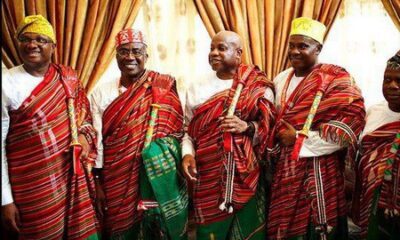
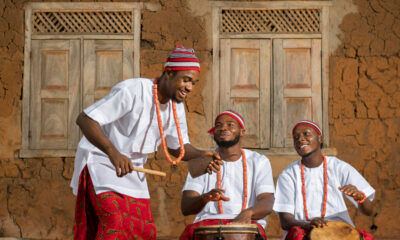
The Ika people are equally known for lively festivals that unite entire communities. Festivals such as the Iwa-gi (New Yam Festival) and other local celebrations highlight farming cycles, thanksgiving, and ancestral respect. During these events, people wear traditional attire, perform dances, and share stories that pass cultural knowledge to the younger members of the community. Music, masquerades, and communal meals create a joyful atmosphere that strengthens social cohesion.
While most Ika people today practice Christianity, traditional beliefs remain part of the cultural fabric. Many families still revere ancestral spirits, participate in traditional rites, and observe customs that connect them to their history. Religion and tradition coexist in a way that preserves identity while adapting to modern influences.
Art and music play an important role in Ika life. Traditional crafts, weaving, and carving reflect local aesthetics and community values. Music accompanies dances at festivals, funerals, and weddings to create a rhythm that binds the community. Storytelling is particularly valued. Elders share folktales, proverbs, and historical accounts that teach lessons about morality, bravery, and community responsibility. These stories ensure that knowledge, values, and history are passed down through generations.
Farming has traditionally been central to Ika life. Crops such as yams, cassava, and vegetables support both local consumption and trade. Market days bring communities together, and offer opportunities to socialize, exchange goods, and maintain connections. Even as many Ika people pursue modern professions in education, business, and government, these traditional practices continue to influence everyday life.
Overall, the culture and traditions of the Ika people are a living, dynamic part of their identity. From family life to festivals, from music to storytelling, these customs provide continuity with the past they embrace the present. They illustrate a community that values connection, heritage, and the preservation of a unique Nigerian identity.
Festivals and Celebrations

Festivals are part of Ika culture. They are moments the communities come alive by bringing together music, dance, food, and storytelling. For the Ika people, festivals are not only a form of celebration but also a way to revere the ancestors, mark important seasons, and strengthen social bonds.
Iwa-gi (New Yam Festival)
One of the most important festivals among the Ika people is the Iwa-gi, also called the New Yam Festival. This festival, like similar ones in Igboland celebrates the harvest season, particularly the first yams of the year which are a staple food and symbol of prosperity. During Iwa-gi, families give thanks to the earth, their ancestors, and the deities for a bountiful harvest.
Preparations for Iwa-gi begin weeks before the festival. Villages are cleaned and decorated, elders consult traditional rites, and families prepare special dishes made from yams and other local produce. On the festival day, people dress in vibrant traditional attire, perform dances, and sing songs that honour the community’s history. The festival is a time of gratitude, joy, and togetherness.
Masquerade Festivals
Masquerades are another key part of Ika celebrations. These performances involve masked dancers representing spirits or the ancestors. Masquerades appear at festivals, funerals, and special community events. They tell stories, entertain, and remind the community of its traditions and values. The dances are often accompanied by drums, flutes, and other traditional instruments, creating a rhythm that unites the villagers in shared experience.
Community Ceremonies
Other celebrations in Ika towns include marriage ceremonies, initiation rites, and naming ceremonies. Each of these carries its own cultural significance. During these events, families, friends, and neighbours gather to celebrate milestones, honour the elders, and pass down lessons through generations in meaningful ways.
For the Ika people, festivals offer more than entertainment. They are a vital part of community life that foster unity and continuity. Festivals also preserve the language, traditional songs, and dances in a way that ensures that the younger ones understand their heritage. Through these celebrations, the Ika people maintain a strong sense of identity, pride, and belonging.
Put simply, festivals among the Ika people are colourful, lively, and deeply meaningful. They celebrate the cycles of life, honour the past, and bring communities together in a way that strengthens both culture and social bonds.
Notable Ika Personalities
The Ika people have contributed to Nigeria’s political, business, and cultural heritage through individuals who carry their heritage proudly into national and global spaces. These notable personalities reflect the talent, resilience, and influence of the Ika community.
1. Ifeanyi Okowa
Ifeanyi Okowa who is from Ika South in Delta State served as the Governor of Delta State from 2015 to 2023. His leadership focused on infrastructure, education, and health which made him one of the most prominent political figures from the Ika community.
2. Jim Ovia
Jim Ovia is a renowned businessman from the Ika region best known as the founder of Zenith Bank, one of Nigeria’s largest commercial banks. His work has not only impacted the financial sector but has also inspired young entrepreneurs across Nigeria.
3. Lucky Irabor
General Lucky Eluonye Onyenucheya Irabor served as Nigeria’s Chief of Defence Staff from 2021 to 2023. A senior military officer with decades of service, he played a key role in national security operations.
4. Sam Obi
Sam Obi served as Speaker of the Delta State House of Assembly, and later as Acting Governor of Delta State in 2010. He was an influential political figure from the Ika region.
5. Nduka Obaigbena
Nduka Obaigbena is a Nigerian media entrepreneur and founder of THISDAY newspaper and ARISE News Channel. He has played a significant role in Nigeria’s media and broadcasting industry.
6. Hanks Anuku
Hanks Anuku is a Nollywood actor known for his roles in action and crime films. He gained popularity in the 1990s and early 2000s, and remains a recognizable figure in Nigerian cinema.
7. Godwin Ifeanyi Emefiele
Godwin Emefiele who hails from the Ika area served as the Governor of the Central Bank of Nigeria. He played a key role in shaping Nigeria’s monetary policies and modern banking systems.
8. Dumebi Iyamah
Dumebi Iyamah is a fashion entrepreneur, and the founder of Andrea Iyamah, a global fashion brand known for its bold, innovative designs. Her success has helped put Nigerian fashion, including Ika heritage, on the international stage.
9. Somkele Iyamah
Somkele Iyamah, also from the Ika community is an actress and model who has gained recognition both in Nollywood and internationally. She represents the modern Ika youth who blends cultural pride with global ambition.
These individuals are examples of how the Ika people preserve their heritage, even while contributing meaningfully to Nigeria and the world. Their achievements illustrate the potential within the Ika community and serve as inspiration for future generations.
Modern Life and Challenges
Life for the Ika people today reflects a blend of tradition and modernity. While many communities maintain their cultural roots, modern influences from education, commerce, and urbanization have brought new opportunities as well as challenges.
Towns like Agbor, Umunede, and Igbanke have grown into vibrant centres of commerce, education, and government activity. Many Ika people now work in professional fields like teaching, banking, healthcare, and civil service. Small and medium-sized businesses also thrive, and contribute to local economic development. This shift has allowed families to access modern amenities, improved education, and better health care while still staying connected to their communities.
Despite the rise of English as the language of education and business, families still teach Ika language at home. Cultural practices, including festivals, music, and traditional ceremonies are upheld in villages and towns to ensure that the younger generations remain connected to their roots.
However, there is an ongoing challenge. As more young people migrate to cities or abroad, the risk of cultural dilution grows. Efforts by local elders, community organizations, and cultural groups aim to keep traditions alive through education, storytelling, and community programmes.
Education is a priority for many Ika families, and schools in Delta and Edo states are helping to prepare the next generation for careers in both local and global contexts. Young people are encouraged to embrace modern knowledge while respecting their cultural heritage. Programmes that integrate Ika language, history, and cultural values into schooling have proven effective in maintaining identity and pride among the youth.
Like many communities in Nigeria, the Ika people face social challenges that include infrastructure development, healthcare access, and youth unemployment. Community leaders and local governments continue to work on initiatives that improve the living standards as they maintain cultural cohesion. Festivals, communal workdays, and civic engagement activities play an important role in strengthening bonds and encouraging local solutions to these challenges.
Overall, modern life for the Ika people is a balance between embracing progress and preserving heritage. Education, commerce, and urban growth provide opportunities, while language preservation, cultural festivals, and community programmes ensure that the Ika identity remains vibrant and relevant.
In Conclusion …
The Ika people of Nigeria are a community with a rich history, a distinct language, and unique cultural traditions. From their roots in the fertile lands of Delta and Edo states to the bustling towns of Agbor, Umunede, and Igbanke, the Ika have nurtured a society where family, community, and heritage are at the heart of everyday life.
Their language carries the wisdom of generations, their festivals and ceremonies bring communities together in celebration, and their stories, proverbs, and songs preserve lessons that guide the young and the old alike. The Ika people have also made their mark beyond their towns, with notable quite a number of personalities excelling in politics, business, arts, and culture, thus reflecting the talent and resilience of the community.
Modern challenges, including urbanization, migration, and the influence of global culture have not diminished the Ika identity. Instead, these challenges inspire communities to adapt while holding tightly to their traditions. Education, cultural preservation, and community engagement still ensure that the Ika people remain proud of who they are and the heritage they carry forward.
Ultimately, the story of the Ika people is one of continuity and vitality. It is a story of a people who honour their past, celebrate their present, and look to the future with confidence and pride. Through their language, festivals, and communal bonds, the Ika maintain a living culture that is deeply human, uniquely Nigerian, and profoundly inspiring.
References
- https://en.wikipedia.org/wiki/Ika_people
- https://en.wikipedia.org/wiki/Ika_language_(Nigeria)
- https://ikanortheast.dl.gov.ng/hon-monday-odigwe-celebrates-igbodo-new-yam-festival-commends-cultural-heritage-and-community-spirit/
- https://nnewicity.com/anioma-state-what-it-means-who-it-involves/
- https://ikaassociationberlin.com/index.php/history
- https://ozikoro.com/iwa-gi-the-new-yam-festival-and-the-soul-of-ika-heritage/
- https://www.thebiafratelegraph.co/2019/04/the-true-identity-of-ika-people.html
- https://www.nairaland.com/58455/ika-people-igbanke